
It’s 2 AM. The house is silent — and then you hear it: a small, hard object rolling across the ceiling, like a marble dropped on a wooden floor. It stops. Then it happens again. If you’ve experienced the unexplained sound of marble rolling on roof at night, you’re far from alone — it’s one of the most commonly reported nighttime house sounds in the US, UK, and India. Some blame ghosts; builders blame physics. This guide covers both sides: the real-world causes, the folk interpretations, and how to find out what’s actually happening above your head.
What causes the sound of marble rolling on roof at night?

The honest answer first: in the large majority of cases, it’s physics or animals — not the paranormal. Here are the usual suspects, roughly in order of likelihood:
- Thermal contraction: Roof sheets, wooden beams, and nails expand in daytime heat and shrink as temperatures fall after sunset. That sudden tiny movement can sound exactly like something rolling or dropping. Metal roofs are the worst offenders.
- Loose flashing or nails: A slightly loose piece of flashing or a popped nail can shift with temperature change and roll a short distance before settling — a perfect marble impression.
- Water pipes: Hot water pipes contract as they cool at night, producing clicks and rolling ticks that travel through walls and ceilings.
- Attic animals: Squirrels, rats, and even large insects moving across a hollow ceiling sound remarkably like rolling marbles. Squirrels are active at dusk and dawn; rats at night.
- Settling and wind: Houses shift subtly with wind load and foundation settling, and a quiet night makes every creak audible.
Notice the pattern: all of these peak at night because that’s when the house cools fastest and ambient noise is lowest.
Is hearing marbles rolling on the roof a bad spiritual sign?
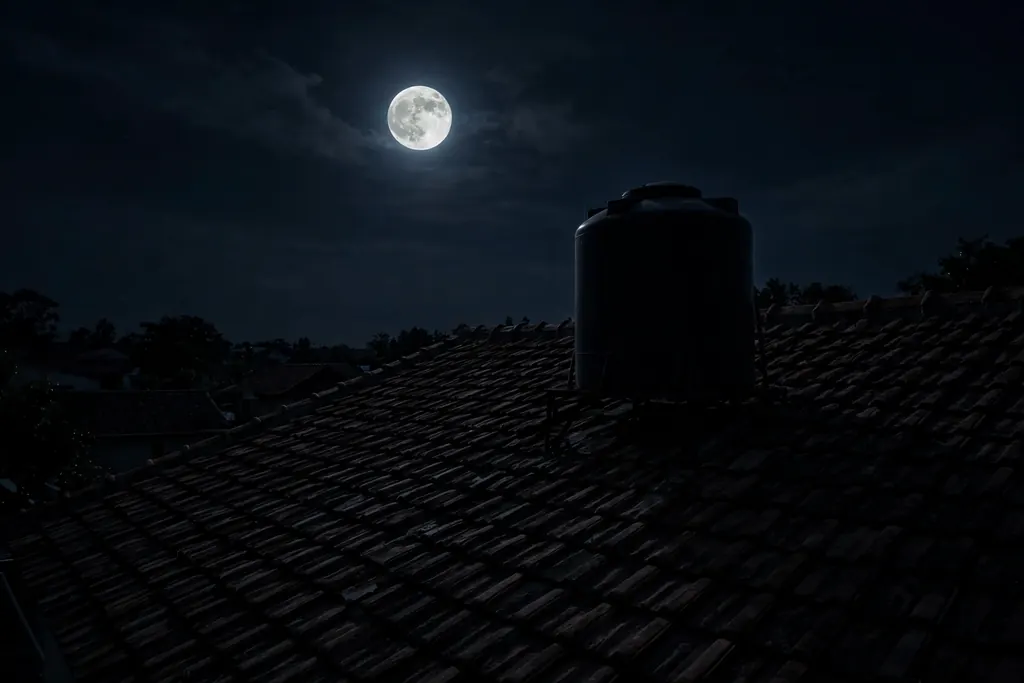
In several folk traditions — from American ghost lore to South Asian beliefs about restless spirits — unexplained rolling, tapping, or dragging sounds at night are read as signs of a presence: a playful entity, an ancestor trying to get attention, or energy stuck in the house. Some traditions treat it as harmless mischief; others as a warning.
Here’s the grounded take: there is no verifiable evidence linking these sounds to spirits, and treating an ordinary structural sound as a haunting can create real anxiety. That said, beliefs deserve respect — if the sound genuinely frightens you, folk remedies (smudging with sage, sprinkling salt water in corners, a protective prayer) are harmless and often help people feel in control again. Just don’t skip the attic inspection: peace of mind is better when it’s built on facts.
Marble-rolling sound vs other night noises: how to tell them apart

Not every night sound is the same phenomenon. A quick comparison helps you narrow it down:
- Rolling marble (short roll, then stop): classic thermal contraction or a loose object shifting. Usually one or two rolls, then silence.
- Scurrying or scratching: almost always animals. Scratching plus the rolling sound together strongly suggests rats or squirrels.
- Steady dripping or ticking: plumbing — pipes contracting or a slow leak. Check bathrooms above the sound.
- Heavy thumps or dragging: larger animals (raccoons, possums) or structural shifting in wind.
- Knocking in patterns of three: folk lore loves this one, but loose shutters banging in wind produce rhythmic knocks too.
Timing is your best clue: sounds starting 1–3 hours after sunset and fading by midnight point to cooling materials. Sounds continuing all night point to animals.
How to investigate the sound step by step

- Note the pattern: For three nights, log the time, duration, and weather. Thermal sounds track temperature drops; animal sounds don’t care about weather.
- Check the attic in daylight: Look for droppings, nesting material, gnaw marks, and entry gaps. Bring a flashlight and look at the underside of the roof where you heard the sound.
- Inspect the roof surface: Loose flashing, popped nails, or a rolling piece of debris (an actual marble-sized stone or a loose screw) are common finds.
- Listen from outside: Stand outside at the time the sound usually occurs. If it’s clearly structural, you’ll often hear the exterior version of it.
- Test the pipe theory: run hot water in the evening, then listen. If the sound follows hot-water use, case solved.
- Call a professional if needed: a roofer for structural sounds, pest control for animals — both routine, inexpensive visits.
Marble rolling on roof at night: when should you actually worry?

Worry about the house, not the haunting, in these cases — the unexplained sound of marble rolling on roof at night is occasionally an early warning of a real maintenance issue: the sound is getting louder over weeks (suggests something loosening), you see water stains on the ceiling (leak, not ghost), you find droppings or smell urine in the attic (infestation needs prompt action), or the sound comes with a burning smell (electrical — call an electrician immediately). If none of these apply and the sound is occasional and weather-linked, it’s a quirk of your house, not a threat. And if the sound still unsettles you after ruling out physical causes, there’s no shame in a cleansing ritual for peace of mind — the goal is sleeping well, whatever gets you there.
Related reads on strange nighttime experiences: goosebumps in a specific corner of the room, feeling watched while sleeping, and salt in room corners for negative energy. The physics behind these noises is explained well in this overview of thermal expansion.
People Also Ask
Why does it sound like marbles dropping on my ceiling at night?
The marble-dropping illusion comes from small, hard materials shifting suddenly — a popped roofing nail, a loose screw rolling in a gutter, or an acorn dropped by a squirrel in the attic. Hard surfaces and hollow ceilings amplify the sound, making a tiny object sound like it’s rolling across your room.
Can temperature changes really make noises that loud?
Yes. A long metal roof sheet can move a fraction of an inch as it cools, and when a stuck joint suddenly releases, the snap resonates through the whole structure. Homeowners routinely mistake it for footsteps. It’s most noticeable on the first cold nights of autumn.
What animal sounds like marbles rolling in the attic?
Squirrels are the top match — their quick, light movements across plywood sound like rolling marbles. Rats produce a similar effect at night. Even a large insect moving inside a wall void can sound like a faint rolling click.
Should I call a priest or a pest control expert first?
Call the practical expert first — a roofer or pest control professional. They resolve the large majority of cases in a single visit. If the sound continues after a clean inspection and it still troubles you, then consider whatever spiritual or cleansing practice brings you comfort.
Frequently Asked Questions
Q: What causes the sound of marbles rolling on the roof at night?
A: The most common causes are physical: roof materials and nails contracting as temperatures drop (thermal expansion), water pipes cooling, or small animals like squirrels and rats moving in the attic. These sounds peak at night because the house is quiet and cooling fastest after sunset.
Q: Is hearing marble sounds on the roof a bad spiritual sign?
A: In some folk traditions, unexplained rolling or tapping sounds at night are linked to restless spirits or playful entities. There is no evidence for this. Most cases turn out to have ordinary structural or animal causes once investigated properly.
Q: Why do I only hear the marble sound at night and not during the day?
A: Two reasons: first, ambient noise drops sharply at night, so faint sounds become audible. Second, roofs cool fastest in the first hours after sunset, which is exactly when thermal contraction noises peak. Nocturnal animals are also most active after dark.
This article presents traditional beliefs and folklore for informational purposes only, not as proven fact. If you experience persistent distress, please consult a qualified professional.