You glance across a crowded street and freeze. Someone with your face, your walk, your hair is staring back. Seeing your doppelganger — your exact double — is one of the most unsettling experiences possible. Folklore calls it an omen of death. Science calls it genetics and brain shortcuts.
Last updated: 23 October 2026
- “Doppelgänger” is German for “double-walker”; the death-omen belief dates to 18th-century folklore.
- A 2015 Australian study put identical facial features at less than 1 in a trillion — but convincing lookalikes are far more common.
- A 2022 Spanish study found unrelated lookalikes share DNA markers for facial structure.
- Abraham Lincoln reportedly saw his double in a mirror in 1860; he was assassinated in 1865.
- Poet Percy Shelley saw his double days before drowning in 1822.
What is a doppelganger? A doppelganger is an exact double of a living person — either a real lookalike stranger or, in folklore and some medical cases, an apparition-like copy of yourself.
What does seeing your doppelganger mean in folklore?
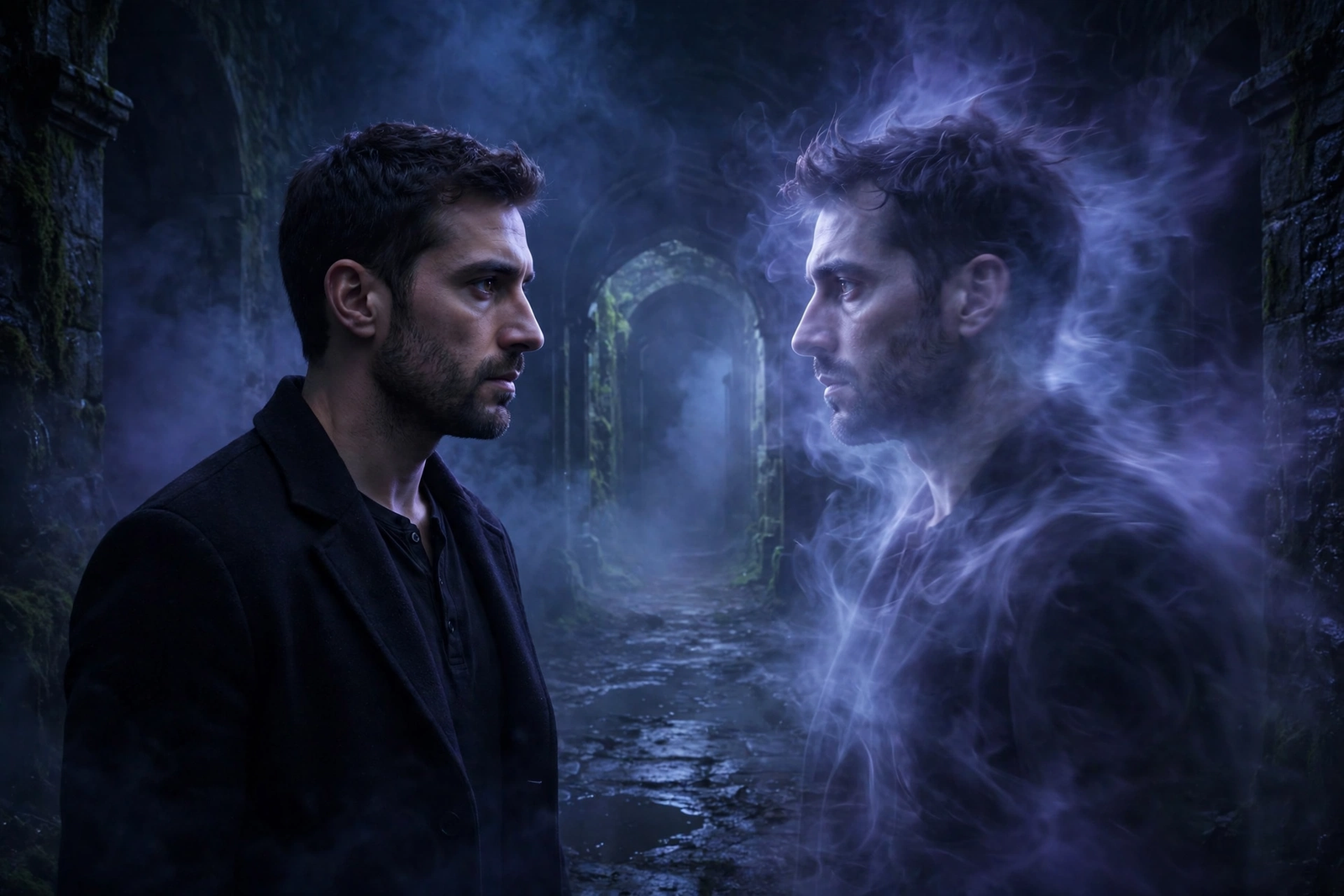
The direct answer: in German folklore, where the word originates, meeting your double meant you would die — some versions said the same day, others that it depended on how close you stood. The advice was to run. The belief spread through 18th and 19th-century literature — Edgar Allan Poe’s “William Wilson” (1839) features a narrator haunted by his exact double — and hardened into a rule: your double is your death, walking.
Variations appear worldwide. Some traditions say the double has no reflection and casts no shadow. Others hold that seeing a loved one’s double means they are in danger. None of this has evidence behind it, but the consistency across cultures is striking — humans everywhere find the sight of themselves from the outside deeply wrong.
What are the most famous doppelganger stories?
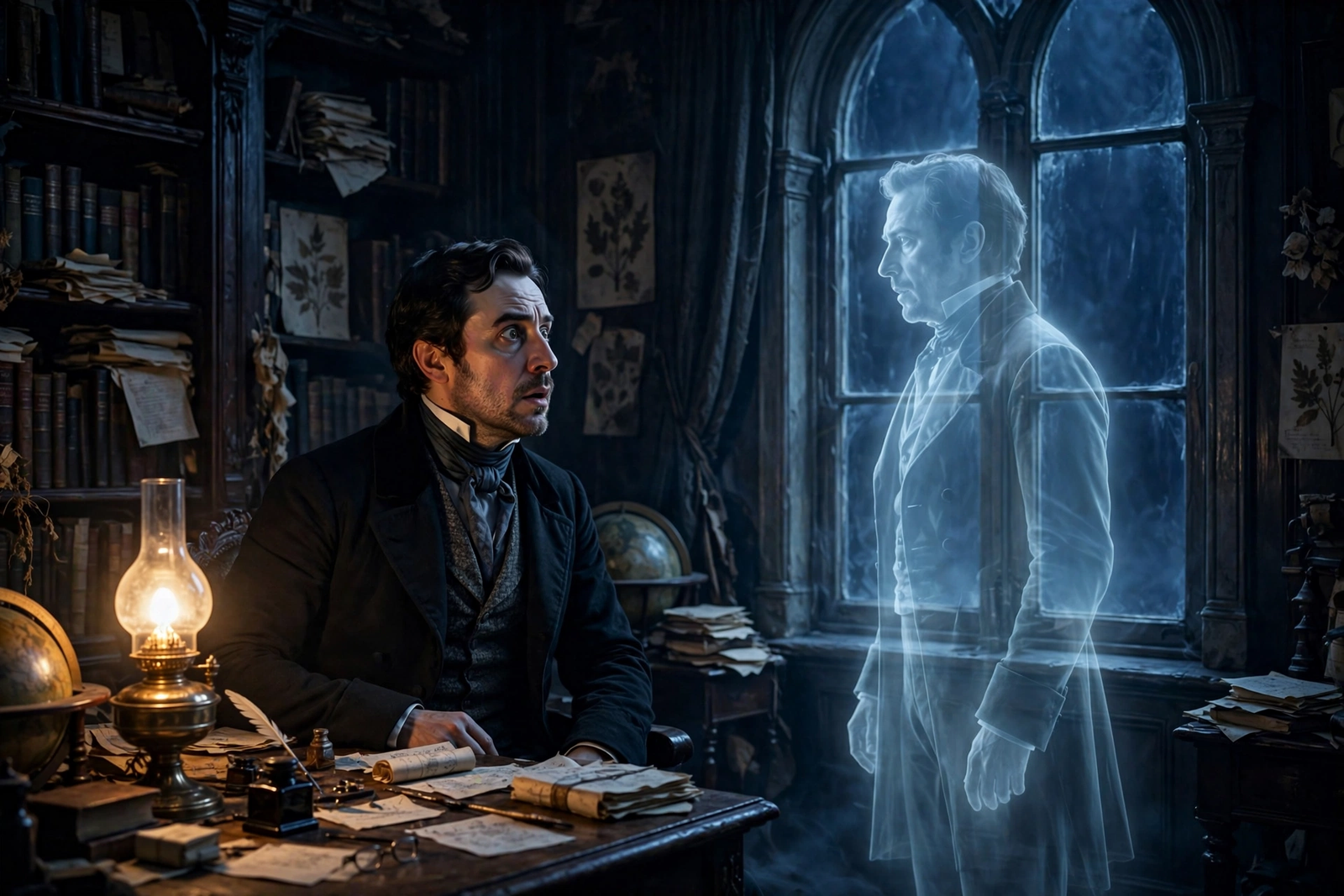
History’s most retold cases all end in death — which is exactly why skeptics urge caution about them:
- Abraham Lincoln (1860). Lincoln reportedly told his wife he saw two faces in a mirror — one his own, one ghastly pale. Mary Todd Lincoln took it as an omen: reelection, but not survival. He was assassinated in 1865, early in his second term.
- Catherine the Great (1796). Servants claimed to see the Empress’s double calmly seated on the throne while she slept. Woken and shown the apparition, Catherine reportedly ordered it shot. She died of a stroke about two weeks later.
- Percy Bysshe Shelley (1822). The poet told his wife he had seen his double several times; at the final sighting it asked whether he would ever be content. Days later his boat capsized in a storm and he drowned.
- Queen Elizabeth I (1603). Legend says she saw herself lying pale and sick in her bed — then fell ill and died in that very room.
Treat these as stories, not case files. Each was written down after the death, when the “omen” made a perfect narrative. That’s survivorship bias doing its quiet work — nobody records the thousands of eerie coincidences that precede nothing at all.
What does science say about seeing your doppelganger?
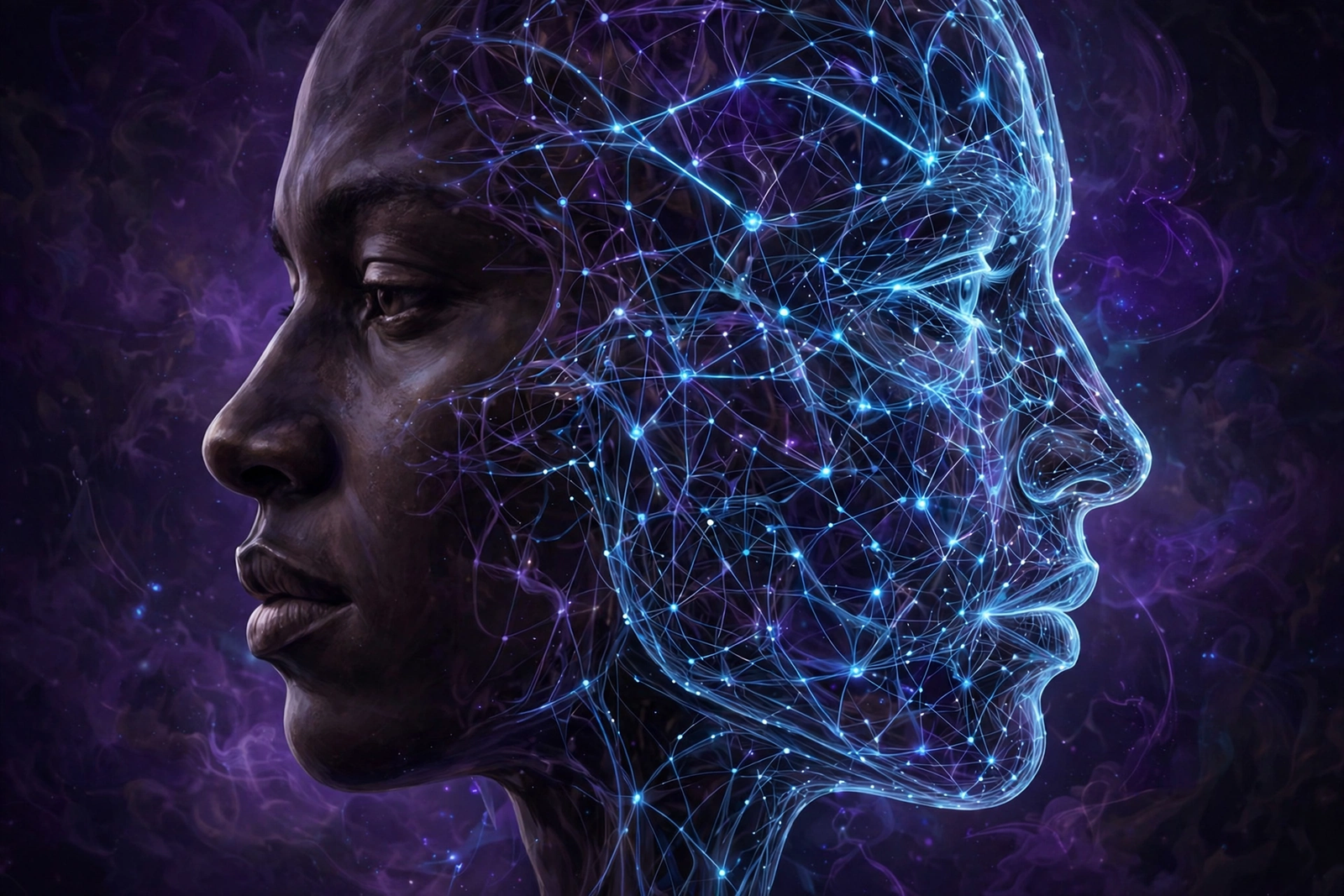
The direct answer: real lookalikes are a numbers game plus brain shortcuts. With 8 billion people, the 2015 Australian estimate — less than one in a trillion for exact features — still leaves room for millions of convincing near-matches. The 2022 Spanish study led by geneticist Manel Esteller went further: unrelated lookalikes share key DNA markers governing facial structure, plus traits like height. Nature reuses blueprints.
Then there’s your brain. Humans read faces as whole patterns at a glance, not nose-plus-eyes-plus-jaw. Psychologists call the failure mode misidentification: a few matching features (hair, jawline, skin tone) and your brain fills in the rest, manufacturing a stronger resemblance than exists. Add pareidolia — our mania for finding faces and patterns — and “I saw my double” becomes one of the most natural mistakes a brain can make. Our Mandela Effect examples explore more confident-but-wrong memories.
What is heautoscopy — the medical double?
Sometimes the double isn’t a stranger at all, but an apparition-like copy of yourself that isn’t physically there. Neurologists call this heautoscopy: hallucinating a visual double of your own body. The BBC reported a case of a man who saw himself standing at the foot of his bed during seizures; after surgeons removed a brain tumor, the seizures and the double vanished.
Heautoscopy is rare and linked to migraines, epilepsy, and other neurological conditions — which is why a recurring apparition-double deserves a doctor’s visit, not a ghost hunter’s. A one-off sighting of a lookalike stranger needs nothing but a good story. The distinction matters: folklore treats every double as an omen, medicine treats only the persistent hallucinatory kind as a symptom.
Doppelganger, twin stranger, or lookalike?
| Term | What it is | Cause |
|---|---|---|
| Doppelganger | Apparition-like double (folklore/medical) | Legend, or heautoscopy |
| Twin stranger | Unrelated person who looks strikingly like you | Shared DNA markers, statistics |
| Lookalike | Someone resembling you or someone you know | Brain’s face-matching shortcuts |
Most “doppelganger” sightings are really twin-stranger encounters. Carl Jung had a psychological take too: he saw the double as the “shadow” — the unconscious self carrying repressed traits — which is why meeting yours feels like confronting something hidden. It’s a metaphor, not a diagnosis, but it captures the dread. For another take on meaningful coincidences, see twin flame signs.
What should you do if you see your doppelganger?
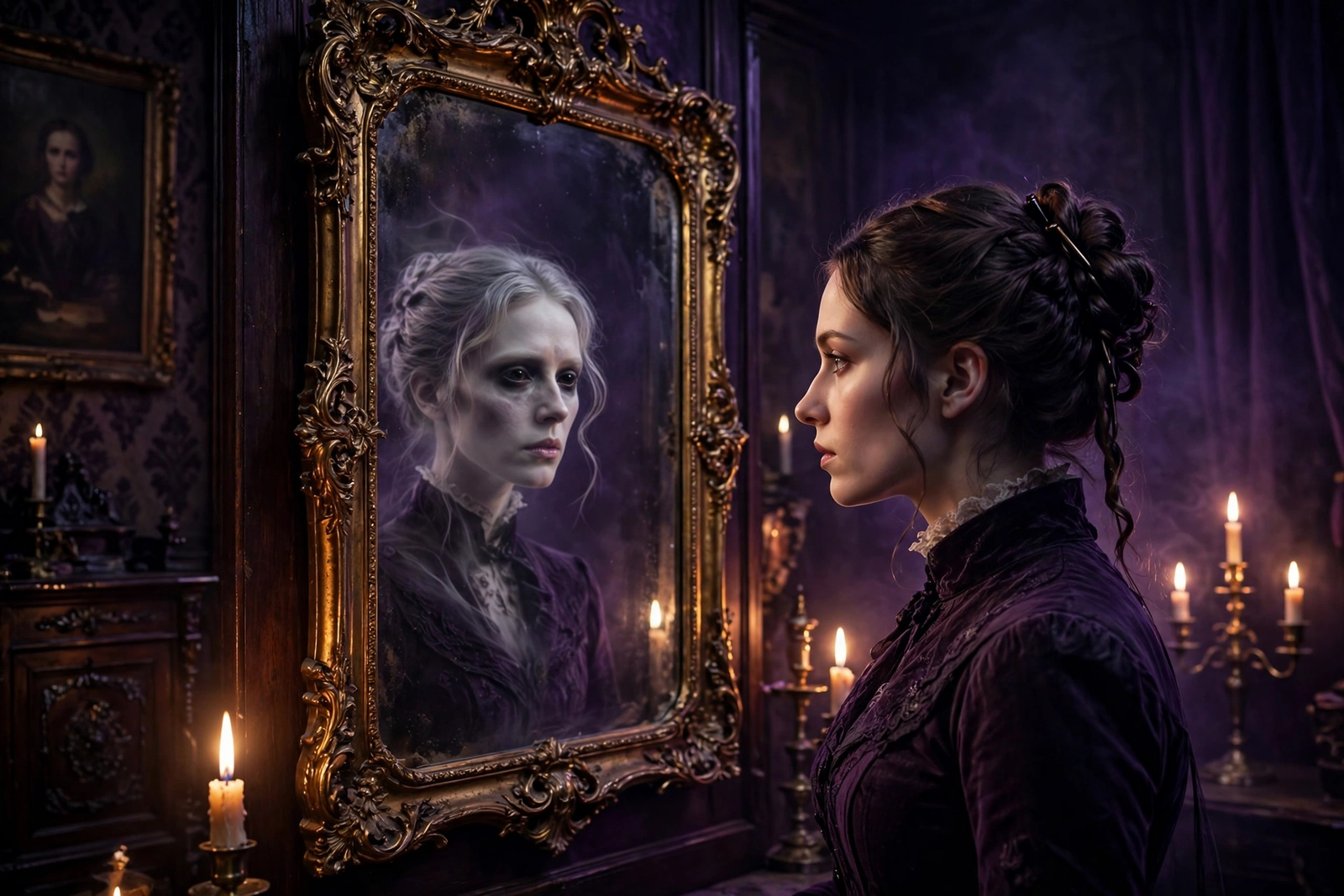
The practical answer depends on which kind you saw. A flesh-and-blood stranger who looks like you? Enjoy the story — photograph the moment if you can, and let go of the folklore. There’s no evidence it predicts anything.
But if you repeatedly see a translucent, apparition-like copy of yourself — especially with headaches, seizures, or visual disturbances — book a medical check. Heautoscopy is a recognized neurological phenomenon, and it can be the visible tip of something treatable. Folklore says run from your double; medicine says get it examined. Further reading: the doppelgänger in folklore and psychology.
People also ask
What does it mean when you see your doppelganger?
Folklore says it’s an omen of death — German tradition held that meeting your double meant you would die soon. Science points elsewhere: genetic lookalikes are statistically likely, and the brain’s face-recognition shortcuts manufacture false matches. A persistent apparition-like double is different — that’s heautoscopy, worth a medical check.
Is seeing your doppelganger a bad omen?
By folklore’s rules, yes — stories attach the omen to Lincoln, Catherine the Great, and Shelley. But there’s no evidence a lookalike causes harm, and the famous cases were all recorded after the deaths, when the “omen” made a perfect story. The fear is real; the danger isn’t.
What is the science behind doppelgangers?
A 2015 Australian study estimated identical facial features at less than one in a trillion — yet convincing lookalikes are common. A 2022 Spanish study found unrelated lookalikes share DNA markers for facial structure. Your brain also cheats: it reads faces as whole patterns, not feature by feature, creating false doubles.
What should you do if you see your doppelganger?
For a lookalike stranger: nothing — it’s a curiosity, not a danger. For a recurring apparition-like copy of yourself, especially with headaches or seizures: see a doctor promptly. Heautoscopy can signal migraines, epilepsy, or other treatable neurological conditions.
More Mind Mysteries stories
- 12 Mandela Effect Examples That Will Confuse You
- Angel Numbers 111, 222, 333, 444: Meanings Explained
- Twin Flame Signs: 12 Ways You Know You’ve Met Yours
This article presents traditional beliefs and folklore for informational purposes only, not as proven fact. If you experience persistent distress, please consult a qualified professional.