
Last updated: October 20, 2026
Have you met someone and felt an instant, almost unsettling recognition — like you’ve known them forever? In new-age spirituality, that has a name: a twin flame. Believers say twin flames are two halves of one soul, and meeting yours triggers the most intense relationship of your life. Here are the 12 signs people point to, how the concept differs from a soulmate, and — just as important — how to tell when it isn’t a twin flame at all.
- The idea: one soul split into two bodies; you have only one twin flame but can have many soulmates
- Popularized by: Elizabeth Clare Prophet’s book Soul Mates and Twin Flames (1999)
- Ancient root: Plato’s Symposium (~385 BCE), where Aristophanes describes humans as split beings searching for their other half
- Commonly described stages: 8 — from yearning and meeting to crisis, separation, and reunion
- The hard part: the “runner-chaser” phase, where one partner withdraws and the other pursues
- Status: a spiritual belief, not a scientific finding — psychologists link the signs to limerence and confirmation bias
What is a twin flame?
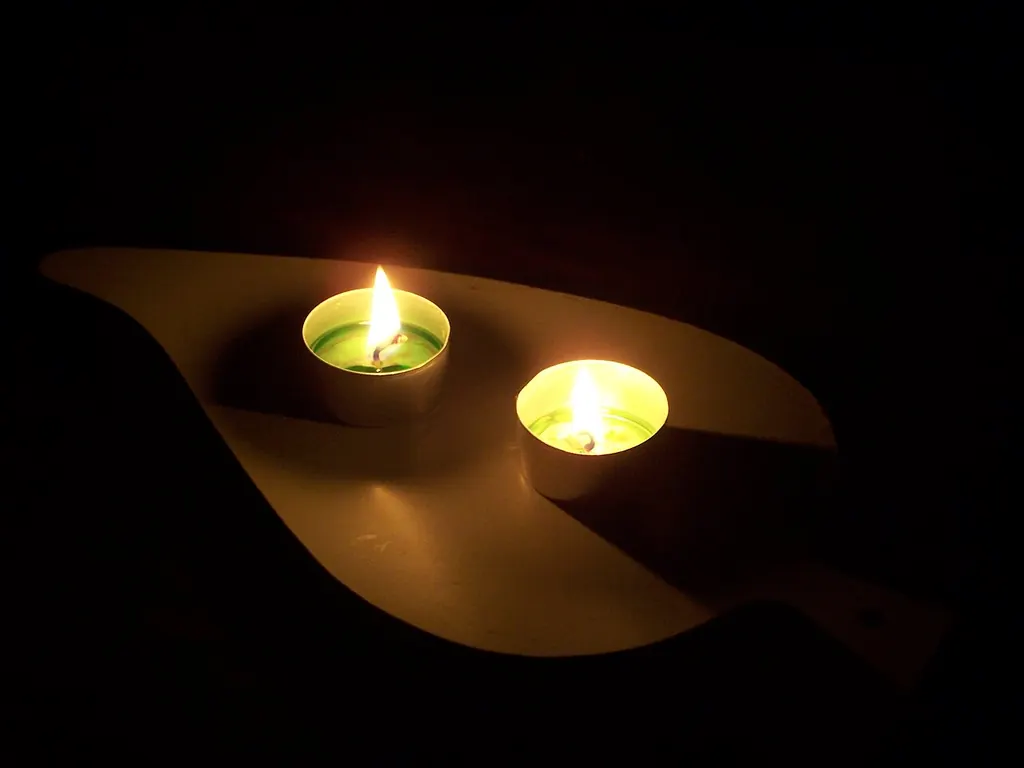
A twin flame is described as the other half of your soul — one soul expressing itself through two people. Where a soulmate feels like home (comfortable, easy), a twin flame feels like a mirror: thrilling, confronting, impossible to ignore. Teachers say the meeting acts as a catalyst — it cracks you open and forces growth, whether the relationship lasts or not. The core distinction: soulmates comfort you, twin flames transform you. If you’re navigating intense connections, many readers also explore spiritual protection rituals for the home.
What are the signs you’ve met your twin flame?

These are the 12 signs most commonly listed. Believers say you don’t need all twelve — but the more that land, the stronger the case.
1. Instant, deep recognition
“I know you from somewhere” — except you don’t. It feels like reunion, not introduction.
2. You’ve “known them forever”
Comfort arrives absurdly fast, as if no warm-up period exists. You’re very similar in ways that feel uncanny — same quirks, same wounds, same weird habits.
3. Magnetic pull
A physical, almost gravitational draw that logic can’t talk you out of. They feel magnetic even across a crowded room.
4. Mirroring — including your insecurities
They reflect your best qualities — and your unhealed wounds. Your insecurities and doubts get amplified, not soothed. Thrilling and triggering at once.
5. Synchronicities pile up
Repeating numbers (111, 222), shared dreams, impossible coincidences — read by believers as confirmation that the connection is divine, not random.
6. You “just know”
A hard-to-shake certainty that this person was supposed to enter your life.
7. An almost psychic connection
Telepathic-like understanding: finishing sentences, sensing moods from a distance, dreaming the same dreams.
8. Rapid growth — they push you to be better
Old patterns shed faster than ever — willing or not. They push you to be and do better, which is inspiring until it isn’t.
9. Emotional extremes
Euphoric highs, devastating lows, sometimes in the same week. The relationship is tumultuous by nature — intensity is the point, and the problem.
10. Push-pull: the runner and the chaser
Closeness, then one pulls away — the “runner-chaser” phase — then reunion. You complement each other so completely that separation feels physically wrong.
11. You can’t stay away
Breakups don’t stick; something pulls you back. You keep coming back together no matter how many times it ends.
12. Shared mission
A sense you’re meant to do something together — beyond just being a couple. Your connection feels divine, like it has a purpose larger than romance.
Twin flame vs soulmate: what’s the difference?

People mix these up constantly:
| Twin flame | Soulmate | |
|---|---|---|
| How many | One | Many across a lifetime |
| Core feeling | Intensity, recognition, transformation | Comfort, ease, deep friendship |
| Effect on you | Mirrors your wounds; forces growth | Accepts you as you are |
| Typical pattern | Push-pull, runner-chaser, separations | Steady, harmonious |
| Purpose (in the lore) | Spiritual awakening | Companionship and mutual support |
Notice the trade-off the tradition admits: the twin flame path is harder. Mostly peaceful and supportive? The lore would call that a soulmate — which is what most people actually want.
What are the stages of a twin flame journey?

Teachers commonly map eight stages — a storyline, not a schedule:
1. Yearning — a sense that someone is missing, before you’ve met them. 2. Meeting — the recognition moment. 3. Honeymoon — blissful, all-consuming closeness. 4. Crisis — differences and wounds surface; the mirroring turns painful. 5. Runner-chaser — one withdraws (the runner), the other pursues (the chaser). 6. Surrender — both stop forcing the outcome. 7. Reunion — coming back together, steadier. 8. Oneness — the bond stabilizes into its final form. Many connections, believers admit, never get past stage 5.
| Stage | What happens | What it feels like |
|---|---|---|
| 1. Yearning | A sense someone is missing | Restlessness, longing without a target |
| 2. Meeting | Instant recognition | “Where have you been all my life?” |
| 3. Honeymoon | All-consuming closeness | Euphoria, inseparability |
| 4. Crisis | Wounds surface | Conflict, triggering, doubt |
| 5. Runner-chaser | One withdraws, one pursues | Anxiety, longing, instability |
| 6. Surrender | Both stop forcing it | Calm, acceptance |
| 7. Reunion | Coming back together | Steadier, clearer love |
| 8. Oneness | Stable union | Peace, shared purpose |
How do you know it’s NOT a twin flame?

This is the section most twin flame content skips — and the one that matters most. The same “signs” also describe limerence, trauma bonds, and intense chemistry. Red flags it’s not spiritual:
- It’s one-sided. You’re consumed; they’re casual. A “runner” who never returns isn’t on a journey — they’re just not that into you.
- There’s control or cruelty. No spiritual framework justifies manipulation, gaslighting, or abuse. Ever.
- You’re abandoning yourself. If “growth” means shrinking your life, friendships, and boundaries, that’s not awakening.
- Only you see the signs. When every coincidence needs elaborate interpretation to count, confirmation bias is doing the work.
A useful rule: a real connection — twin flame or not — makes your life bigger over time, not smaller. If you’re feeling drained, clearing heavy energy from your space can help you think clearly, but no ritual fixes a bad relationship. That takes boundaries, and sometimes leaving.
| What you’re experiencing | More likely a twin-flame sign | More likely a red flag |
|---|---|---|
| Intense connection | Mutual, acknowledged by both | One-sided obsession |
| Push-pull pattern | Both grow during separations | Cycle of cruelty and apology |
| Feeling “triggered” | Prompts self-reflection | Used to excuse bad behavior |
| Synchronicities | Noticed lightly, held loosely | Needed desperately as “proof” |
| Growth | Life gets bigger | Life gets smaller |
What should you do after meeting your twin flame?
Believers advise: don’t chase. Work on yourself — the lore says the connection mirrors your inner state, so your growth is the relationship work. Journal the synchronicities instead of acting on all of them, and keep your friendships and routines. The tradition itself says separation phases are normal, so urgency is the one thing you don’t need. If the intensity tips into anxiety or obsession, talk to a counselor — a spiritual label doesn’t make emotional distress less real.
Can your twin flame be a friend or family member?
Most teachers say yes — the bond isn’t inherently romantic. It can be an intense friendship or family tie. The mirroring defines it, not the label.
Do both twin flames feel the connection?
Believers say yes, though not always at the same time — which creates the runner-chaser pattern. Skeptics call this convenient: asymmetry gets relabeled as a “stage.”
What does 111 mean for twin flames?
Seeing 111 or 11:11 is read as alignment — confirmation you’re on the right path or near reunion. One of the lore’s most cited synchronicities.
How long does the runner-chaser stage last?
The lore gives no timeline. Teachers say it ends when both stop trying to control the outcome. Years of one-sided waiting deserves an honest reassessment.
Frequently Asked Questions
Q: What are the first signs you’ve met your twin flame?
A: Instant recognition, magnetic pull, and intense mirroring — the feeling of “I know you” within moments, plus a connection that feels fated.
Q: Can you have more than one twin flame?
A: In the lore, no — one twin flame, many soulmates. That’s the tradition’s core distinction.
Q: Is a twin flame relationship always romantic?
A: Not necessarily. The mirroring and transformation define it, not romance — it can be friendship or family.
Q: What does science say about twin flames?
A: It’s not a scientific concept. The signs overlap with limerence, attachment intensity, and confirmation bias.
More new age stories
- How to Remove Evil Eye at Home Instantly: 7 Methods
- How to Make Spiritual Protection Spray at Home
- Black Tourmaline for Protection: Meaning, Benefits & How to Use
Written by the NegativeVibeFix team. This article presents traditional beliefs and folklore for informational purposes only, not as proven fact. If you experience persistent distress, please consult a qualified professional.