
The day the moving truck finally pulls away, you expect relief. Instead, learning how to reset energy in apartment after noisy neighbors leave becomes a real question — because weeks of parties, bass thumping through the wall, and arguments next door seem to have soaked into the place. The rooms look the same, the noise is gone, but something still feels off. Your shoulders stay tight at 11 PM. You catch yourself listening for sounds that aren’t there anymore.
You’re not imagining it, and you’re not the only one who feels it. This guide walks you through a practical, step-by-step reset: deep cleaning, smoke cleansing, sound, salt, light, and a short intention-setting routine that gives your home a clear fresh start.
Why does my apartment still feel tense after noisy neighbors move out?
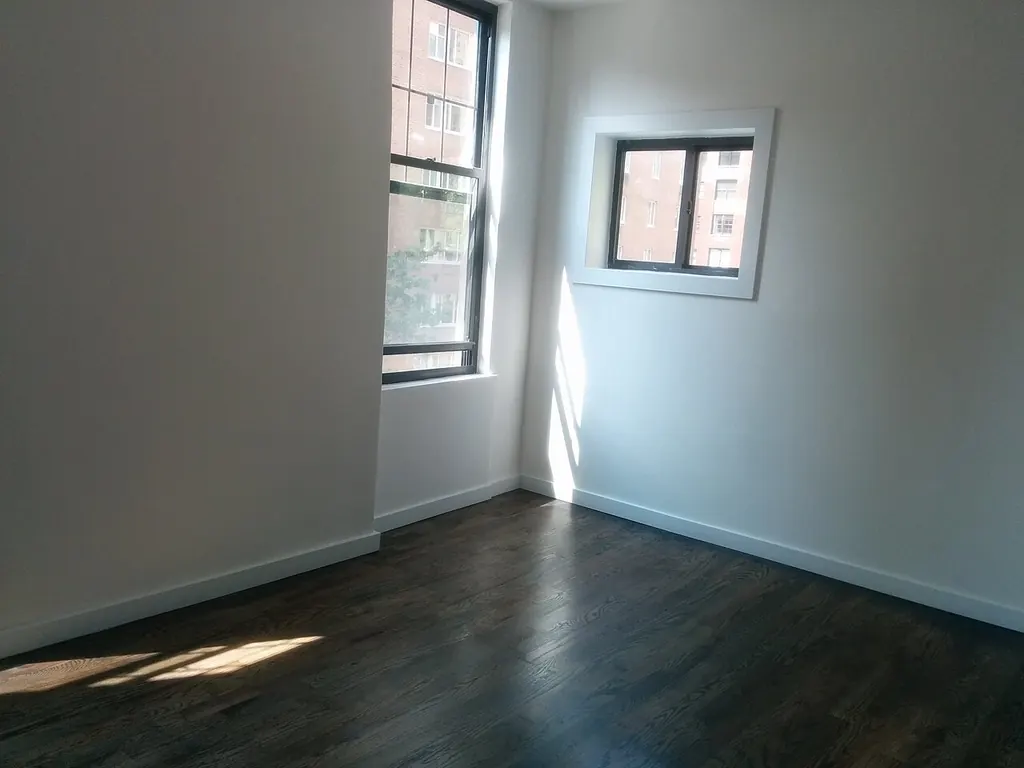
It feels tense because your nervous system was trained in that apartment to stay on guard. Months of unpredictable noise teach your body to brace — for the next slam, the next shout, the next bass line at 1 AM. That reflex doesn’t retire the day the lease ends and the unit goes quiet.
Psychology calls this conditioned stress: your brain paired the physical space with threat, so the walls themselves became a cue. Walking into your living room still triggers low-level alertness even when nothing is happening. This is well documented — research on stress and the environment shows that prolonged noise exposure raises baseline stress, and the body needs time to stand down.
Traditional practices describe the same experience in different language: “residual energy,” stale vibes, heaviness left behind by other people’s chaos. Whether you read it as folklore or psychology, the fix is the same — change the sensory signals in the space so your body learns the apartment is safe and calm now.
What does “resetting apartment energy” actually mean?
It means deliberately changing what your senses pick up in the space so it stops feeling like the old situation. That’s it. Nothing mystical is required.
Two views describe the same job:
- Tradition’s version: Loud, aggressive people leave “residual energy” — a heavy, stagnant quality clinging to corners, doorways, and walls. Cleansing practices (smoke, salt, sound, intention) sweep it out so the space feels neutral again.
- Psychology’s version: You formed stress associations with the room. Cleaning, reordering furniture, changing light, and filling the room with new sounds rewrite those associations. Same outcome, different vocabulary.
You don’t have to choose a side. The ritual below works either way, because the steps change what you see, hear, smell, and touch — and those inputs are what convince your nervous system that the noisy-neighbor era is over. If your home has that specific weighed-down feeling, reading about signs a home feels energetically heavy can help you pinpoint which rooms need the most attention.
How to reset energy in apartment after noisy neighbors leave: the deep clean

Always start with a real, physical clean. Traditions insist on it — stale energy clings to dust and clutter — and so does common sense. Months of stress make most people avoid deep cleaning, so the apartment collects grime in exactly the corners that already feel worst.
Work room by room and don’t rush it:
- Dust and wipe high and low: Ceiling fan blades, shelves, baseboards, window sills. These are the surfaces you stare at when you’re lying awake; make them clean.
- Wash textiles: Curtains, cushion covers, bed linens, rugs. Fabrics hold odors — cigarette smoke from the neighbor’s balcony drifting through, cooking smells — and smells are one of the strongest memory triggers.
- Mop hard floors with salt water: A classic folk remedy: a handful of coarse sea salt dissolved in a bucket of warm water for mopping. Ordinary cleaning removes the dirt; the salt is there for the symbolic “cutting” of old associations. Rinse with plain water after.
- Declutter surfaces: Stress makes clutter invisible to its owner. Clear counters, tables, and entryways completely, wipe them, then put back only what belongs.
- Take out everything trash-like: Expired items, broken things you kept “just in case,” junk drawers. A space you shed weight from feels lighter because it is lighter.
If you’ve done a salt cleanse of a room before, you know the routine is half practical and half ceremonial — the full guide to cleansing a room with salt covers techniques like salt corners and doorway lines that fit naturally into this step.
Can smoke really clear the tension out of an apartment?

Smoke cleansing — burning dried sage, palo santo, or incense while walking through each room — is one of the oldest house-clearing rituals on record, and many people report that a space feels calmer and fresher afterward. The honest explanation is twofold: the scent itself is a powerful sensory reset, and the slow, deliberate walk-through forces you to acknowledge every room as yours again.
If you want to try it, do it safely:
- Ventilate: Crack at least one window in every room before you light anything. Smoke needs somewhere to go, and fresh air is half the point.
- Use a fireproof dish: Hold the bundle over a ceramic bowl or metal tray. Never set burning material down unattended, and keep it away from curtains, papers, and smoke detectors you don’t want to trigger.
- Check your lease and alarms first: Many apartment buildings ban indoor burning outright, and a triggered fire alarm will undo all the calm you’re building. If smoke isn’t allowed, skip it — sage or lavender sprays, a diffuser with cedarwood or eucalyptus oil, or simply simmering citrus peels and rosemary on the stove give you the same sensory reset without the flame.
- Walk with intention: Move slowly room to room, pausing in doorways and corners. The traditional instruction is to let the smoke touch the edges of the space — symbolically reaching the places the tension pooled.
No special chanting is required. A plain sentence said out loud — “This is my calm space now” — does the job of marking the moment as a boundary between the old situation and the new one.
How do you use sound to reset apartment energy after noisy neighbors leave?
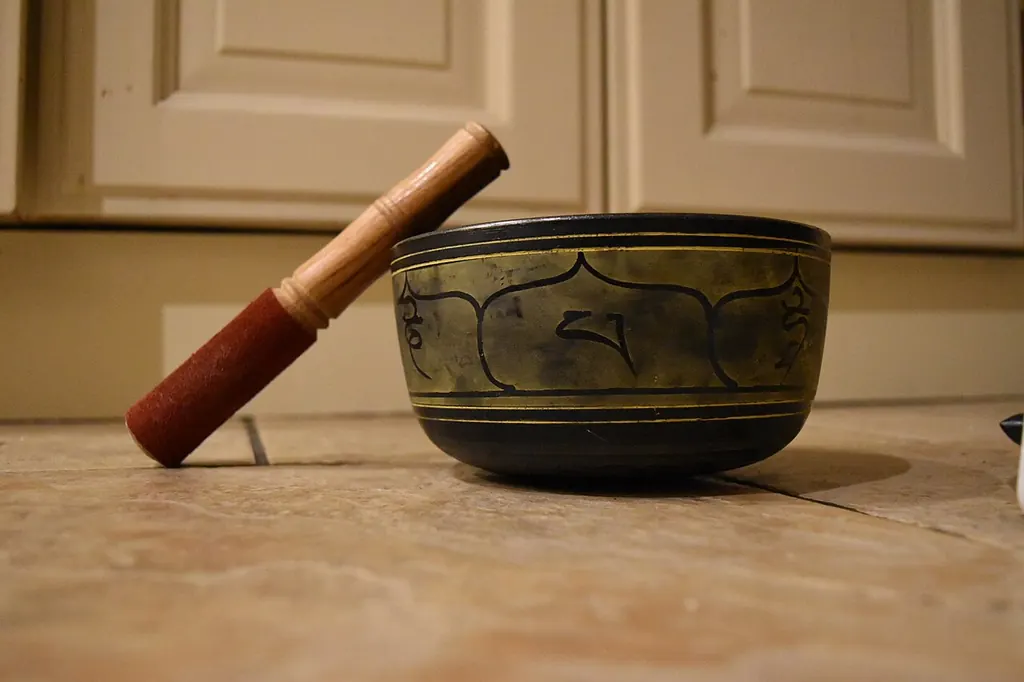
This one matters more than people expect. Your ears are what the neighbors hijacked, so sound is how you take the space back. Tradition holds that sharp, clear sounds “break up” stagnant energy; practically, new sounds overwrite the old ones your brain is still listening for.
Pick whichever of these fits your style:
- Clapping: Stand in each corner of a room and clap loudly six to eight times, moving toward the center. Corner by corner, it takes two minutes per room and it genuinely feels different afterward.
- Bells or singing bowls: Walk the perimeter of each room ringing a bell or striking a bowl. The long, clean tone is the opposite of the noise you lived with — and your brain registers the contrast.
- Your own music, loud: Play something you love at a healthy volume for twenty minutes with the windows open. This is the most direct reclaiming ritual there is: you choosing the sound in your apartment, on purpose.
- Your voice: Sing in the shower. Hum while you clean. Talk to the empty rooms if it helps — “they’re gone, it’s quiet now.” Hearing your own calm voice in the space retrains the association faster than you’d think.
Do this before you settle into the apartment for the evening. Evening is when the phantom-listening habit is strongest, so a daytime sound reset arms you for the hours that used to be the worst.
What about salt bowls, light, and rearranging furniture?
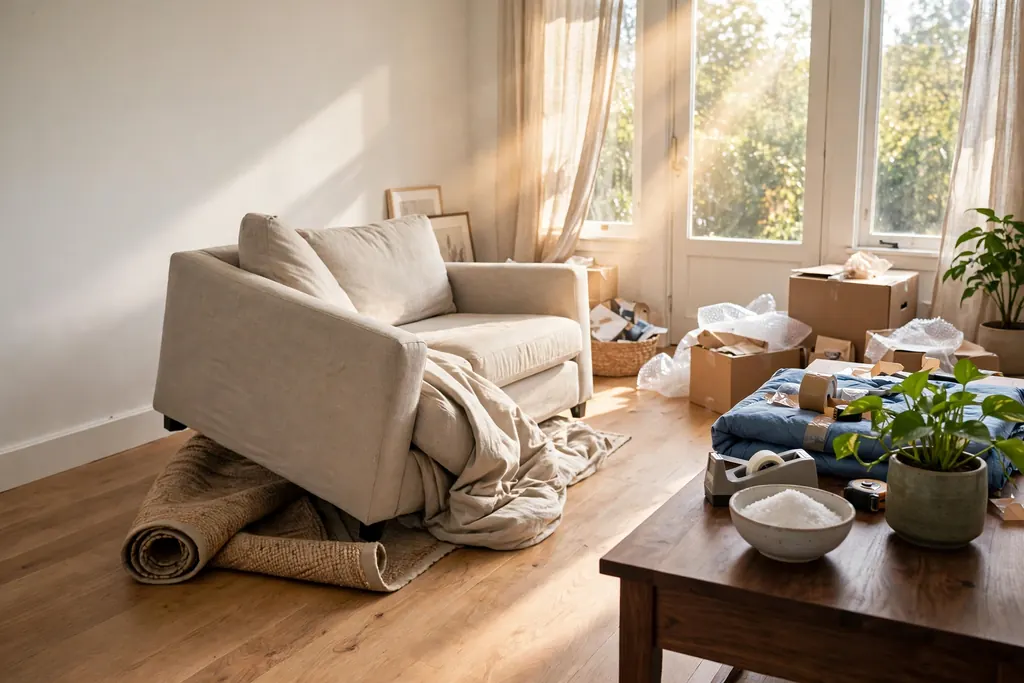
These three are the quiet workhorses of the reset. None is dramatic, and together they change the apartment more than anything else.
Salt bowls: Place a small bowl of coarse sea salt in the corners of rooms that feel heaviest — folk tradition says salt “absorbs” lingering heaviness. Leave it for 24 to 48 hours, then throw the salt away (never reuse it) and replace it if the room still feels off. Think of it as a marker of attention: the bowl reminds you this corner got its reset.
Light and air: Open every curtain and blind during the day. Daylight changes how a room reads — the same walls that felt oppressive at night look ordinary in sunshine. Open windows on opposite sides of the apartment for ten minutes of cross-ventilation, even in winter; stale air and stale feelings travel together. If a room is chronically dim, move a lamp into it. Light is a mood intervention with no side effects.
Rearrange furniture: This is the single most effective step for breaking conditioned stress. Your body associates specific sight lines with specific bad nights — the couch angle where you heard the shouting through the wall, the bed position where you lay awake. Move things. Swap the couch and armchair. Rotate the bed if the layout allows. Even shifting a rug and changing the art on one wall disrupts the visual pattern your stress was attached to.
Don’t underestimate small moves. One reader moved only her desk and nightstand and reported sleeping through the night for the first time in a year. The change doesn’t need to be big — it needs to be yours, chosen on purpose, in a space where someone else’s noise used to call the shots.
Can a 30-minute intention ritual finish the reset?
Yes — and it’s the step that ties everything together. Once the apartment is clean, aired, sounded, and rearranged, sit down in the middle of your main room and do a short closing ritual. This is the moment your brain files the noisy-neighbor era as finished.
Here’s a simple version that takes about thirty minutes:
- Minutes 1–5 — Sit and breathe. Sit on the floor or a cushion. Five slow breaths. Notice the quiet. Let yourself actually hear it — no bass, no shouting, just your apartment being still.
- Minutes 6–10 — Name it. Say out loud, plainly, what you’re done with: “The noise is gone. The stress of those months is over.” Hearing it in your own voice in this room matters more than the exact words.
- Minutes 11–20 — Walk the rooms. Stand in each room for a minute. Notice what changed — the clean surfaces, the moved furniture, the light. Touch a wall or doorframe if that feels natural. This is you re-claiming the space room by room.
- Minutes 21–30 — Set the tone forward. Do one thing that is purely about the apartment’s future: light a candle you like, put on a playlist, cook something that smells good, or invite a friend over. Give the space a new first memory.
The same kind of deliberate reset works on objects that carry other people’s history too — if secondhand furniture or packages arrived during the stressful stretch, the approach in clearing energy from used items bought online applies to anything pre-owned sitting in your rooms.
People Also Ask
How to reset energy in apartment after noisy neighbors leave quickly?
Open all windows for cross-ventilation, clap through each corner of every room, rearrange at least one piece of furniture, and play your own music for twenty minutes. This four-step pass takes about half an hour and handles the heaviest-feeling part of the reset for most people.
Can negative energy from neighbors affect my sleep?
What most people call negative energy is really conditioned stress: your body learned to stay alert for noise in that space, which keeps you wired at bedtime. Traditions frame it as residual energy, but the fix is the same — clean, rearrange, reset the sounds, and give your nervous system a week or two of quiet nights to relearn.
Should I cleanse my apartment if the neighbors were just loud, not harmful?
Yes, if the place still feels tense to you. You don’t need a dramatic story to justify a reset — months of disrupted sleep and frayed nerves are reason enough. A simple clean, fresh air, sound clearing, and rearranged furniture cost nothing and make the apartment feel like yours again.
What is the fastest way to make an apartment feel like mine again?
Rearrange the furniture and change the lighting. These two steps disrupt the visual patterns your stress attached itself to and immediately change how the space reads. Add your own music and scent, and the apartment stops feeling like the scene of the noise and starts feeling like home.
Frequently Asked Questions
How long does it take to reset the energy in an apartment after noisy neighbors leave?
Most people find that a single focused reset session of 30 to 60 minutes makes the apartment feel noticeably calmer. That said, if the noisy neighbors were there for years, give the space a week or two of small daily steps — opening windows, fresh light, and brief sound clearing — before expecting the rooms to feel fully neutral again.
Can I reset apartment energy without burning sage or incense?
Yes. Sound is one of the strongest alternatives: clap your hands in each corner of a room, ring a bell, or play upbeat music for twenty minutes. Open windows for cross-ventilation, rearrange a few pieces of furniture, and wipe down surfaces. These steps shift the sensory cues that keep the old tension alive.
Is it safe to burn sage in a small apartment?
It can be, with precautions. Keep a window open for ventilation, hold the bundle over a fireproof dish, never leave it burning unattended, and check your lease — many apartment buildings ban indoor burning. Smokeless alternatives like sage spray, essential oil diffusers, or sound cleansing work just as well if smoke isn’t an option.
Why do I still feel on edge in my apartment after the noisy neighbors moved out?
Your nervous system learned to stay alert in that space. Months of late-night noise trained your body to brace for the next disruption, and that reflex doesn’t switch off the day the apartment goes quiet. Traditions describe this as residual energy; psychology calls it conditioned stress. Cleaning, rearranging, and deliberate sensory resets both clear the room and retrain your response to it.
This article presents traditional beliefs and folklore for informational purposes only, not as proven fact. If you experience persistent distress, please consult a qualified professional.