Last updated: 8 November 2026
Searches for “the girl who played with the ouija board” jumped more than 3,400% in the United States this week. The phrase points to one case: a Madrid schoolgirl named Estefanía Gutiérrez Lázaro, whose death in 1991 became Spain’s most famous alleged haunting, the Vallecas case. It also inspired the horror film Verónica. This is what the records actually show, what her family says now, and where the film parts ways with real life.
Quick answer: The girl who played with the ouija board was Estefanía Gutiérrez Lázaro, a 17-year-old from Vallecas, Madrid. After a school séance in 1990, she suffered seizures and hallucinations and died on 14 July 1991. Spanish police later filed a report on strange events at her home, the only such police report in Spain.
Key stats
- 17 — Estefanía’s age when she died on 14 July 1991
- 1990 — the year of the school ouija board session, about a year before her death, according to her brothers
- 27 November 1992 — date of the police report, filed 16 months after her death
- 8 Calle Luis Marín — the Vallecas apartment where the reported events took place
- +3,400% — rise in US Google searches for “the girl who played with the ouija board” in November 2026
- 2017 — the year Paco Plaza’s film Verónica, based on the case, reached cinemas
Who was the girl who played with the ouija board?
Estefanía Gutiérrez Lázaro: the real woman who inspired Verónica
Estefanía Gutiérrez Lázaro lived with her parents and five siblings in a flat at 8 Calle Luis Marín, in Vallecas, a working-class district in the south of Madrid. By most accounts she was an ordinary teenager with a growing interest in the occult. Friends and family later said she read about spirits and liked talking about the paranormal, which was not unusual for a teenager in the early 1990s.
Nothing about her life suggested what came next. That is part of why the case stuck in Spain’s memory: the girl at the centre of it was not a medium, a cult member, or a runaway. She was a schoolgirl from a normal family, and the events that followed her death were witnessed, in part, by police officers.
What is the Vallecas case?
The Vallecas case, known in Spain as the Expediente Vallecas, is the name given to the events around Estefanía’s death and the strange reports from her family’s flat afterwards. It runs from the school séance in 1990 to a police visit on 27 November 1992. It is famous for one reason above all: it produced the only police report in Spain that documents alleged paranormal phenomena firsthand.
The case sits in a strange middle ground. The séance, the illness, the death, and the police visit are all documented in some form. The meaning of those facts is where every account splits. Believers read the case as a haunting. Skeptics, including members of Estefanía’s own family, read it as a medical tragedy that grew into a legend.
What happened during the ouija board session at school?
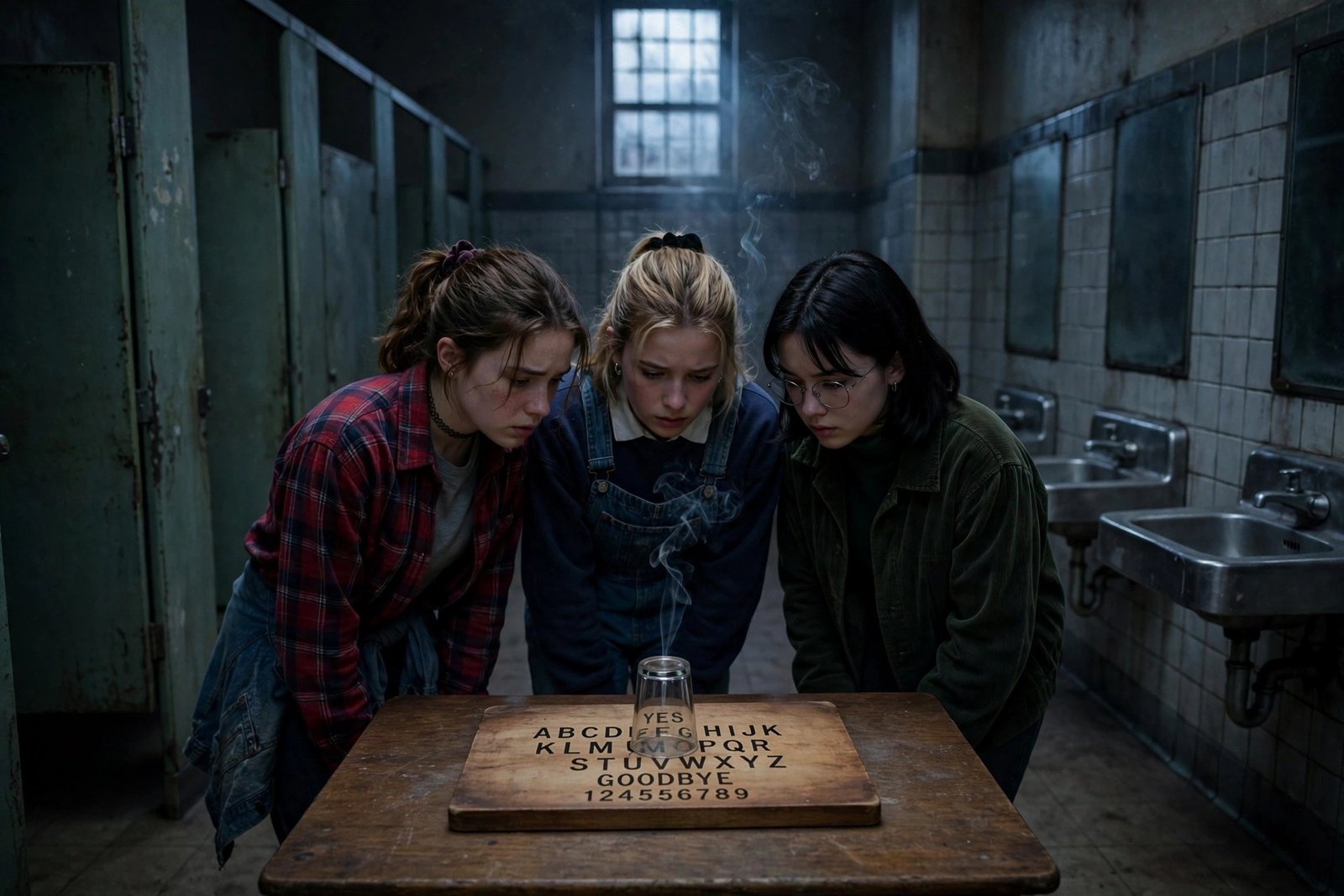
According to the most widely repeated version, Estefanía and two classmates used a ouija board in the school bathrooms while a teacher was out of the room. They wanted to contact the boyfriend of one of the girls, who had recently died in a motorcycle accident. Instead of a planchette, the girls used an upturned glass as the pointer, a common method in Spain.
The girls present later said the glass began to move on its own, then flew across the board and broke. Smoke was said to rise from the glass, and Estefanía breathed it in. A teacher interrupted the session and broke the board apart. The girls were questioned about the occult activity and sent back to class.
Her brothers later said the session took place about a year before her death, which puts it in 1990. Other retellings place it closer to the summer of 1991, during a solar eclipse. The date matters less than the shape of the story: a short, secret game at school, interrupted by an adult, followed months later by a slow and frightening decline.
Vallecas case timeline
| Date | What happened |
|---|---|
| 1990 | School ouija board session in Vallecas, interrupted by a teacher |
| 1990–1991 | Estefanía suffers insomnia, hallucinations, and seizures |
| 14 July 1991 | Estefanía dies at Gregorio Marañón Hospital, Madrid, aged 17 |
| 27 November 1992 | Police file the Expediente Vallecas report after visiting the flat |
| 2017 | Paco Plaza’s film Verónica, based on the case, reaches cinemas |
| 7 November 2025 | HBO Max documentary series Expediente Vallecas premieres |
| November 2026 | US searches for “the girl who played with the ouija board” jump 3,400% |
Inside the Vallecas case: what really happened to Estefanía
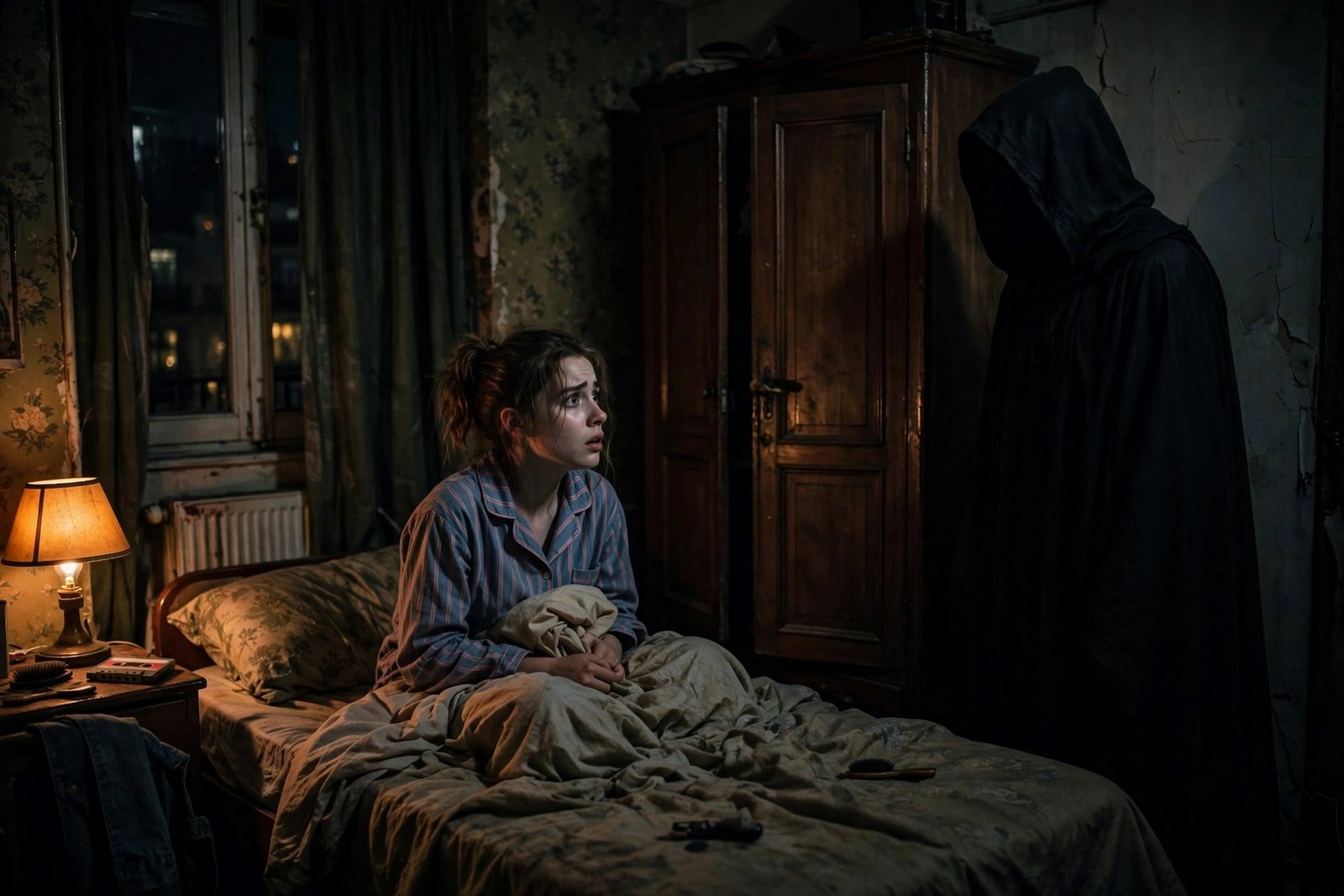
In the months after the session, Estefanía’s health and behaviour changed. Her family said she could not sleep, had vivid hallucinations, and suffered seizures. She told them that shadowy figures with no faces, dressed in cloaks, came into her room at night and asked her to go with them.
Doctors treated her for suspected epilepsy. Her brothers later said their mother, Concepción Lázaro, also had convulsive epilepsy, and that Estefanía’s seizures looked like hers. The family sought medical help and, at times, religious help as well, but her condition kept getting worse.
On 13 July 1991, things reached a crisis. During a violent episode, Estefanía attacked her younger sister Marianela, who ended up on the floor with foam coming from her mouth. The next day, 14 July, Estefanía fell into a coma after a severe seizure-like attack and was taken to Gregorio Marañón Hospital in Madrid. She died that night.
How did Estefanía die?
The hospital autopsy could not pin down a single clear cause of death. It was first recorded as a “sudden and suspicious death.” Hospital doctors later attributed the death to pulmonary asphyxia following a convulsive seizure, which is consistent with a severe epileptic episode.
That medical explanation has never settled the case for everyone. Believers point to the timing: a healthy teenager falls ill after a ouija board session and dies within about a year. Skeptics point to the family history of epilepsy and the fact that no test ever found a spirit at work. Both sides are reading the same thin medical record, and the record itself leaves room for both readings.

What did the police report actually say?
Estefanía’s death was not the end of the story. Her family said strange events in the flat grew worse after she died: sudden noises, doors and cupboard doors opening and closing on their own, objects moved from their places, and a crucifix torn from the wall with marks that looked like claw scratches.
On 27 November 1992, more than a year after her death, the family called the police. Inspector José Pedro Negri arrived with several officers in the early hours and found the parents and children outside the flat in the rain, frightened. The officers went inside, and what they wrote down became the Expediente Vallecas.
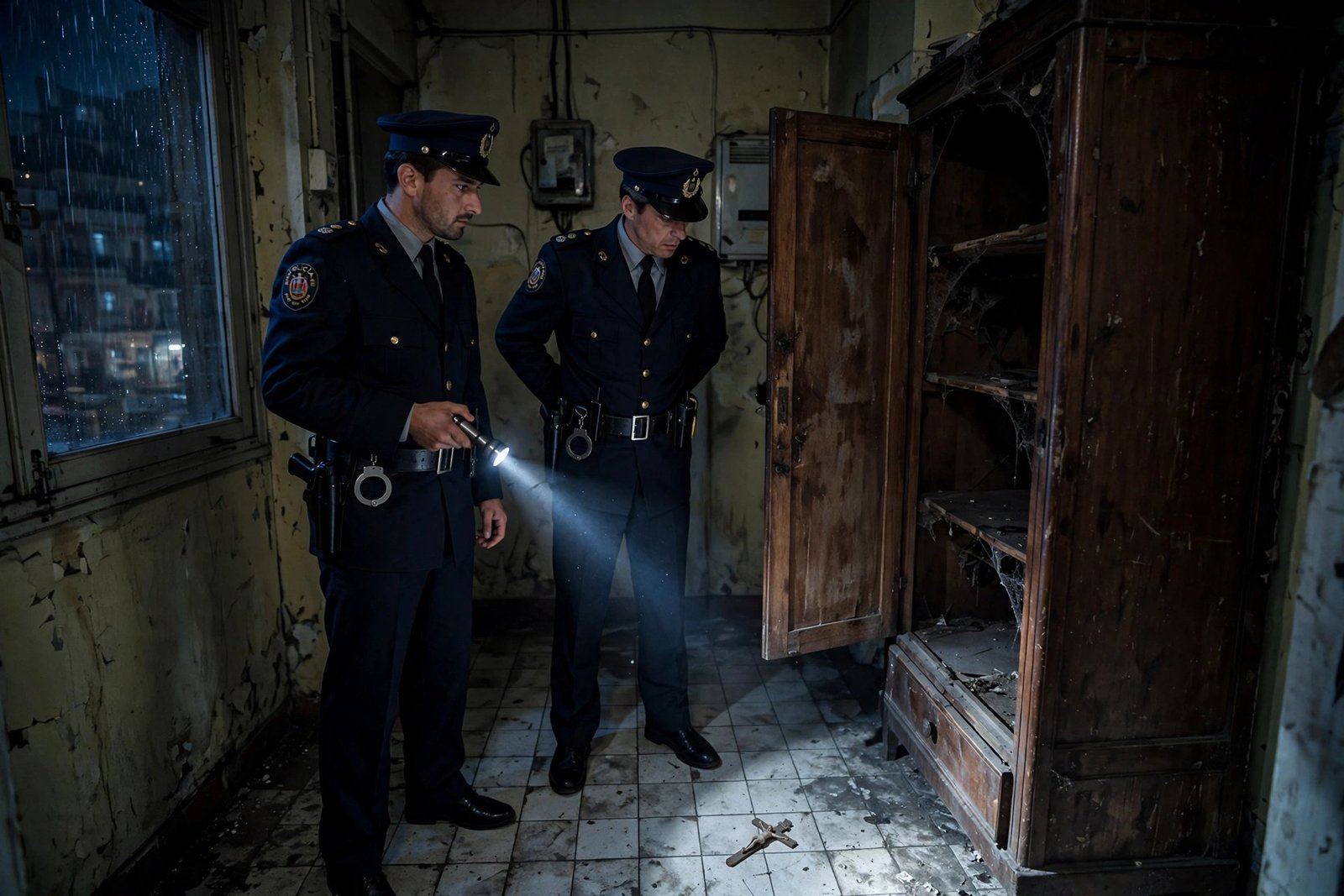
According to the report, a wardrobe door that had been firmly closed opened “suddenly and totally unnaturally” in front of the officers, nearly hitting one of them. A crucifix that had been hanging on the wall was found on the floor, torn from its mounting, with three scratches on the wall behind it. Officers also noted a brown stain on a table, later described as drool, strange noises from an empty balcony, and a sharp drop in temperature in the bathroom. The report called the visit “a situation of mystery and rarity.”
What the report did not do is blame a ghost. The officers recorded what they saw and heard without naming a cause. That restraint is exactly why the document carries weight: it is a police record of events the officers could not explain, not a claim that they had found a spirit. The family later sold the flat and moved away.
What do her family and skeptics say now?
Estefanía’s own family does not agree about the case, and that split is now part of the story. Her sister Querubina has always said what she lived through was real. Her brothers Ricardo and Maximiliano have offered ordinary explanations for nearly every detail.
The brothers say falling photo albums sometimes pushed the wardrobe door open, and that the brown substance on the table was their youngest sibling’s baby food. Ricardo has admitted that during the police visit he secretly threw a stone onto the terrace at his mother’s request, to impress the officers. The brothers describe their mother as the driving force behind the haunting story, and say people who presented themselves as parapsychologists coached the children on what to say.
Inspector Negri himself later sounded cautious. On the TVE programme Código Uno in October 1993, he described himself as a skeptic and said the wardrobe incident “could have 20,000 explanations.” The family split was laid out again in the HBO Max documentary series Expediente Vallecas, which premiered on 7 November 2025, with Querubina and Concepción taking part.
How accurate is Verónica to the real Vallecas case?
Paco Plaza’s Verónica (2017) is one of Spain’s most praised horror films, and it drew a huge new audience when it arrived on Netflix. It keeps the ouija board, the teenage girl, the Madrid setting, and the feeling of a family under siege. But Plaza has said openly that the film would “betray the real events,” and the differences are large.
| Detail | The film Verónica | The real Vallecas case |
|---|---|---|
| The family | Verónica’s mother is dead; she raises her younger siblings alone | Both parents were alive; Estefanía had five siblings |
| The timeline | The haunting plays out over about three days | The decline lasted months, about a year from séance to death |
| The séance | A nun warns Verónica; the session happens during a solar eclipse | A teacher interrupted the session and broke the board |
| The police | No police investigation in the film | Police visited the flat on 27 November 1992, 16 months after the death |
| The ending | Verónica dies by her own hand to save her siblings | Estefanía died in hospital after a seizure, recorded as sudden and suspicious |
If you watch the film first, treat it as a story built on a real case, not a retelling of one. If you read the case first, the film works better as a piece of horror that borrows the ouija board, the girl, and the dread, then invents the rest.
Verónica (2017): the film at a glance
Plot
The film follows 15-year-old Verónica, played by Sandra Escacena in her debut role, living in Madrid in 1991. After a ouija board session with two classmates, she finds herself besieged by a dangerous presence that threatens her whole family. The film is listed as Veronica, without the accent, in most English-language catalogues.
Cast
Escacena leads the cast as Verónica. Claudia Placer, Bruna González, and Iván Chavero play her younger siblings, and Ana Torrent plays their mother. The film was directed by Paco Plaza, who also directed the REC films, and written by Plaza with Fernando Navarro.
| Detail | Verónica (2017) |
|---|---|
| Director | Paco Plaza, who also directed the REC films |
| Writers | Paco Plaza and Fernando Navarro |
| Lead role | Sandra Escacena as Verónica, her first film role |
| Released | 25 August 2017 in Spain; shown at the Toronto International Film Festival |
| Streaming | Netflix picked it up and released it in early March 2018 |
| Runtime | 105 minutes |
Critical response
Critics praised the film, and it holds a 90% approval rating on Rotten Tomatoes. It earned seven nominations at the 32nd Goya Awards, including Best Film, Best Director, and Best New Actress for Escacena, and took about $6.1 million at the box office worldwide. The Netflix release is what turned a Spanish festival hit into a global talking point. Viewers called it one of the scariest films on the platform, and that word of mouth is why so many people now search for the real girl behind it. The film’s tagline in Spain even leaned on the police files, calling the story “inspired by terrifying police files never solved.” The film was selected for the Contemporary World Cinema section of the 2017 Toronto International Film Festival, where it had its international premiere, as noted in the Criterion Collection’s Toronto 2017 lineup coverage.
Why is this story trending again in 2026?
The search spike has no single obvious trigger. US searches for “the girl who played with the ouija board” rose 3,400% in the week of the trend, and related queries such as “how to start a ouija board session” also broke out. A Spanish-language YouTube retelling of the case, posted about three weeks earlier, has been drawing new viewers, and the HBO Max documentary series from November 2025 keeps the case in front of streaming audiences.
There is a pattern here that repeats every few years. A new video, a new series, or a new wave of viewers finds Verónica, searches for the real story, and the Vallecas case climbs again. The case has the three things that keep a story alive online: a real police report, a grieving family that disagrees in public, and a good film that most people saw first.
Is it dangerous to play with a ouija board?
The short answer is that the board itself has no proven power, but the experience can still upset people. That is the honest middle ground between the film’s version and the skeptics’ version.
Scientists explain ouija board movement through the ideomotor effect: tiny, unconscious muscle movements from the people touching the planchette, guided by their own expectations. In a 2012 experiment at the University of British Columbia, volunteers answered yes-or-no questions through a ouija board more accurately than when they answered out loud. The researchers credited the ideomotor effect, not spirits: the board let people express knowledge they did not know they had.
That does not make the experience harmless. A frightening session can cause real anxiety, sleeplessness, and, for people with epilepsy or other conditions, serious stress. If a ouija board session leaves someone scared or unwell, the sensible step is to stop, talk to someone trusted, and see a doctor if symptoms continue. For the science behind the board, and what the board can and cannot do, see our guide: Do Ouija Boards Really Work?
Visiting Vallecas today
Vallecas is a real, lived-in district of Madrid, not a horror attraction. The flat at 8 Calle Luis Marín is a private home, and the family no longer lives there. There is no museum, no tour, and no plaque, and turning up at the door would disturb the people who live there now.
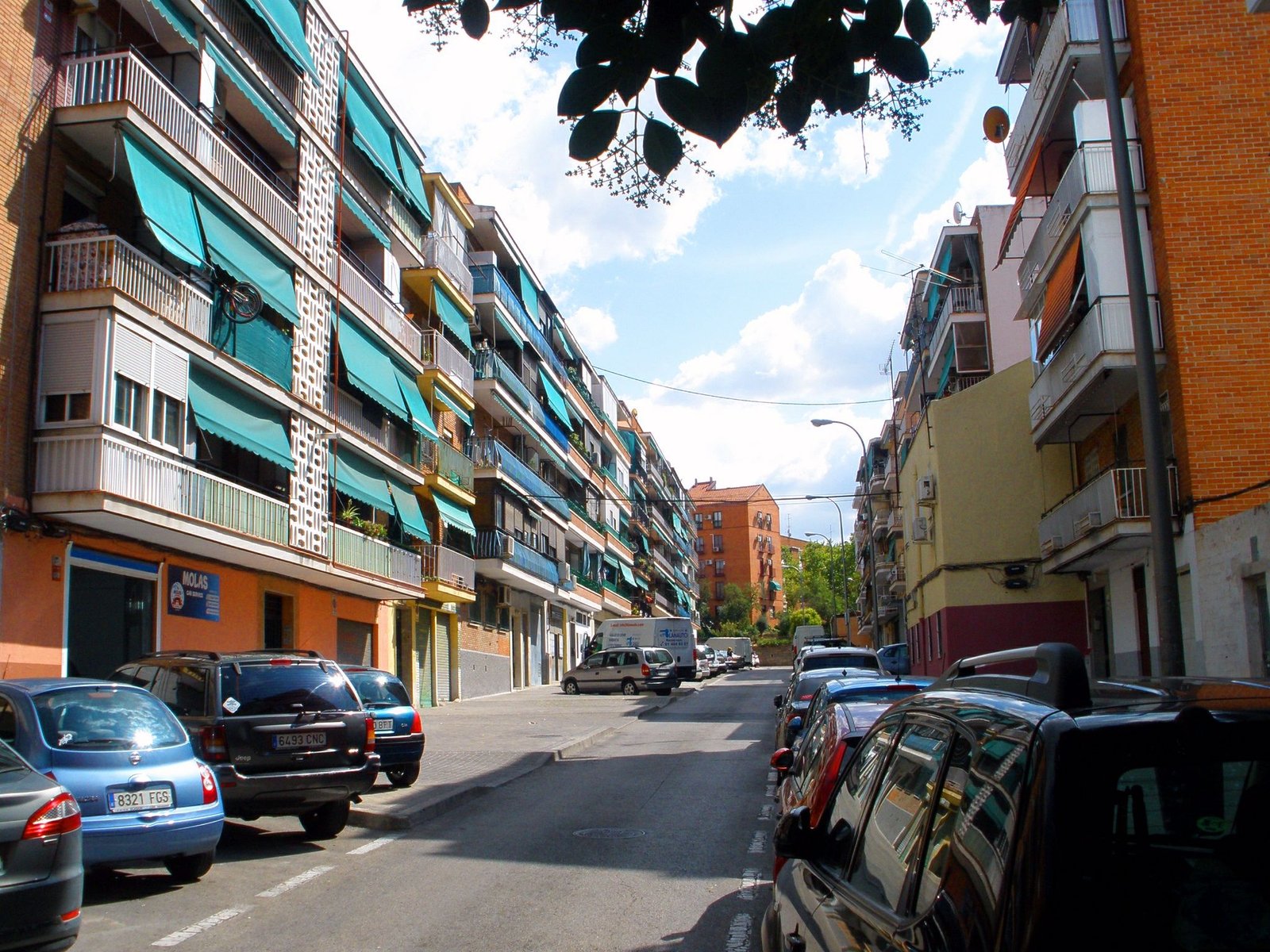
If the case draws you to Madrid, the honest way to visit is to walk the district, see its streets and squares, and treat the address as a private home. Fans of the film can also visit the city’s cinemas and film locations from Plaza’s other work. The case is best remembered from a distance, with respect for a family that is still divided over it. For another documented haunting with a house you can actually visit, see 30 East Drive Haunted House: The Black Monk True Story.
People also ask
Is the girl who played with the ouija board a true story?
Yes, the story is based on a real person, Estefanía Gutiérrez Lázaro, a 17-year-old from Vallecas, Madrid, who died in July 1991 after a school ouija board session. The séance, her illness, and the later police visit are documented, but the paranormal meaning of the events is disputed, and her own family disagrees about what happened.
What happened to the girl after she played with the ouija board?
In the months after the school séance, Estefanía suffered insomnia, hallucinations, and seizures. She told her family that faceless figures in cloaks visited her room at night. On 13 July 1991 she attacked her sister during a violent episode, fell into a coma the next day, and died that night in Gregorio Marañón Hospital. The autopsy called it a sudden and suspicious death.
Is the movie Verónica based on a true story?
Verónica (2017), directed by Paco Plaza, is loosely based on the Vallecas case. It keeps the ouija board session, the teenage girl, and the Madrid setting, but changes a lot: in real life her father was alive, her decline took months rather than days, and the police only visited the family home more than a year after her death.
What did the Spanish police report say about the Vallecas case?
On 27 November 1992, Inspector José Pedro Negri and his officers visited the Gutiérrez family flat at 8 Calle Luis Marín. Their report describes a wardrobe door opening suddenly and unnaturally, a crucifix found torn from the wall, a brown stain on a table, and a sharp drop in temperature. It is the only Spanish police report on record that documents alleged paranormal events firsthand. More on the film’s source material: Verónica (2017 film) on Wikipedia.
More Haunted stories
- 30 East Drive Haunted House: The Black Monk True Story
- Villisca Axe Murder House Haunting
- Eastern State Penitentiary Hauntings
This article presents traditional beliefs and folklore for informational purposes only, not as proven fact. If you experience persistent distress, please consult a qualified professional.