Last updated: 7 November 2026
Is 30 East Drive really haunted? If you ask the family who lived there, the answer is yes. The 30 East Drive haunted house in Pontefract, West Yorkshire, saw three years of reported poltergeist activity from August 1966: furniture thrown across rooms, chalk dust falling from thin air, and a tall hooded figure in black robes. More than 40 people, including clergy, police, and reporters, said they saw it too — yet no study ever proved a ghost was at work.
Quick answer: 30 East Drive is a council house in Pontefract, West Yorkshire, where the Pritchard family reported violent poltergeist activity from 1966 to 1969. Witnesses described flying objects, a hooded figure called the Black Monk, and attacks on the family’s young daughter. No proof of a ghost exists, but 40+ witnesses make it one of Britain’s best-known haunting cases.
Key stats:
| August 1966 | The disturbances began |
| 3 years | The main outbreak, 1966–1969 |
| 40+ | People who reported witnessing events |
| 12 | Diane Pritchard’s age when the haunting centred on her |
| 1981 | Colin Wilson’s book Poltergeist! covered the case |
| 2012 | The film When the Lights Went Out retold the story |
What is the 30 East Drive haunted house?
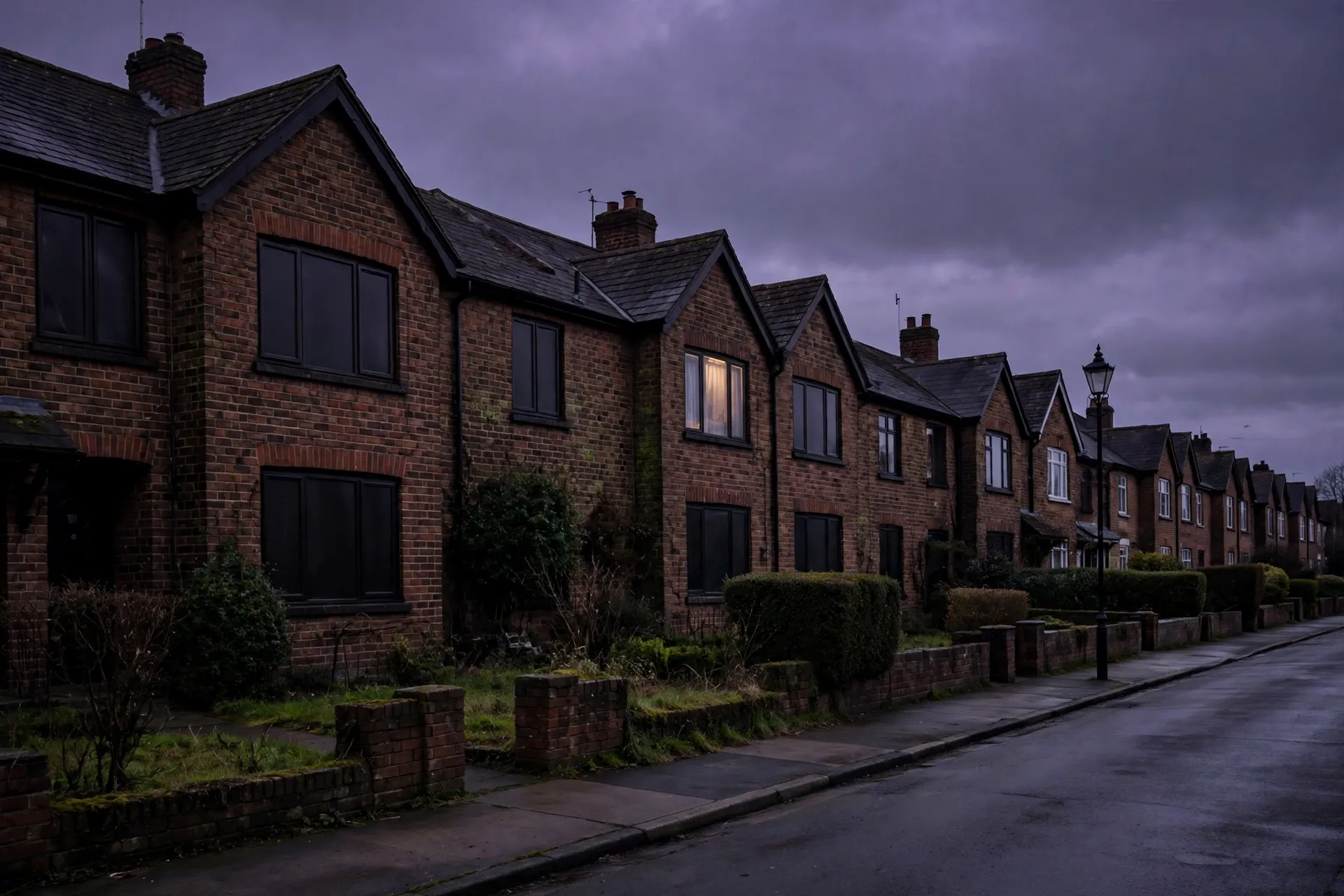
30 East Drive is a 1950s semi-detached council house on the Chequerfield Estate in Pontefract, West Yorkshire, England. It looks like every other house on the street — and that is the point. Nothing about the brickwork, the garden, or the quiet estate hints at what the Pritchard family said happened inside it between 1966 and 1969.
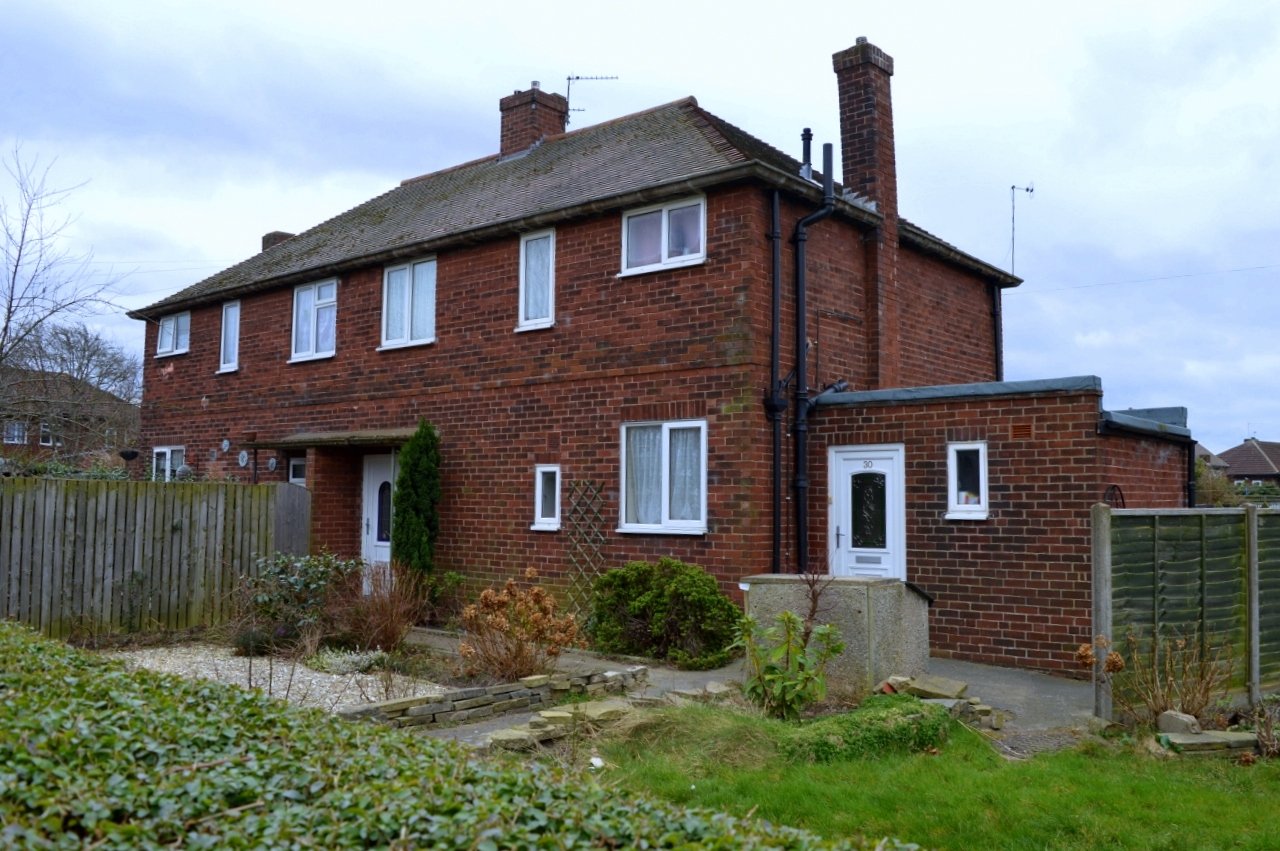
The family who moved in that year seemed ordinary. Joe Pritchard was an engineer, his wife Jean kept house, and their children Phillip (15) and Diane (12) had no link to the paranormal. Within weeks of moving in, that changed.
What happened inside the 30 East Drive haunted house in 1966?
The history of 30 East Drive
It started in August 1966, on a bank holiday weekend. Joe and Jean had gone away, leaving 15-year-old Phillip home with his grandmother, Sarah Scholes. That weekend a fine chalk-like dust fell from below head height, pools of water formed on the linoleum with no leak to explain them, and heavy thuds sounded through the house.

Reported hauntings at 30 East Drive
Then it turned violent. Stones flew indoors, saucepans were hurled across the kitchen, a wardrobe was dragged across a room, and a heavy grandfather clock was thrown to the floor. The activity centred on Diane: she was thrown from her bed more than once, and her parents watched her being dragged up the staircase by an unseen grip around her neck. Jean called the presence “Fred”; local papers called it “Mr Nobody.” The case became known as the Pontefract Poltergeist.
Why did the haunting focus on Diane?
Poltergeist reports often cluster around one person, usually a teenager, and the activity follows the young person rather than the building. Diane was 12 when it started, and the worst incidents happened to her. That pattern is one reason some researchers call this a classic poltergeist case — and why others argue it points to a human cause instead of a ghost. A related night-time fear, the feeling of being held down in bed, is covered in our guide to Old Hag syndrome and sleep paralysis folklore.
Who was the Black Monk of Pontefract?
Witnesses described a tall, featureless figure in the flowing black robes of a monk, its face hidden by the hood. Joe and Jean both saw it at the same time; Diane and Phillip saw it together in the kitchen. Others said it floated above beds or waited on the upper landing. It never spoke. It only watched — and that, the family said, was the worst part.
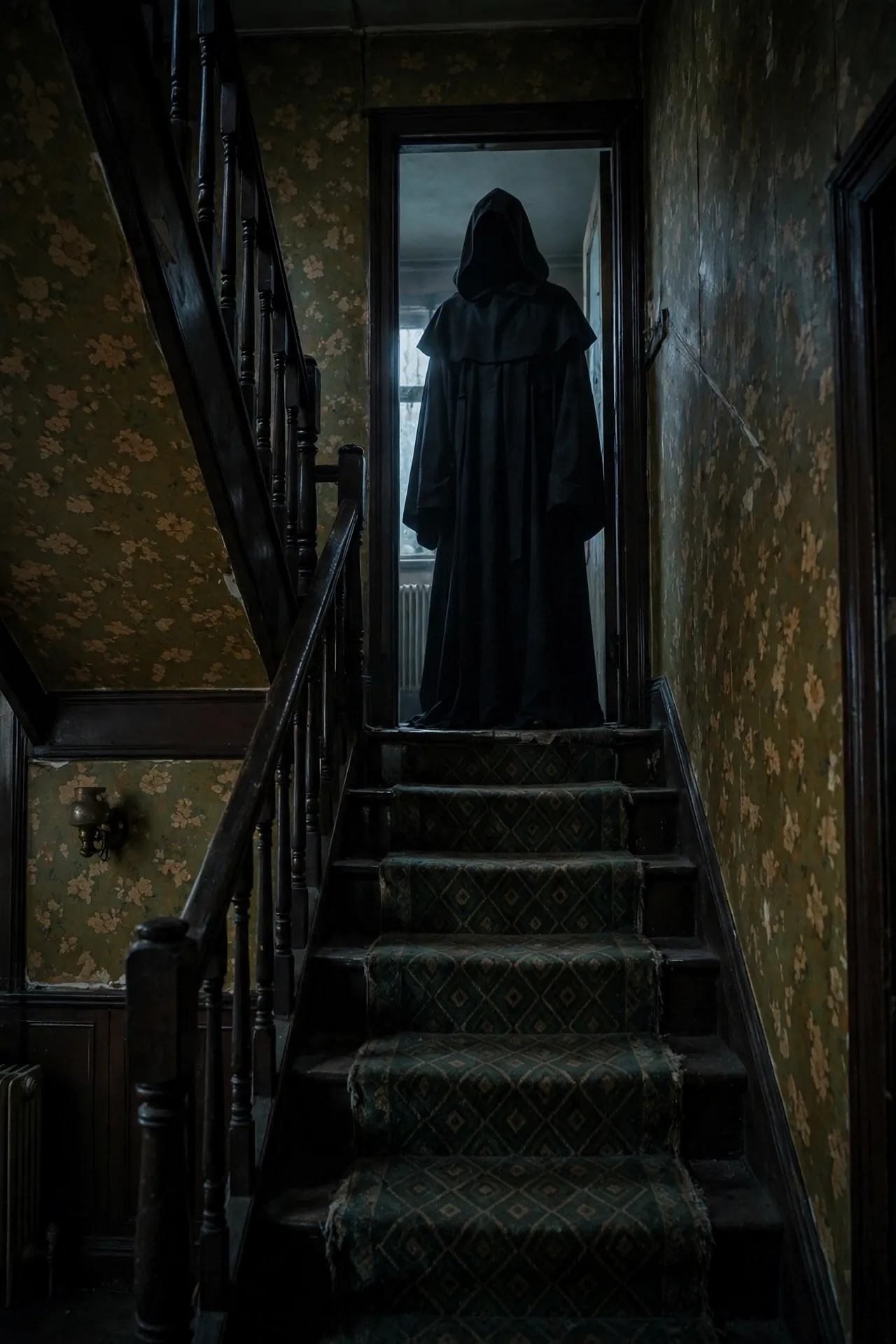
Local researcher Tom Cuniff traced the idea to Pontefract’s history. The Chequerfield Estate stood close to an old gallows hill, on land once tied to Pontefract Priory, a Cluniac monastery founded in the 11th century. Local lore told of a 16th-century monk hanged at those gallows under Henry VIII for the assault and murder of a girl; one retelling names him Thomas Scholes, said to have been executed in 1536.
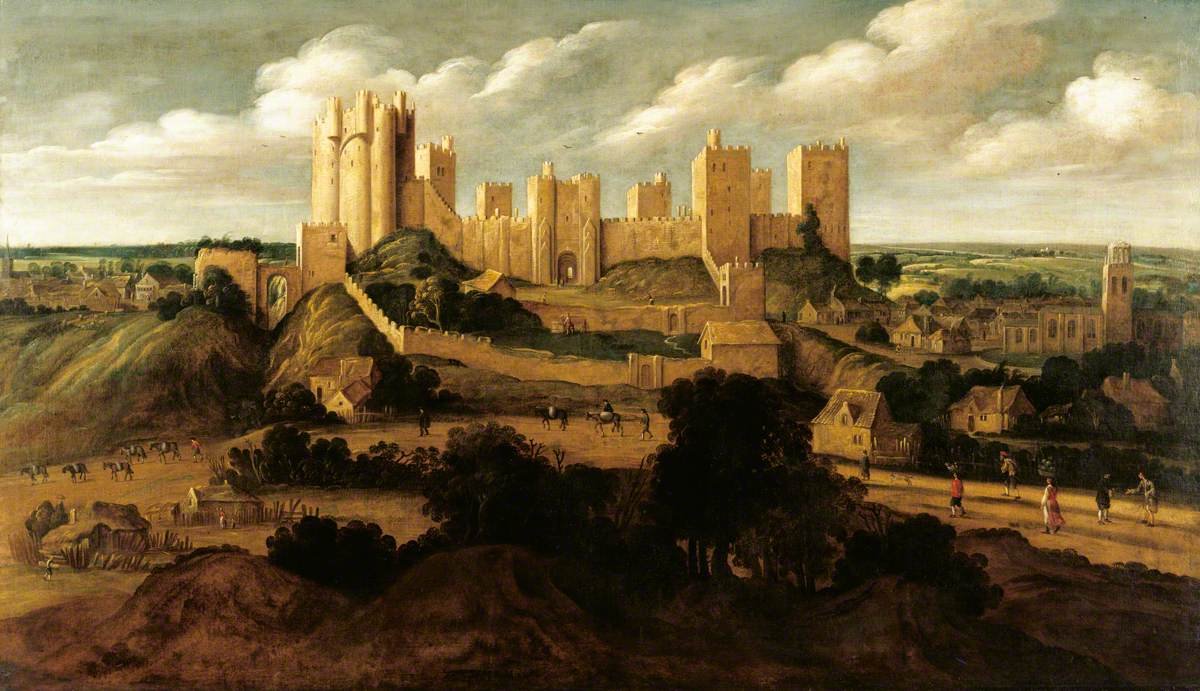
But no direct record ties a named monk to this plot of land, and the monk story only surfaced years after the first reports. The priory and the gallows are real history; the link to the figure in the house is folklore, fitted to the haunting after the fact. Read the full background on the Black Monk of Pontefract on Wikipedia.
What did investigators find at 30 East Drive?
The case might have stayed local if writer Colin Wilson had not picked it up. Cuniff alerted him in 1979, and Wilson travelled to Yorkshire in 1980 to interview the Pritchards, their neighbours, and other witnesses. In his 1981 book Poltergeist!, he called 30 East Drive one of the rare cases where physical violence happened in front of sceptical third-party witnesses.
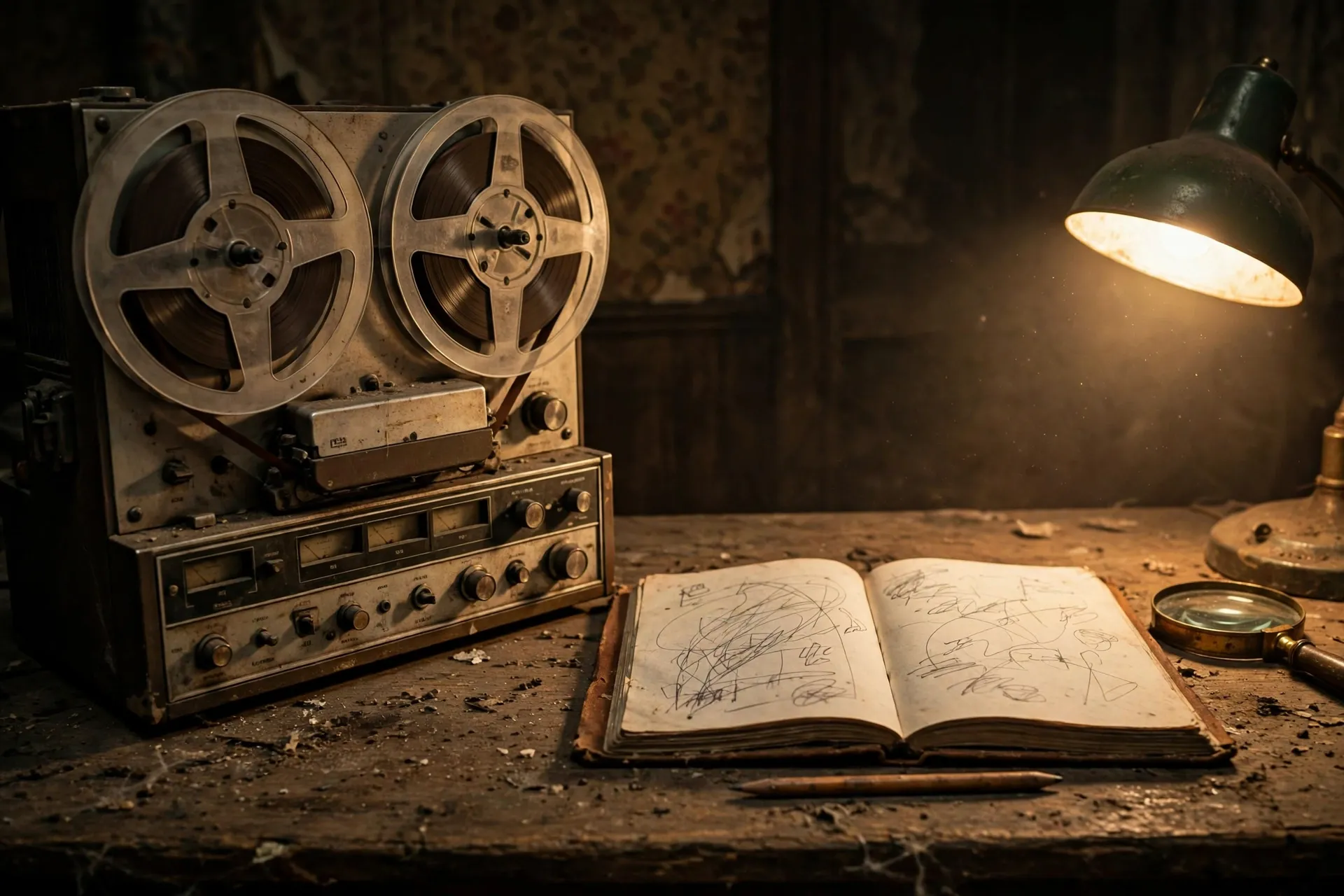
Father Arthur Chambers, a Catholic priest, performed an exorcism in the house — during it, the family said beds rose and a foul smell filled the room. Later investigators Mike and Jeanne Hirst collected audio they said held chanting voices, plus photographs of a cloaked shape. All told, more than 40 people, including clergy, reporters, and police officers, described similar events, and police found no sign of anyone breaking in or staging the damage.
Even so, the evidence has clear limits: no widely accepted photograph shows an object in mid-flight, none of the recordings went through rigorous blind testing, and no formal scientific study of the original disturbances exists. The witness list is long, but the hard proof is thin.
30 East Drive vs the Enfield Poltergeist
Britain’s two most famous poltergeist cases make a useful pair: both were reported by ordinary families, both centred on a young girl, and both drew serious investigators.
| 30 East Drive | Enfield Poltergeist | |
|---|---|---|
| Location | Pontefract, West Yorkshire | Enfield, London |
| Years | 1966–1969 | 1977–1979 |
| Family | The Pritchards (Joe, Jean, Phillip, Diane) | The Hodgsons (Peggy, Janet, Margaret) |
| Investigators | Colin Wilson, Tom Cuniff | Maurice Grosse, Guy Lyon Playfair |
| Known for | Violent attacks, the Black Monk figure | Knocking, levitation, the voice of “Bill” |
| Film or TV | When the Lights Went Out (2012) | The Enfield Haunting (2015) |
What do sceptics say about 30 East Drive?
Sceptics start with the evidence gap. The most dramatic claims — a boy lifted through an upstairs window, a girl dragged up the stairs — rest on witness statements repeated in later books, not on photographs or recordings made at the time. The monk story was also added years later, which suggests the legend grew as the case became famous.
Some critics offer a human explanation: poltergeist activity clusters around adolescents under stress, and family tension was part of daily life at 30 East Drive. On that view, the flying objects and the figure came from unconscious human action or misreading, not a spirit. Believers answer that too many independent witnesses saw the same things, some of them people who had come expecting a trick. Neither side has settled it.
30 East Drive timeline: the key dates
| Date | What happened |
|---|---|
| August 1966 | The Pritchard family moves in; the disturbances begin |
| 1968–1969 | The haunting peaks; the Black Monk figure is seen |
| 1979 | Tom Cuniff alerts writer Colin Wilson to the case |
| 1980 | Wilson visits Pontefract and interviews witnesses |
| 1981 | Wilson’s book Poltergeist! covers 30 East Drive |
| 2012 | When the Lights Went Out retells the story on film |
| Today | Ticketed ghost hunts run at the house |
Can you visit the 30 East Drive haunted house today?
The violent activity peaked in 1968 and 1969, then faded toward the late 1970s as Diane grew up and moved out, and the house stayed quiet for decades. Interest came back in 2012, when When the Lights Went Out — directed by Pat Holden, the real-life nephew of Jean Pritchard — put the story on screen. Film producer Bil Bungay bought the house after it came up for sale, and what was once a family home is now one of Britain’s best-known haunted locations.
What happens on a 30 East Drive ghost hunt
Today the house is a private home, but it also works as a ghost-hunt venue. Haunted Houses Events runs overnight hunts there: the evening starts around 9pm, runs until about 2:30am, and guests can stay for an optional sleepover until 9am at no extra cost. Groups are capped at 10 guests, equipment is provided, and the minimum age is 16. Places sell out fast, so check dates on the house’s official website and the Haunted Houses Events page — and never knock on the door unannounced, since people live there. Pontefract itself is worth the trip: the castle ruins are free to enter, and you can check opening times on the official Wakefield Museums and Castles page for Pontefract Castle. If you like house hauntings with a documented past, our guide to the Villisca Axe Murder House is the next one to read.
Questions people ask about 30 East Drive
Is 30 East Drive still haunted?
Reports never fully stopped, but the violent outbreak of the 1960s ended long ago. The house went quiet for decades, and later reports mostly come from organised ghost hunts, not a family living there. Visitors go for the history, not a guaranteed sighting.
Is the Black Monk of Pontefract real?
No proof exists that the figure was a ghost. Several witnesses described the same tall, hooded shape, which is why the story stuck. The monk’s identity — a Cluniac monk hanged in the 1500s — comes from local lore, not from any record tying a named monk to the house.
What film is based on 30 East Drive?
When the Lights Went Out (2012) is based on the case. It was directed by Pat Holden, whose aunt Jean Pritchard lived in the house, and it follows a family facing the same kind of disturbances the Pritchards reported. The film brought the Black Monk story to a new audience.
Where is 30 East Drive located?
30 East Drive stands on the Chequerfield Estate in Pontefract, West Yorkshire, England. Pontefract is a market town about 15 miles south-east of Leeds. The house is a private home on a residential street, not a public attraction.
More haunted house stories
- Villisca Axe Murder House: Haunting and History
- Eastern State Penitentiary Hauntings: 7 Ghost Stories
- Sallie House Haunting Kansas (2026): Full Guide
This article presents traditional beliefs and folklore for informational purposes only, not as proven fact. If you experience persistent distress, please consult a qualified professional.