
Last updated: October 20, 2026
A skinwalker is a harmful witch from Navajo tradition — a person who, the belief says, gained the power to shapeshift by breaking sacred taboos. What is a skinwalker in Navajo legend? The Navajo name is yee naaldlooshii, “by means of it, it goes on all fours.” Many Navajo (Diné) people treat it as a real spiritual danger, spoken of rarely. Below: origins, powers, taboo, and documented facts.
- “By means of it, it goes on all fours” — the Navajo–English Dictionary translation of yee naaldlooshii
- 27,000+ square miles — the Navajo Nation (Arizona, New Mexico, Utah), the largest US reservation (Indian Health Service)
- 300,000+ — enrolled Navajo (Diné) tribal members
- 1800s — Washington Matthews documented witches who “put on the skins of wild beasts”
- 1944 — Clyde Kluckhohn’s landmark study Navaho Witchcraft
What is a skinwalker? In Navajo tradition, a skinwalker is a person — often said to have once been a medicine person — who chose dark power over healing and gained the ability to take animal form: the antithesis of Navajo values, taken seriously enough that many Navajo people won’t discuss it with outsiders.
What is a skinwalker? Where the legend comes from
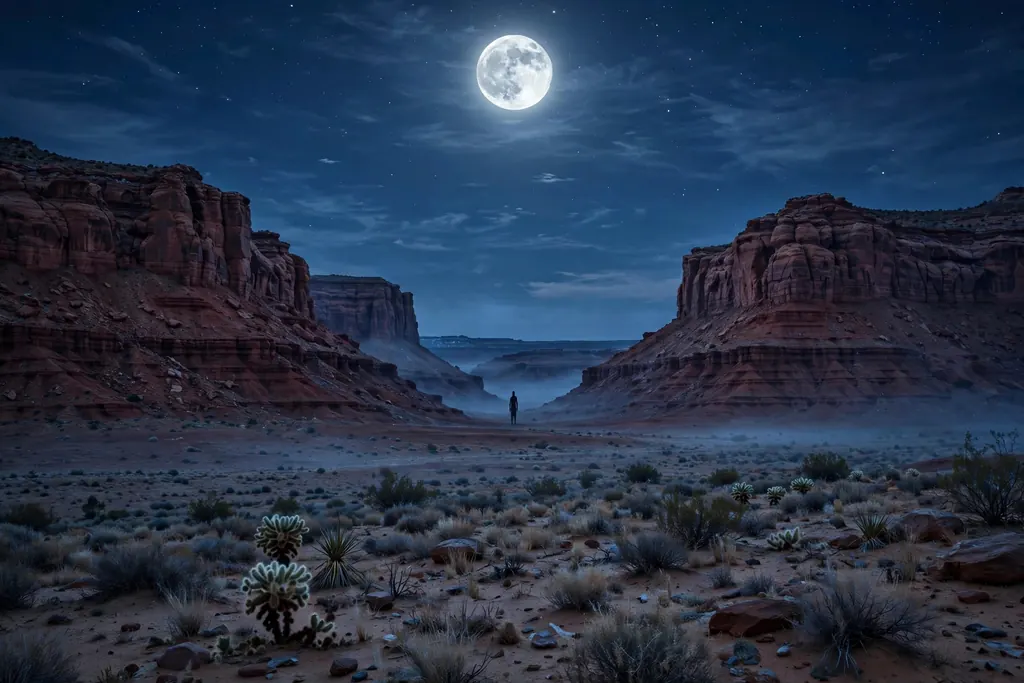
Navajo cosmology centers on hózhó — beauty, harmony, order. Medicine people maintain it; witches invert it. Skinwalkers are the ultimate inversion: healers who corrupted themselves, twisting medicine work into evil ceremony.
According to traditional accounts, becoming a skinwalker requires the worst taboo imaginable — most commonly described as killing a close relative — then donning the skin of a predatory animal to gain the power to transform at will. These beliefs predate European contact; outsiders documented them only in the 1800s because Navajo people did not discuss them. For the full documented record, see the Skin-walker entry on Wikipedia.
What powers does tradition give skinwalkers?

Across decades of accounts, the same abilities keep surfacing:
- Shapeshifting — into coyotes, wolves, crows, owls, foxes, or bears; sometimes botched partial forms
- Unnatural speed — running on all fours fast enough to keep pace with cars, per roadside reports
- Voice mimicry — imitating family members or pets to lure people outside at night
- Causing illness — “corpse powder” from ground bones, or curses projected from afar
- Possession — taking over animals, or influencing people’s thoughts and dreams
- Near-invulnerability — shrugging off bullets; tradition says only white-ash-treated bullets work
Within the tradition these aren’t entertainment — they’re practical warnings. The standard advice in skinwalker country: don’t stop, don’t answer strange voices, don’t investigate.
Why won’t Navajo people talk about skinwalkers?
This is the part outsiders get wrong most. The silence isn’t a gimmick — it’s an active, living taboo. Many Navajo people believe that speaking of skinwalkers, especially naming them, can attract their attention. Showing curiosity is treated as painting a target on yourself.
Cherokee Nation academic Adrienne Keene notes these beliefs sit deep inside Navajo ceremonial lifeways — not campfire tales — and outsiders lack the context they live within. Researchers often get information only after building long-term trust, or nothing at all. In 2016, Keene publicly criticized J.K. Rowling’s Pottermore story for repurposing the tradition as fantasy fodder. If a Navajo person goes quiet on the topic, let it drop.
What do reported encounters describe?
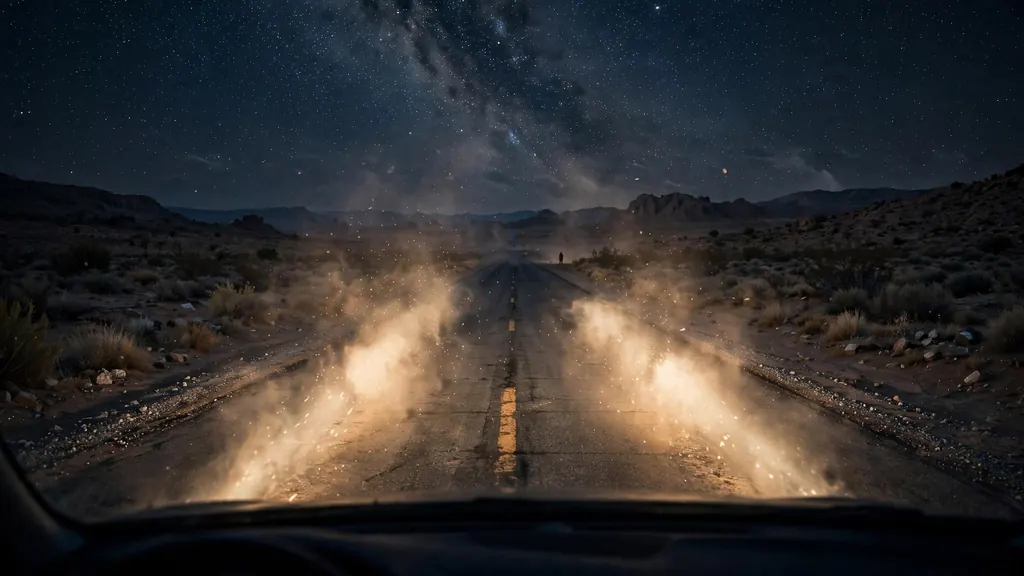
Modern reports, mostly from non-Navajo travelers, follow a pattern folklorists have mapped:
| Pattern | What witnesses report | Probable mundane cause |
|---|---|---|
| The chase | A canine keeps pace with a car for miles | Coyote or wolf; speed misjudged at night |
| The voice | A familiar voice calls from outside, cadence wrong | Wind, coyote calls, auditory pareidolia |
| The face | An almost-human, distorted face at a window | Pareidolia; owls; peripheral-vision tricks |
| The wrong animal | Upright coyote, staring owl, oversized wolf | Mange; brief glimpses in the dark |
Folklorists note a split: Navajo stories tend to be life-and-death struggles; non-Native reports are partial roadside encounters. And some nighttime encounters have ordinary explanations — sleep paralysis visions at the edge of waking follow a strikingly similar script.
Is Skinwalker Ranch the same thing?
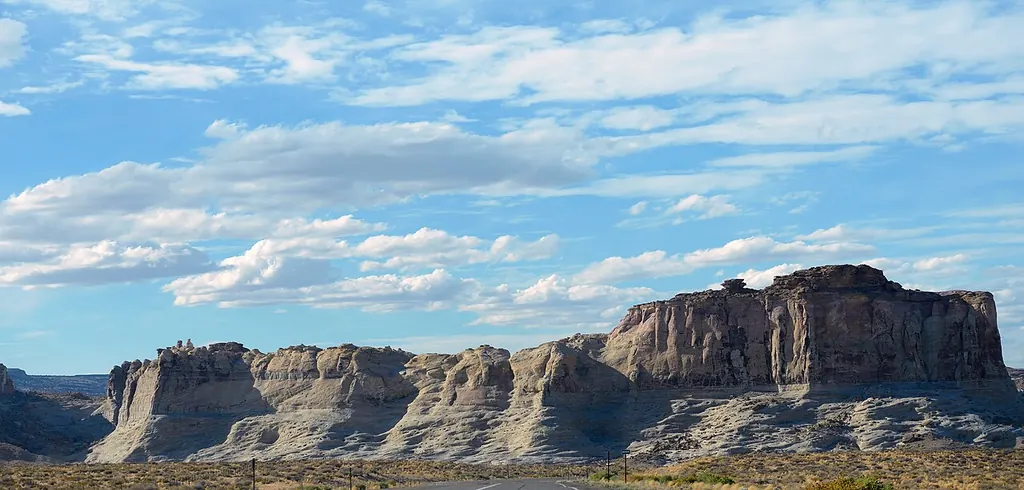
No. Skinwalker Ranch sits in Utah’s Uintah Basin, on historically Ute land outside the Navajo Nation. Its reports — the 1996 Sherman sightings, the bulletproof wolf-like creature, glowing orbs, cattle mutilations — are a separate phenomenon that borrowed the legend’s name.
The ranch’s story involves government investigations and is now a TV franchise. The Navajo legend is centuries older, rooted in Diné cosmology, with nothing to do with UFOs: one is a living spiritual belief, the other entertainment built on a borrowed name. We’ve covered the ranch separately — read Skinwalker Ranch explained: what really happened there for the full story.
Skinwalker legend vs. documented facts
| Claim (traditional accounts) | What is documented |
|---|---|
| Skinwalkers are corrupted human witches | Documented as belief — recorded since the 1800s; no individual ever proven to be one |
| They shapeshift into coyotes, wolves, owls | No verified physical evidence — no confirmed specimen, photo, or measurement |
| They run fast enough to chase cars | Plausible — coyotes sprint fast, and speed is hard to judge at night |
| They mimic the voices of loved ones | Reported but unverified — no authenticated recording exists |
| Speaking of them draws their attention | Cultural fact — the taboo is genuinely observed; its mechanism is belief, not testable physics |
What are the rational explanations?
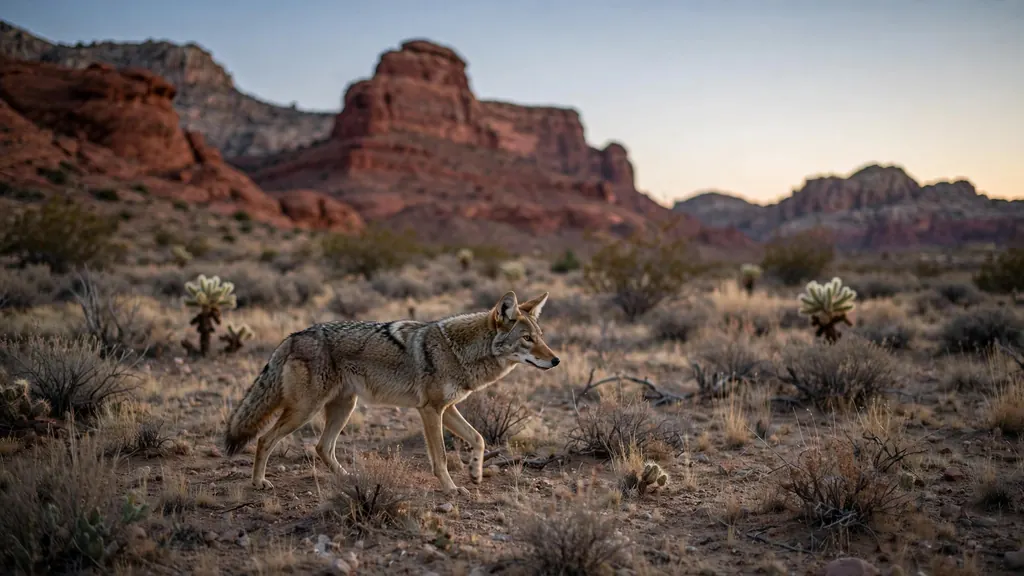
Most sightings dissolve under a flashlight. The Four Corners region holds coyotes, gray wolves, mountain lions, and great horned owls — all look wrong in headlights. A mangy coyote looks gaunt and alien; a wolf glimpsed at night looks impossibly large. Misidentification at 2 a.m. is how human vision works.
Psychology fills in the rest: expectation shapes perception, and once you’ve heard the stories, every shadow has a name. Sleep deprivation, peripheral-vision tricks, and the occasional prank account for their share. The legend can survive entirely on real animals plus real psychology — no shapeshifting required. If you’re drawn to how the brain manufactures nighttime visitors, the world’s most haunted places run on the same machinery.
People also ask
Are skinwalkers real?
It depends what you mean by real. As physical shapeshifters, no verified evidence exists. As a living belief, they’re completely real to many Navajo people — a genuine spiritual danger handled with real precautions. Calling it “just a story” misses how seriously the Diné take it.
What does yee naaldlooshii mean?
Roughly “by means of it, it goes on all fours” — a reference to the animal form. It’s one of several Navajo terms for harmful witches, and the one that stuck in pop culture, partly because it sounds the most evocative to English speakers.
What’s the difference between a skinwalker and a werewolf?
Almost everything but the shapeshifting. Werewolves are curse victims in European folklore; skinwalkers are people who chose corruption through taboo acts. A werewolf is a monster story; a skinwalker is a moral warning about abandoning your community’s values — a choice, not a curse.
Frequently asked questions
Q: What is a skinwalker in simple terms?
A: In Navajo tradition, a skinwalker (yee naaldlooshii, “by means of it, it goes on all fours”) is a harmful witch said to take animal form after terrible taboo acts. Folklore, not proven fact.
Q: Why do Navajo people avoid talking about skinwalkers?
A: Many Navajo people believe naming or discussing skinwalkers can attract their attention, and scholars note outsiders lack the cultural context the stories live inside — so the topic stays within trusted circles.
Q: Is Skinwalker Ranch connected to the Navajo legend?
A: Only by name. The ranch sits in Utah’s Uintah Basin on historically Ute land, outside the Navajo Nation; its UFO and creature reports are a separate phenomenon that borrowed the legend’s name.
More Cryptid stories
- Skinwalker Ranch Explained: What Really Happened
- Most Haunted Places in the World: 15 to Visit
- Sleep Paralysis Demon: Why You See a Figure
This article presents traditional beliefs and folklore for informational purposes only, not as proven fact. If you experience persistent distress, please consult a qualified professional.
Published by NegativeVibeFix — folklore, mysteries, and the science behind them.