
Quick answer: Vastu Shastra for home is India’s traditional system of placing rooms, doors and furniture by direction. The core rules: entrance in the north or east, kitchen in the southeast, master bedroom in the southwest, pooja room in the northeast, and heavy storage kept out of the northeast. Renters can follow arrangement-level fixes without moving walls.
If you want to follow vastu shastra for home design, you’re working with one of the world’s oldest systems for arranging living spaces. Vastu Shastra is a traditional Indian body of architectural wisdom — texts on it go back well over a thousand years — that lays down rules for where rooms, doors, and furniture should sit relative to the cardinal directions.
Treat it as folk science and cultural tradition, not proven science: the directional “energy” claims haven’t been tested the way modern building science has. That said, plenty of its prescriptions overlap with plain good design — morning light in living spaces, kitchens placed for ventilation, bedrooms kept quiet and dark. Architectural writers have noticed the same overlap; ArchDaily has examined how Vastu’s emphasis on light, orientation and ventilation keeps showing up in contemporary Indian homes.
This guide is a room-by-room reference: tight tables of dos and don’ts you can scan in minutes, written for Indian homeowners and renters — including those in flats where you can’t move a single wall.
Main Entrance
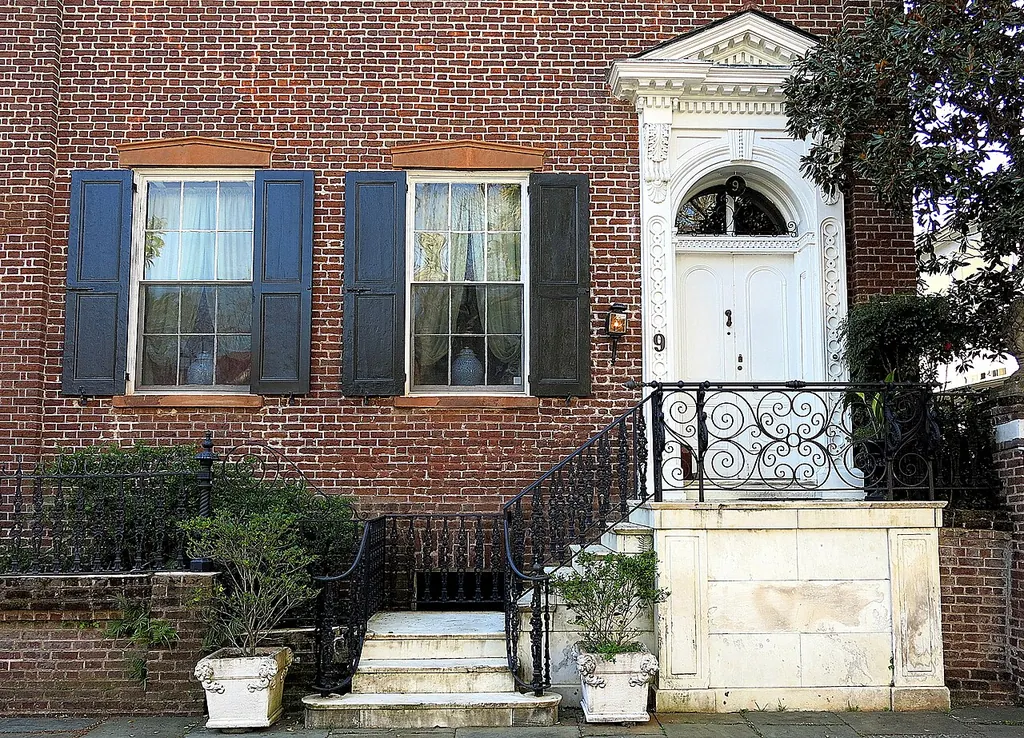
Vastu treats the main door as the mouth of the house — the point where opportunity and energy enter. It’s the single most emphasized element in the whole system: get the entrance right and believers say half the battle is won.
| Do | Don’t |
|---|---|
| Place the main door in the north, east, or northeast zone | Put the main entrance in the south or southwest |
| Let the door open inward, in a clockwise swing | Have it open outward or swing anti-clockwise |
| Keep the entrance clean, well-lit, with a nameplate | Pile shoes, dustbins, or clutter at the door |
| Add a small threshold and a lit diya or lamp by the door | Place a mirror directly facing the main door |
| Use two shutters of equal size that open fully | Live with a creaking, damaged, or single-shutter main door |
Living Room
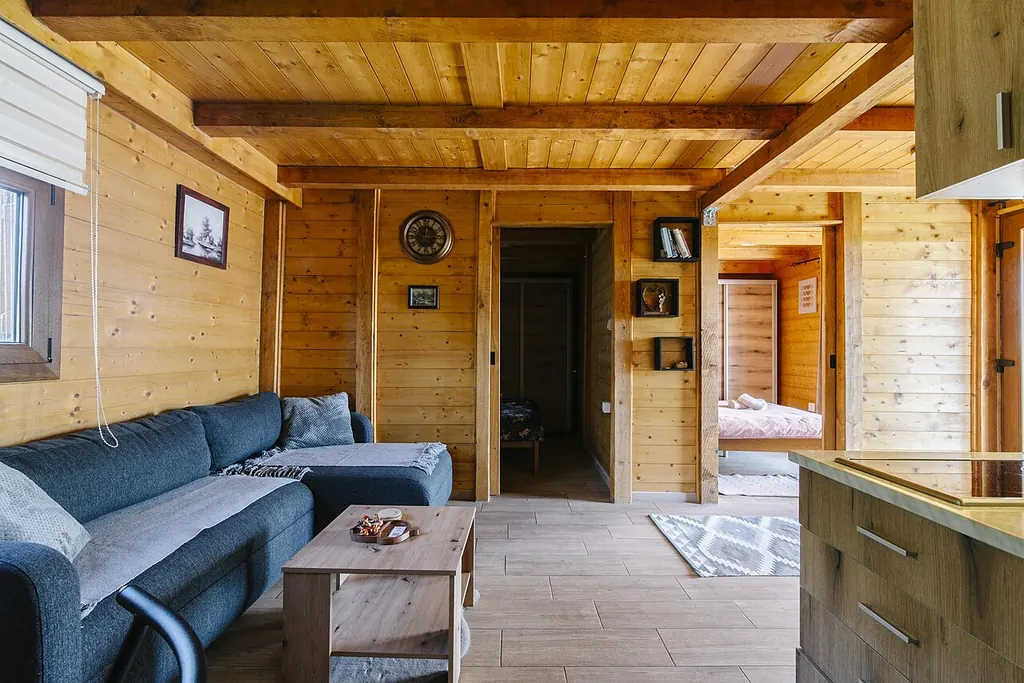
The living room is the social heart of the home. Vastu places it in the north or northeast portion, where morning light does the heavy lifting — and keeps heavy furniture anchored to the south and west.
| Do | Don’t |
|---|---|
| Place the living room in the north or northeast zone | Put the living room in the southwest — reserve that for the master bedroom |
| Arrange seating so hosts face east or north | Seat guests with their backs to the main door |
| Keep heavy sofas and cabinets along south and west walls | Crowd heavy furniture into the northeast corner |
| Use bright, warm lighting and light wall colors | Let a TV or electronics dominate the northeast corner |
| Keep the room’s center (Brahmasthan) open and clear | Dump clutter or heavy furniture in the exact center |
Kitchen
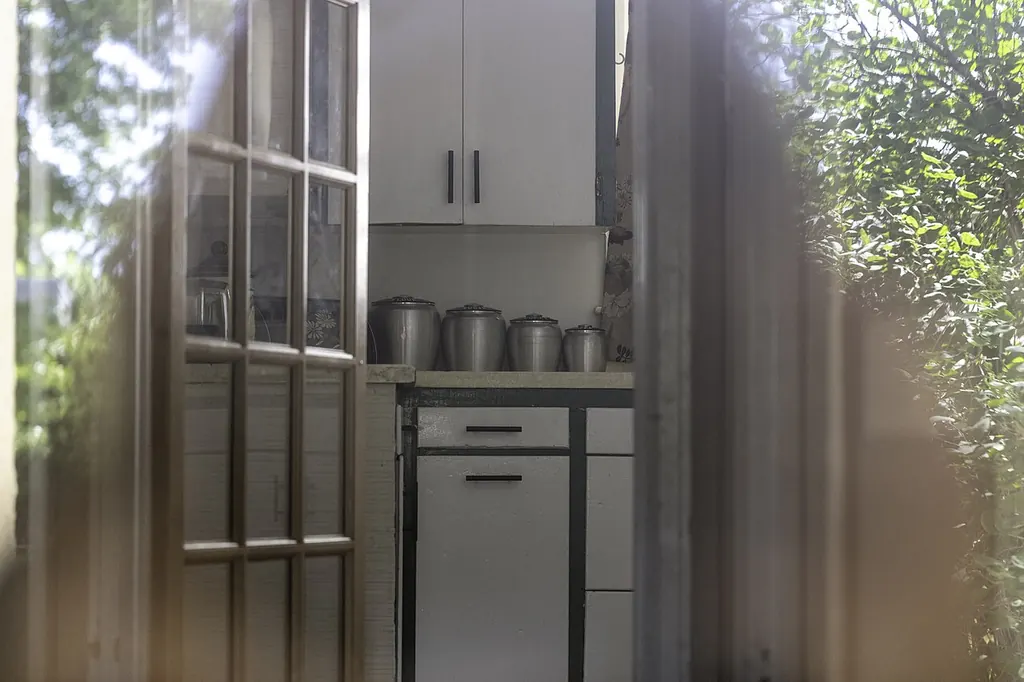
The kitchen is the fire zone — Agni’s corner — and Vastu is strictest here after the entrance. Southeast is the prescribed direction; the logic believers cite is part elemental, part practical: morning sun and good ventilation where you cook.
| Do | Don’t |
|---|---|
| Build the kitchen in the southeast | Place the kitchen in the northeast, the water and spiritual zone |
| Cook facing east | Cook facing south |
| Keep the stove and sink separated, not touching | Put fire (stove) and water (sink) side by side |
| Store grains and heavy provisions toward the south or west | Build overhead lofts pressing down over the cooking area |
| Keep the kitchen door away from the main door’s sightline | Share a wall between the kitchen and a toilet |
Master Bedroom
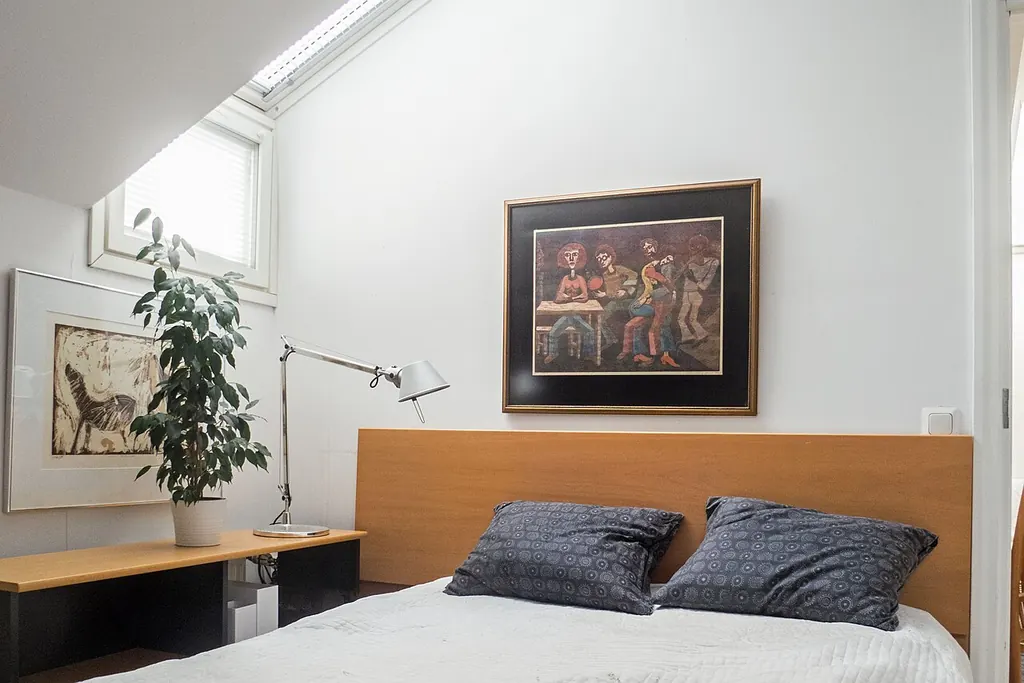
The master bedroom belongs to the southwest — the heaviest, most stable corner, suited to the head of the household. The rules here are all about rest: believers say the direction of sleep affects its quality.
| Do | Don’t |
|---|---|
| Place the bedroom in the southwest | Put the master bedroom in the northeast or southeast |
| Sleep with the head toward the south or east | Sleep with the head pointing north |
| Set the bed against a solid wall; wood preferred over metal | Place the bed directly under an overhead beam |
| Use soft, warm colors and keep electronics minimal | Hang a mirror facing the bed |
| Put an attached bath in the west or north of the room | Place the toilet in the room’s northeast corner |
Children’s Bedroom
For children’s rooms Vastu prescribes the west or northwest — directions believers associate with growth and new beginnings. The study corner matters as much as the bed.
| Do | Don’t |
|---|---|
| Place the room in the west or northwest | Give children the southwest — keep it for the master bedroom |
| Face the study desk east or north | Face the desk at a blank wall or toward the toilet |
| Point the head of the bed east or south | Push the bed under a window with the head at it |
| Use cheerful light colors and a good study lamp | Paint dark, heavy colors that make the room gloomy |
| Keep books and study material in the east or north | Pile clutter under the bed |
Bathrooms & Toilets
Toilets are the problem child of Vastu — necessary, but believers say their draining nature clashes with the zones meant for purity and prosperity. Placement damage-control is the whole game here.
| Do | Don’t |
|---|---|
| Place toilets in the northwest or west | Put a toilet in the northeast or the exact center of the home |
| Face the toilet seat north or south | Face the seat east or west |
| Keep the bathroom door closed when not in use | Leave the bathroom door open all day |
| Fit an exhaust fan or keep a ventilating window | Live with a damp, dark bathroom with no airflow |
| Place the septic tank in the plot’s northwest | Build the septic tank under the main entrance |
Pooja Room
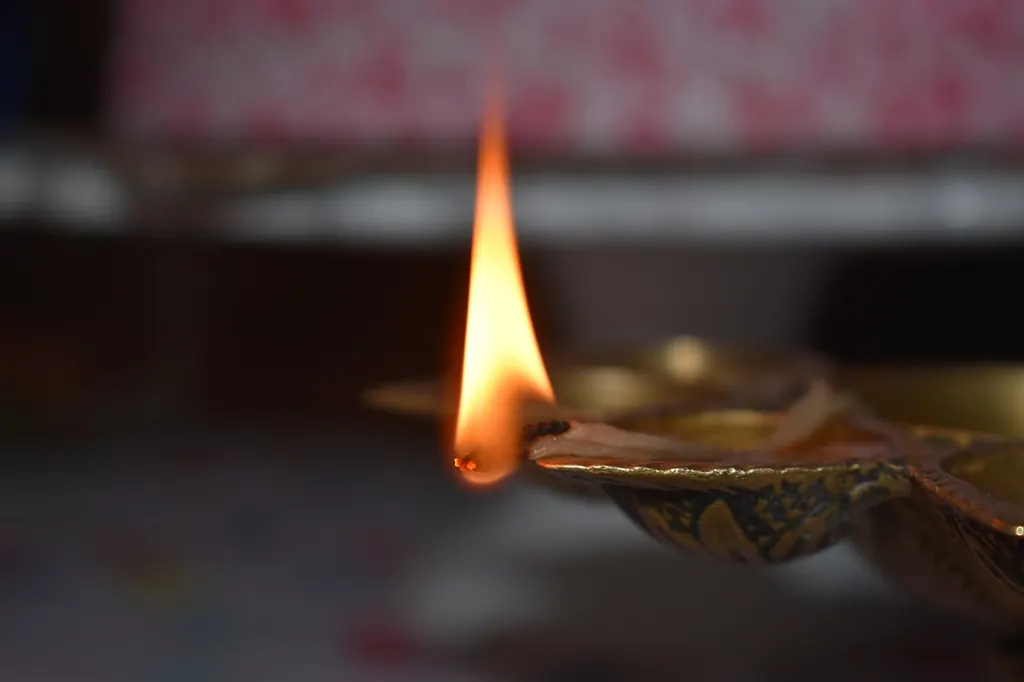
The pooja room is the spiritual anchor — northeast, the direction believers call Ishanya, the most sacred zone of the house. Even a small wall-mounted mandir counts if the direction and upkeep are right.
| Do | Don’t |
|---|---|
| Set the pooja space in the northeast | Build pooja under a staircase or inside a bedroom |
| Face east while praying; idols face west toward you | Place idols facing south |
| Keep idols a few inches off the wall, never touching it | Keep broken or chipped idols in worship |
| Light the diya daily and keep the space spotless | Let the pooja room double as a storeroom |
| Use light colors and keep a small ventilator or window | Place the pooja shelf directly above or below a toilet |
Study / Home Office
With work-from-home here to stay, Vastu’s study rules have found a second life. North and east are the prescribed zones — believers link them to clarity and new opportunities.
| Do | Don’t |
|---|---|
| Set the study in the north, east, or northeast | Work from the southwest or under a staircase |
| Face east or north at the desk | Sit with your back to the door |
| Keep a solid wall behind your chair | Sit with a window directly behind you and no backing |
| Place the desk lamp on the left (for right-handed writers) | Work under an overhead beam |
| Run bookshelves along the south or west walls | Keep a cluttered, cable-tangled desk in the room’s center |
Vastu Shastra for Home: 7 Mistakes Almost Everyone Makes
These are the violations Vastu consultants say they see in nearly every Indian home — including homes whose owners think they’re already compliant.
- A mirror facing the bed. This is the classic. Believers say a mirror opposite the bed bounces restless energy back at the sleeper and disturbs rest. The practical read is simpler: catching your own movement in a mirror at 3 a.m. startles you awake. Fix it by moving the wardrobe mirror, angling it away, or simply draping it at night.
- A kitchen tucked under the staircase. Stairs are dead, transitional space; the kitchen is the fire zone. Believers say this combination breeds instability and health niggles. Even setting belief aside, under-stair kitchens are usually cramped, poorly ventilated, and miserable to cook in. If you can’t move it, keep it brilliantly lit and ventilated.
- A dark, cluttered main entrance. The entrance is Vastu’s headline act, yet most of us dump shoes, parcels, and dying plants there. Believers say clutter at the door blocks incoming fortune; the everyday version is that a chaotic entryway spikes your stress the second you walk in. Clear it, light it, and the whole house feels different.
- A toilet in the northeast corner. The northeast is the most sacred zone and the toilet is the least sacred fixture — believers call this the single worst placement in a home. You can’t move plumbing cheaply, so the standard remedies are: keep the door shut, keep it spotless, and paint it in light colors.
- Sleeping with your head to the north. Believers say the body’s magnetic polarity clashes with the earth’s when the head points north, disturbing sleep. Sleep researchers would point at the mattress, light, and noise first — but since turning the bed costs nothing, it’s the cheapest experiment on this list.
- Heavy storage crushing the northeast. The northeast is supposed to stay light, open, and low. Believers say heavy almirahs and overhead tanks there press down on the home’s luck. Practically, a bright uncluttered corner with a window is just a nicer room. Move the heavy stuff to the south or west.
- A pooja corner sharing a wall with the toilet. Believers consider this deeply inauspicious — the sacred and the draining pressed against each other. If your flat’s layout forces it, the common remedy is a wooden partition or at least a decent gap, plus keeping both spaces immaculate.
Vastu Shastra for Home in Rented Spaces: What You Can Change
Renters get the worst of Vastu anxiety: you can’t move the kitchen, the toilet is where it is, and the landlord laughed at your renovation plans. Here’s the good news — most of what affects daily life is arrangement, not architecture.
Start with the bed: rotating it so your head points south or east costs nothing and takes twenty minutes. Next, the mirrors: move or cover any that face the bed or the main door. Then the entrance: you may not own the door, but you own the doormat, a potted tulsi, and a warm bulb in the passage — all renter-legal.
Colors are your secret weapon. Light, warm neutrals in the northeast corner of each room and deeper tones toward the southwest — most landlords won’t object to that logic, and if painting is off the table, curtains and bedsheets do the same job. Declutter ruthlessly; a rented flat with clear surfaces and open corners already satisfies half of Vastu’s spirit.
Set up your pooja on a clean northeast-facing shelf or wall-mounted mandir — adhesive mounts mean no drilling. Keep the kitchen’s fire-water separation in mind when you arrange: stove and sink apart, grains stored toward the south or west of the kitchen. And run a vastu checker pass over your floor plan to spot the two or three fixes that matter most for your specific layout — then stop worrying. A calm, cared-for rented home beats a Vastu-perfect one that stresses you out. For ongoing ideas, the tools page and our remedies collection are worth a bookmark.
Frequently Asked Questions
Is Vastu Shastra scientifically proven?
No — and honest Vastu practitioners will tell you the same. It’s a traditional system of architectural wisdom, not a tested science; claims about directional “energies” haven’t been validated by modern research. What gives it staying power is the overlap with good design: morning light, cross-ventilation, quiet bedrooms, and uncluttered entrances genuinely make homes healthier and calmer. Follow the parts that make your home better; hold the metaphysical claims lightly.
Can I follow Vastu in a rented apartment?
Yes — focus on arrangement rather than architecture. You can rotate the bed, reposition mirrors and furniture, change colors with curtains and linen, declutter, and set up a small pooja shelf in the northeast. You can’t move the kitchen or toilet, and that’s fine: Vastu’s daily-life impact comes mostly from the things you can rearrange, not the walls you can’t.
What is the single most important Vastu rule?
Believers consistently rank the main entrance first: a door in the north, east, or northeast zone, kept clean and well-lit. Second comes keeping the northeast corner of the home light, low, and uncluttered. If you do only two things, do those — every Vastu consultant will tell you the same.
My kitchen is in the “wrong” direction. Do I need to rebuild?
No. Demolishing a kitchen over a directional rule is the kind of overreaction this guide exists to prevent. Use arrangement-level remedies: cook facing east, keep stove and sink apart, store grains toward the south or west, and keep the kitchen brilliantly clean and ventilated. Believers say sincere upkeep and intention compensate for imperfect placement — and a well-kept “wrong” kitchen beats a neglected “right” one every time.
This article presents traditional beliefs and folklore for informational purposes only, not as proven fact. If you experience persistent distress, please consult a qualified professional.