Last updated: 22 October 2026 • By NegativeVibeFix
The Max Headroom broadcast signal intrusion of 1987 is the strangest unsolved hack in TV history. On the night of November 22, a masked figure hijacked two Chicago stations — WGN’s 9 p.m. news, then WTTW’s Doctor Who — airing a bizarre 90-second rant before vanishing. Nearly four decades later, nobody knows who did it.
The Max Headroom broadcast signal intrusion remains unsolved because the pirates used portable gear — and in 1987, tracking a burst microwave transmission in a big city was nearly impossible.
The Max Headroom broadcast signal intrusion is still talked about today simply because no one has ever been caught.
- 22 November 1987 — both intrusions, ~2 hours apart
- WGN Ch.9, 9:14 p.m. — ~25 seconds, no audio (buzz only)
- WTTW Ch.11, ~11:20 p.m. — ~90 seconds, with distorted audio
- 2 towers hijacked: John Hancock Center, Sears Tower
- $100,000 max FCC fine + up to 1 year in prison
- 1992 — statute of limitations expired
What is the Max Headroom broadcast signal intrusion? An act of broadcast piracy on November 22, 1987: unknown perpetrators overrode two Chicago TV stations and aired footage of a person in a Max Headroom mask — the stuttering AI TV host of the era. The first hit WGN’s evening news; two hours later, the second interrupted Doctor Who on WTTW.
The Max Headroom broadcast signal intrusion is the most famous case of its kind precisely because it was technically brilliant, darkly comic, and never solved.
What Happened During the First Intrusion?
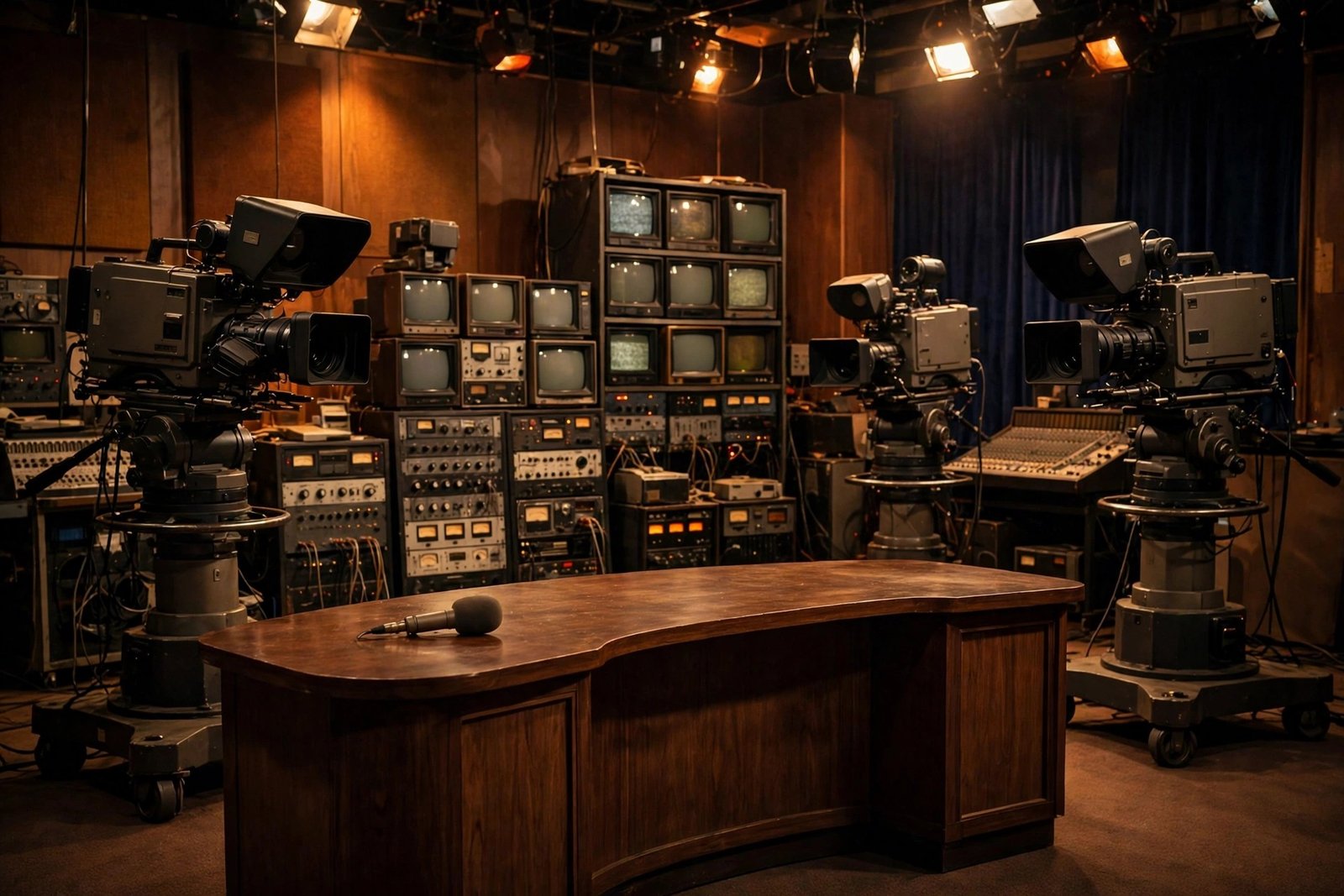
At 9:14 p.m., during the sports segment of WGN-TV’s The Nine O’Clock News, screens went black for about 15 seconds. Then a figure appeared: someone in a Max Headroom mask and sunglasses, rocking erratically before a swiveling corrugated panel imitating the character’s geometric background. No audio — only a loud, garbled buzz.
It lasted around 25–30 seconds before WGN engineers changed the frequency of the studio-to-transmitter link to the John Hancock Center, breaking the pirate’s lock. A rattled Dan Roan returned with “Well, if you’re wondering what’s happened, so am I” — then restarted his Chicago Bears report.
The WGN leg of the Max Headroom broadcast signal intrusion was cut short only because engineers on duty could retune the studio-to-transmitter link mid-broadcast.
What Happened During the Second Intrusion?
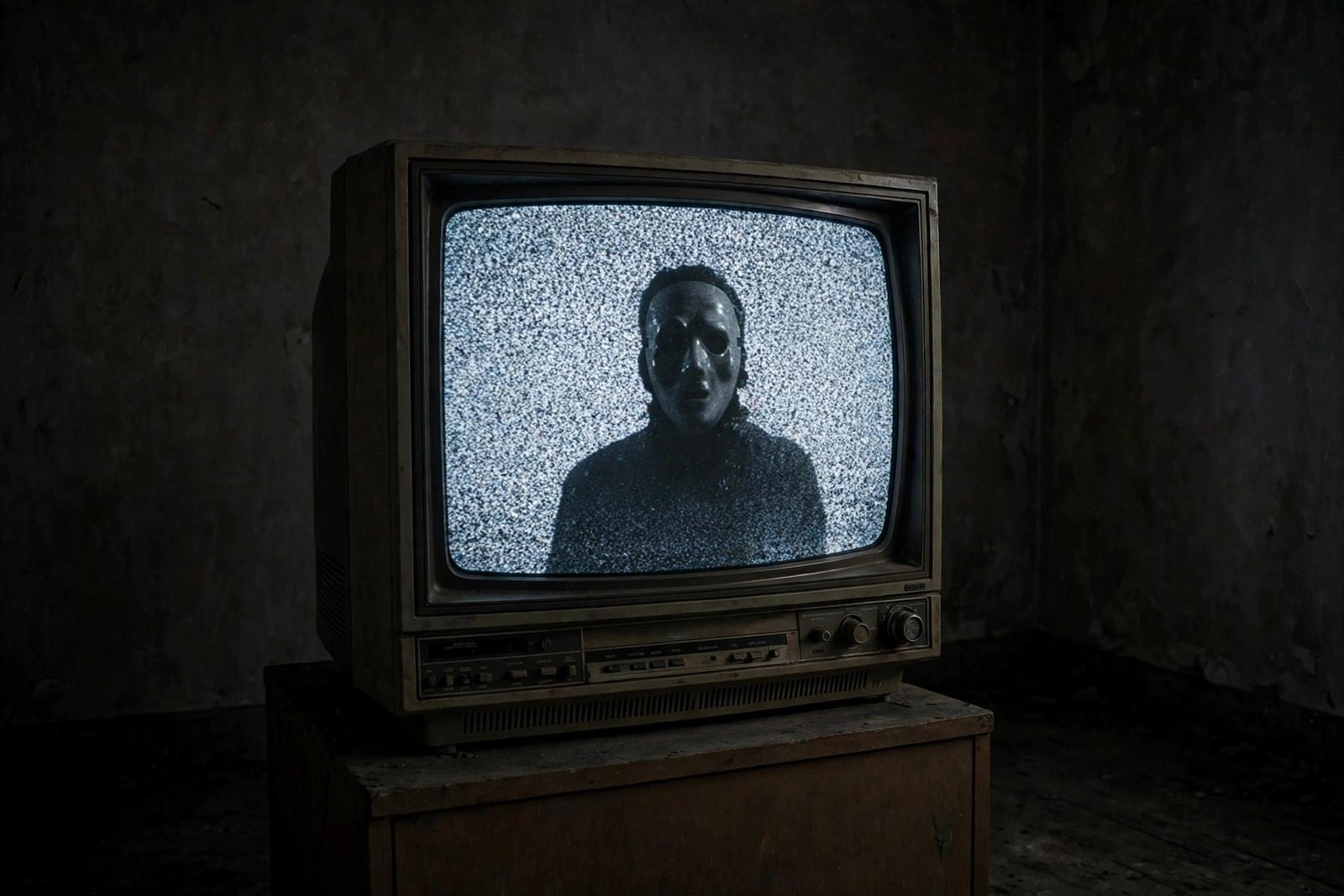
Around 11:20 p.m., two hours later, the hijackers struck WTTW, Chicago’s PBS station, during the Doctor Who serial “Horror of Fang Rock.” Nobody was on duty at the Sears Tower transmitter, so technicians could only watch. The pirates stayed on the air about 90 seconds — this time with audio: a distorted voice firing off rants and references.
The masked figure mocked WGN anchor Chuck Swirsky, held up a Pepsi while riffing on Max Headroom’s “Catch the wave” Coca-Cola slogan, hummed the old Clutch Cargo cartoon theme, and rambled about “the Greatest World Newspaper nerds.” It ended crudely: the figure exposed himself and was spanked with a flyswatter by a second person in a French maid outfit, crying “Oh no, they’re coming to get me!”
The WTTW leg of the Max Headroom broadcast signal intrusion lasted three times longer, and its distorted audio gave investigators their only real clues.
| Rant reference | What it meant |
|---|---|
| “Catch the wave” + Pepsi can | Mocking Max Headroom’s Coca-Cola ads |
| Clutch Cargo theme; “I still see the X!” | A 1959 cartoon; the line quotes its last episode |
| “Greatest World Newspaper nerds” | WGN’s call letters stand for “World’s Greatest Newspaper” |
| Chuck Swirsky, “frickin’ liberal” | WGN’s sports anchor at the time |
| Intrusion 1 — WGN | Intrusion 2 — WTTW | |
|---|---|---|
| Time | 9:14 p.m. | ~11:20 p.m. |
| Station | WGN-TV, Channel 9 | WTTW, Channel 11 (PBS) |
| Program hit | The Nine O’Clock News (sports) | Doctor Who: “Horror of Fang Rock” |
| Duration | ~25–30 seconds | ~90 seconds |
| Audio | None — just a buzz | Yes — distorted ranting |
| Tower | John Hancock Center | Sears Tower (unattended) |
| How it ended | Engineers changed the link frequency | Hijackers ended it themselves |
How Did the Hijackers Take Over the Signal?
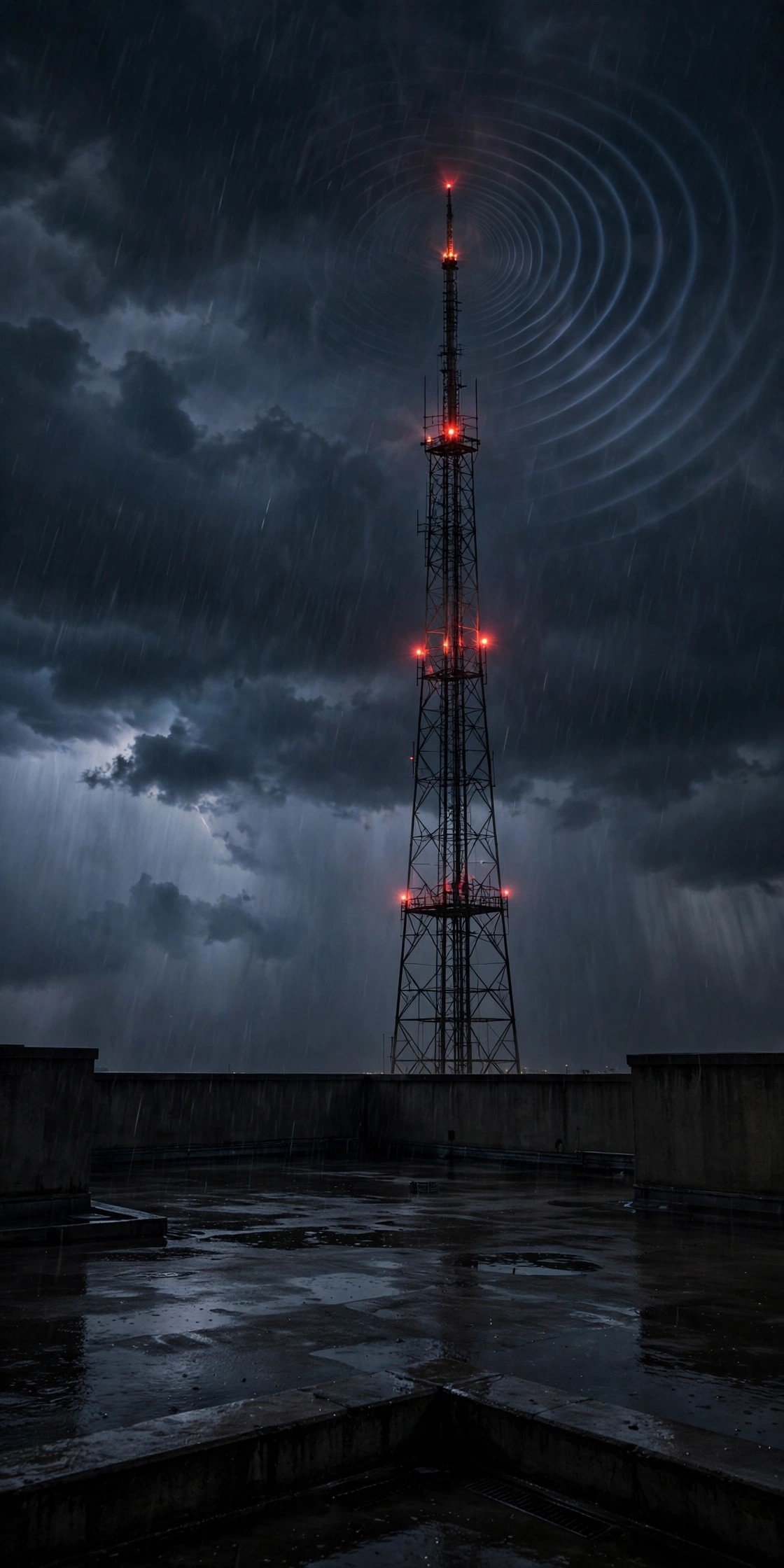
The pirates aimed a stronger microwave transmission at each tower than the station itself was sending. When two signals compete on one frequency, the stronger wins — the “capture effect.” Viewers’ antennas locked onto the pirate feed.
This capture effect is the technical core of the Max Headroom broadcast signal intrusion — and it is exactly why analog towers were so easy to override.
Experts said it demanded serious know-how and major transmitting power, from somewhere in the line of sight of both downtown towers — a rooftop or high window facing the Hancock Center and the Sears Tower, twice in one night, without getting caught.
What Did the Investigation Find?
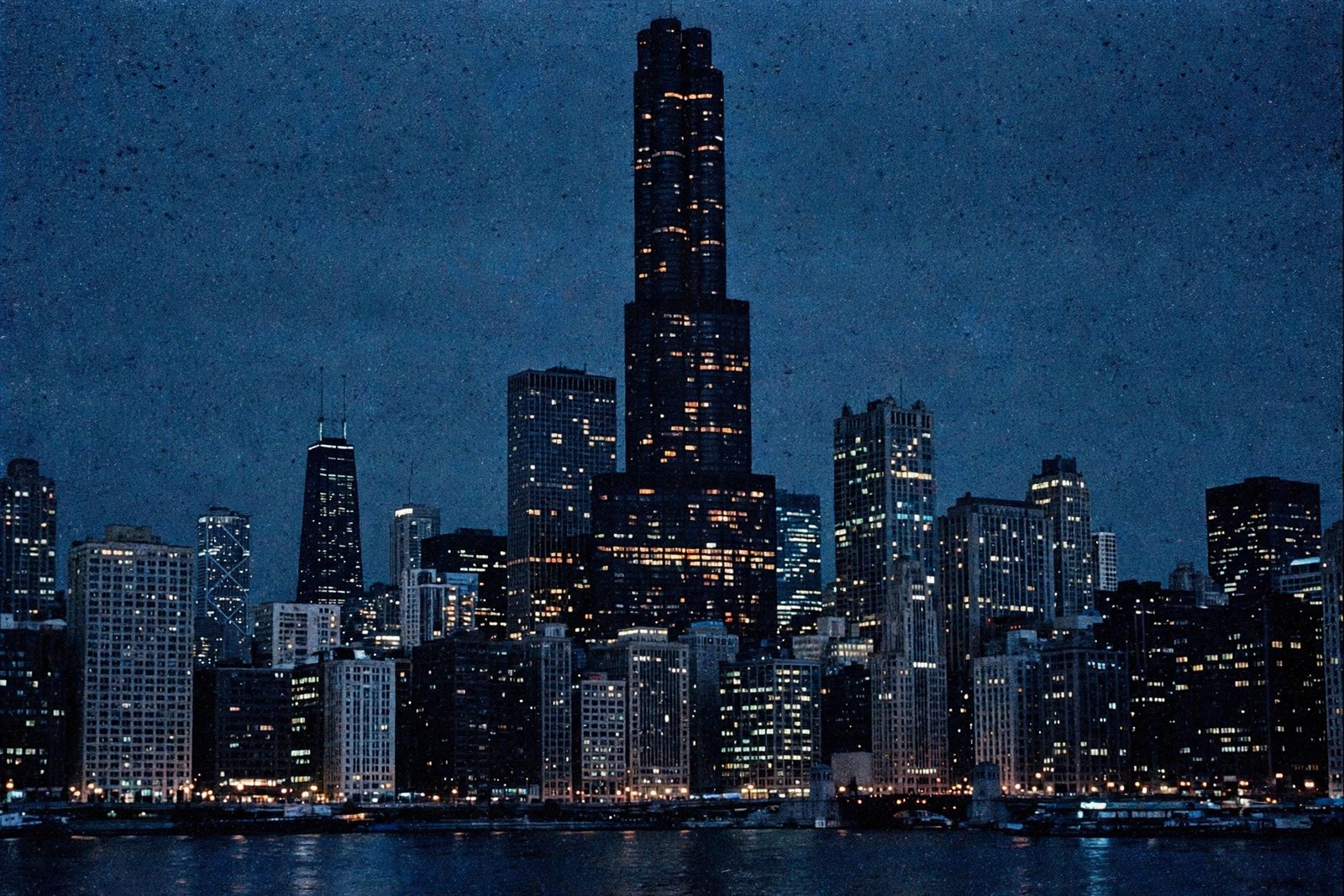
The FCC opened a criminal investigation immediately. It went nowhere — no one ever claimed responsibility, and no suspect was ever named.
An FCC official said the perpetrators faced up to a $100,000 fine and a year in prison. That threat expired: the five-year statute of limitations ran out in 1992. Even if identified today, they can’t face criminal punishment — yet nobody has talked. More unsolved cases: the Dyatlov Pass incident, Elisa Lam, and the Bermuda Triangle.
Who Do People Think Did It?
No one has ever claimed responsibility for the Max Headroom broadcast signal intrusion. The speculation has circled the same theories for decades — all unproven:
| Theory | Basis | Status |
|---|---|---|
| Disgruntled WGN insider | Would know the station’s studio-to-transmitter link frequencies; the first hit targeted WGN | Never proven |
| Chicago hacker underground | The stunt needed serious technical skill and expensive gear | Never proven; nobody claimed it |
| A small crew, not a lone wolf | The WTTW video shows at least two people: the masked figure and the second person with the flyswatter | All unidentified |
What Is the Cultural Impact of the Max Headroom Incident?
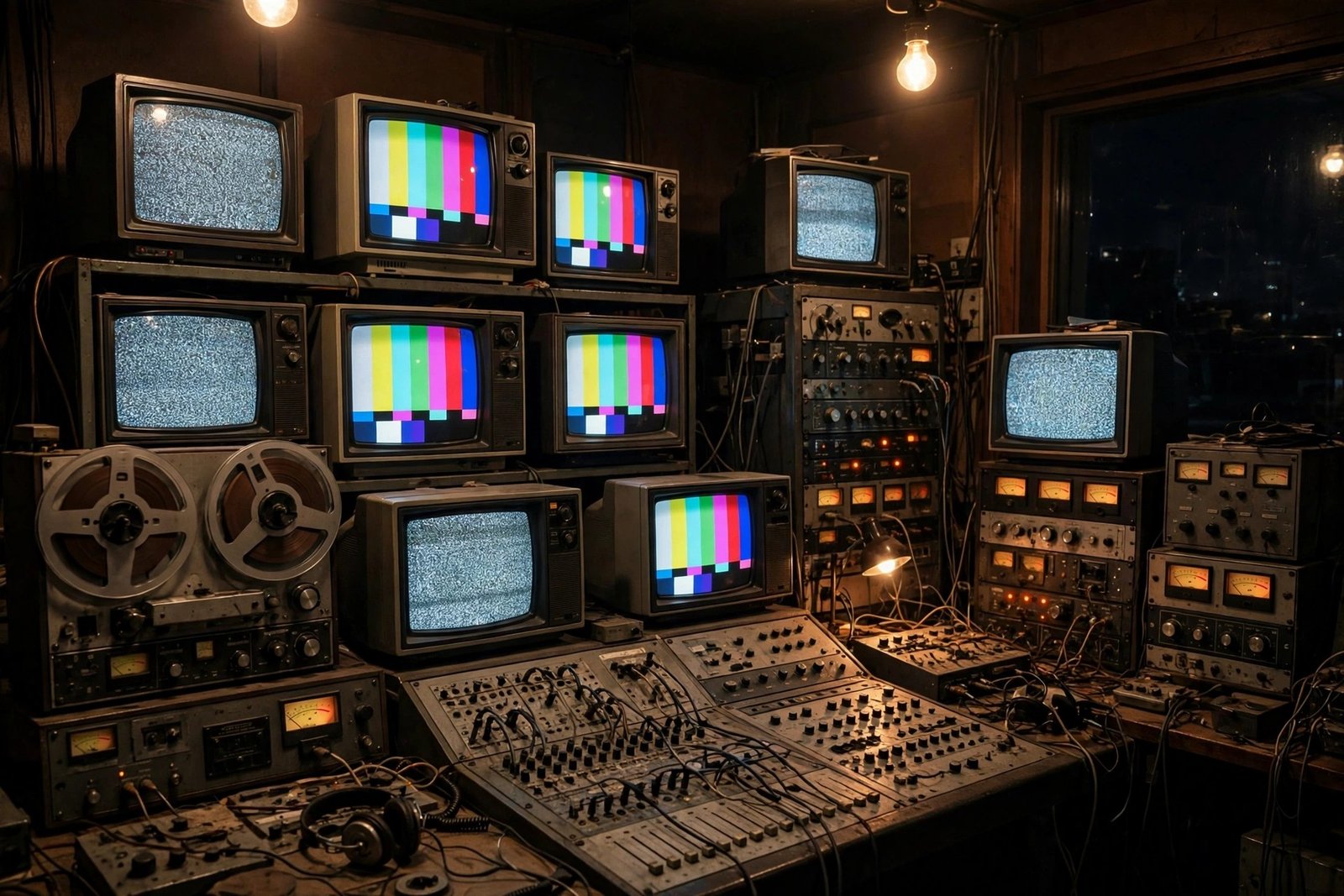
The incident became a cyberpunk legend. Motherboard later called it an influential “cyberpunk hacking trope,” and it keeps getting referenced: a Space Ghost Coast to Coast episode (“Freakshow”) spoofed pirate broadcasts, and the night after the hijack, WMAQ-TV’s Mark Giangreco spliced the pirate clips into his sports highlights — getting flooded with calls from viewers who thought the hijackers had struck his station too. The Max Headroom broadcast signal intrusion is still the benchmark every later broadcast-piracy stunt gets measured against.
Could This Happen Again Today?
Almost certainly not the same way. The 1987 hijack exploited analog broadcasting’s capture effect. When American TV switched from analog to digital in 2009, that door shut — digital signals don’t degrade into a pirate’s picture; they either decode or they don’t.
The Max Headroom broadcast signal intrusion marked the end of an era: within a few years, stations hardened their studio links and the FCC modernized enforcement.
It wasn’t even the first of its kind. Nineteen months earlier, in April 1986, a pirate calling himself “Captain Midnight” jammed HBO’s satellite feed over pricing — the first famous TV hijacking. The Max Headroom incident perfected the formula: a costume, a rant, and an unsolved mystery.
Who was the Max Headroom hacker?
Unknown. Despite an FCC investigation and decades of amateur sleuthing, no one has been identified. The main theories point to a disgruntled WGN insider or Chicago’s 1980s hacker scene — neither has any proof behind it.
What did the Max Headroom intruder actually say?
Through distorted audio, the figure mocked WGN’s Chuck Swirsky, referenced Max Headroom’s “Catch the wave” Coke ads while holding a Pepsi, hummed the Clutch Cargo theme, and ranted about “the Greatest World Newspaper nerds” — a dig at WGN’s call letters. It ended with the figure being spanked with a flyswatter.
How long did the Max Headroom incident last?
Two intrusions: about 25–30 seconds on WGN-TV at 9:14 p.m. (no audio), and about 90 seconds on WTTW around 11:20 p.m. (with audio), both on November 22, 1987. Engineers cut the first one off by changing frequencies; the hijackers ended the second themselves.
Was anyone punished for the hijacking?
No. The FCC investigated but never identified the culprits. They faced up to a $100,000 fine and a year in prison, but the five-year statute of limitations expired in 1992.
Frequently Asked Questions
What stations were hijacked?
WGN-TV (Channel 9) during its 9 p.m. newscast and WTTW (Channel 11, PBS) during Doctor Who — both in Chicago, on November 22, 1987.
How did the hijackers override the signal?
A stronger microwave transmission aimed at the stations’ towers triggered the “capture effect,” so viewers’ sets locked onto the pirate signal.
Why the Max Headroom mask?
Max Headroom was a popular stuttering AI character and Coca-Cola pitchman in the 1980s. The mask, sunglasses, and swiveling panel imitated his look — the motive beyond the joke is unknown.
Could a broadcast hijack like this happen today?
No. The 2009 switch from analog to digital TV closed the capture-effect loophole that made the 1987 hijack possible.
Why is the Max Headroom broadcast signal intrusion still famous?
Because it was technically daring, darkly comic, and completely unsolved — the Max Headroom broadcast signal intrusion is the mystery every later broadcast hack gets compared to.
More Unsolved Mysteries stories:
- Dyatlov Pass Incident Explained: 1959 Mystery
- Elisa Lam Cecil Hotel Mystery: 7 Theories vs Evidence
- Georgia Guidestones: Destroyed Mystery Explained
Sources: Max Headroom signal hijackings — Wikipedia • About NegativeVibeFix
This article presents traditional beliefs and folklore for informational purposes only, not as proven fact. If you experience persistent distress, please consult a qualified professional.