
Three days of battle. Fifty-one thousand casualties. And, if the stories are true, hundreds of soldiers who never left. Gettysburg ghost sightings make this small Pennsylvania town America’s most famous haunted battlefield — a place where visitors routinely report phantom soldiers, drifting mist, and the sound of drums on empty hills.
Last updated: 23 October 2026
Quick answer: Gettysburg’s ghost sightings center on six spots: Devil’s Den, Little Round Top, Sachs Covered Bridge, the Jennie Wade House, the Wheatfield, and the Farnsworth House Inn. Each pairs real Civil War history — the July 1863 battle — with decades of reported apparitions. You can visit all of them, several on guided night tours.
Key stats:
- Battle of Gettysburg: July 1–3, 1863 — the Civil War’s bloodiest battle, ~51,000 casualties.
- Jennie Wade, age 20, was the battle’s only direct civilian casualty (July 3, 1863).
- The Farnsworth House Inn (built 1810) still carries 100+ bullet holes from Confederate sharpshooters.
- Sachs Covered Bridge, built 1854, is about 100 yards long — and one of the most haunted bridges in America.
What are Gettysburg ghost sightings? Reported apparitions, sounds, and phenomena tied to the 1863 battle — concentrated at Devil’s Den, Little Round Top, Sachs Bridge, the Jennie Wade House, the Wheatfield, and the Farnsworth House Inn.
Why is Gettysburg so haunted?
The direct answer is scale. From July 1 to 3, 1863, around 165,000 men fought across these fields and ridges; roughly 51,000 were killed, wounded, or missing. Every farmhouse became a hospital, every barn a morgue. Folklore holds that violent, sudden death leaves an imprint — and Gettysburg had three days of it, concentrated on a few square miles.
Skeptics have a parallel explanation: 51,000 casualties plus millions of emotionally primed visitors create perfect conditions for ghost stories. The town leans into it — ghost tours are a major industry. The honest position: the sightings are a genuine cultural phenomenon, the history behind them is fully real, and whether the two connect is yours to decide. Background: the National Park Service’s Gettysburg National Military Park documents the battle itself.
| Spot | Its battle role | Reported phenomena |
|---|---|---|
| Devil’s Den | Sharpshooter fighting, July 2 | Barefoot boy, “Texan” soldier, camera failures |
| Little Round Top | 20th Maine’s bayonet charge, July 2 | Phantom drums, vanishing soldier |
| Sachs Bridge | Confederate retreat route | Mist figures, marching boots, cold spots |
| Jennie Wade House | Only civilian casualty, July 3 | Her apparition, smell of bread, moving objects |
| The Wheatfield | Changed hands six times, July 2 | Cannon thunder, rifle volleys, marching |
| Farnsworth Inn | Confederate sharpshooter nest | Lady in white, children laughing, soldiers |
1. Devil’s Den — the barefoot boy
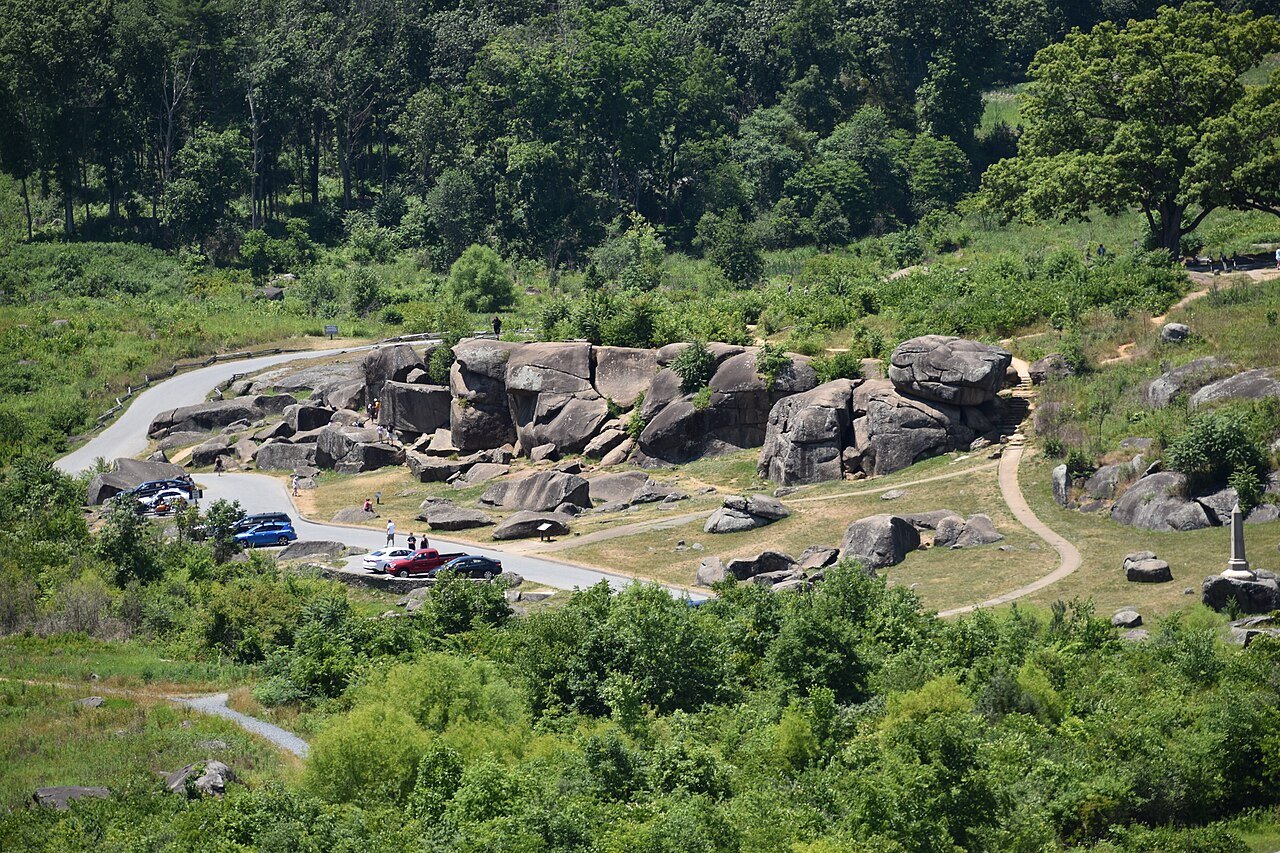
This jumble of massive boulders saw brutal sharpshooter fighting on July 2, 1863. The signature apparition here is a barefoot boy in a floppy hat who approaches visitors, asks for water or directions, then vanishes. Others report a “Texan” soldier who delivers a long speech before dissolving, and cameras that fail only within the Den’s rocks.
2. Little Round Top — phantom drums
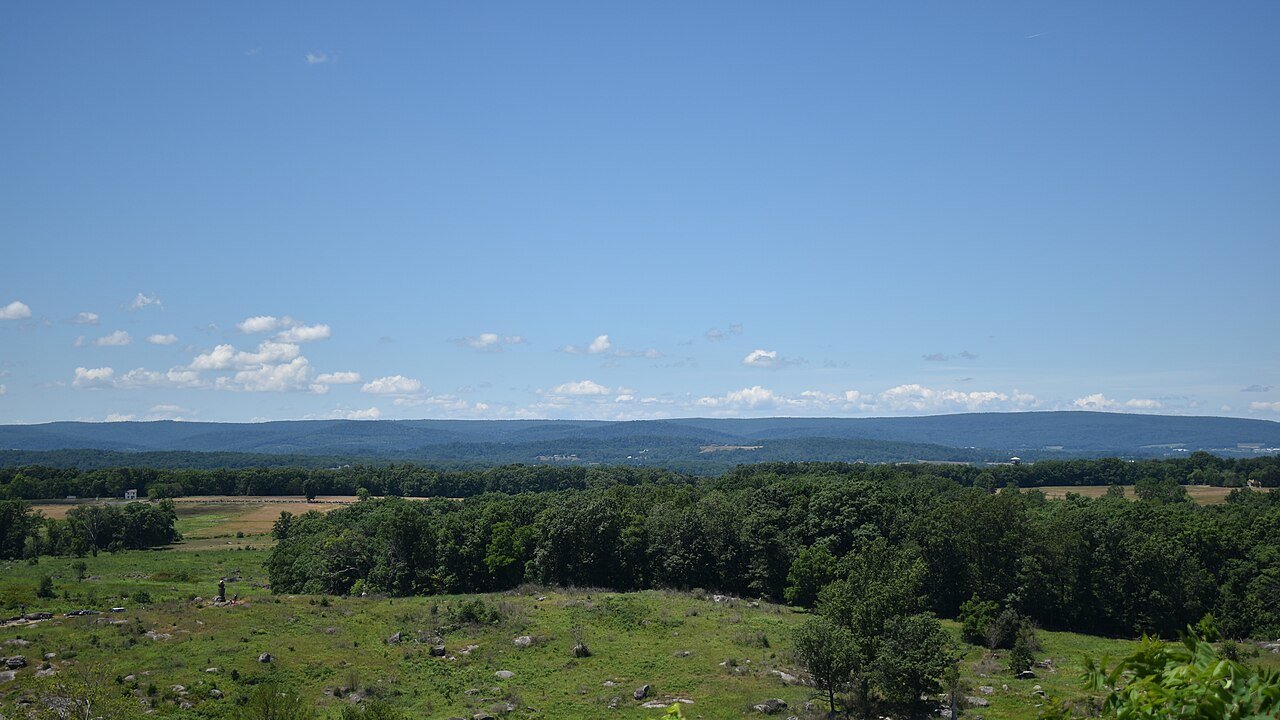
On July 2, Colonel Joshua Chamberlain’s 20th Maine held this hill with a desperate downhill bayonet charge — one of the battle’s most famous moments. Visitors report the sound of drums and marching on the empty summit, a soldier in a slouch hat who gives directions then disappears, and the smell of gunpowder with no source. Local legend even gives the drummer a name: Gideon, a Union drummer boy killed on the hill, whose drum visitors claim to hear at the exact spot where he died.
3. Sachs Covered Bridge — the hanged men
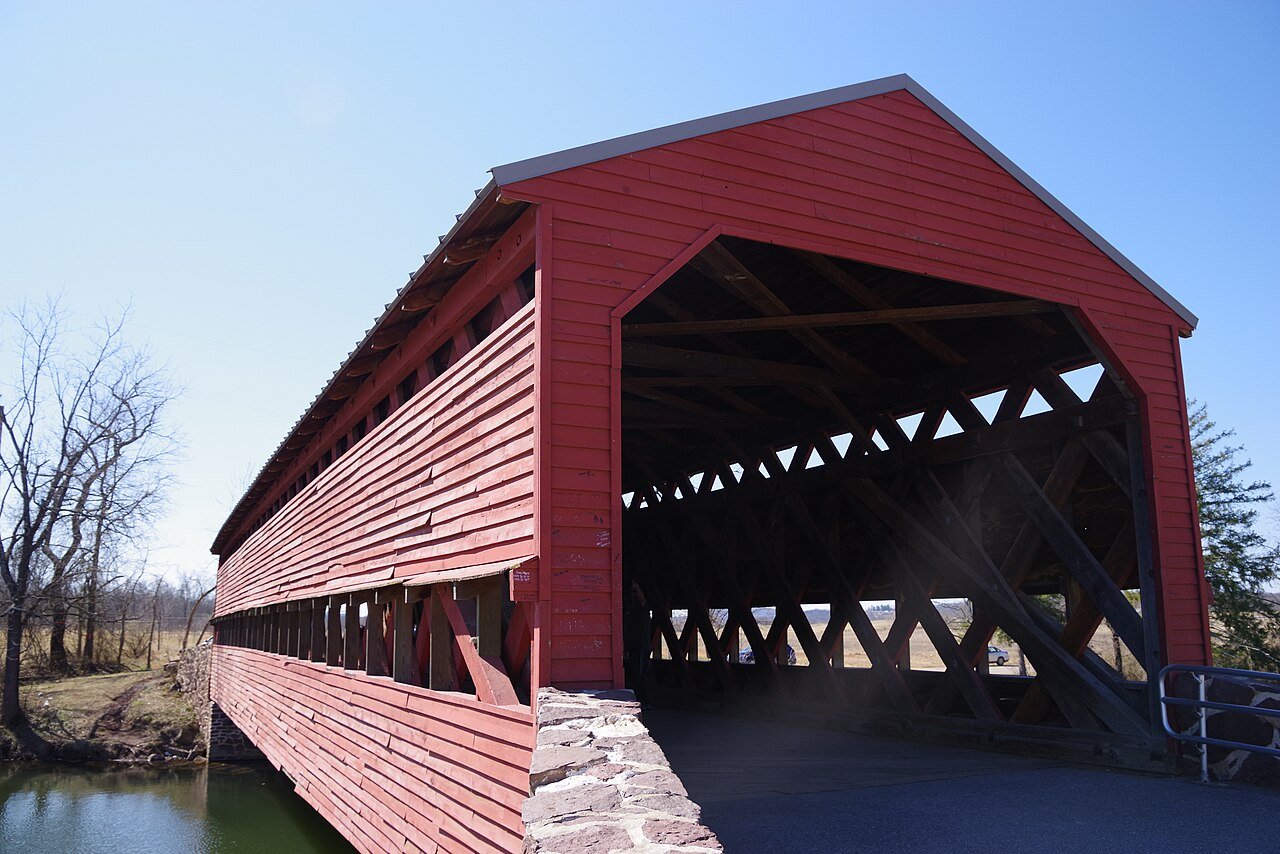
Built in 1854, this 100-yard red bridge carried retreating Confederate troops — and, legend says, deserters hanged from its rafters. Visitors report misty figures walking the bridge at night, the sound of marching boots on the wooden planks, and cold spots that move. It’s a favorite of paranormal TV crews for a reason.
4. Jennie Wade House — the only civilian
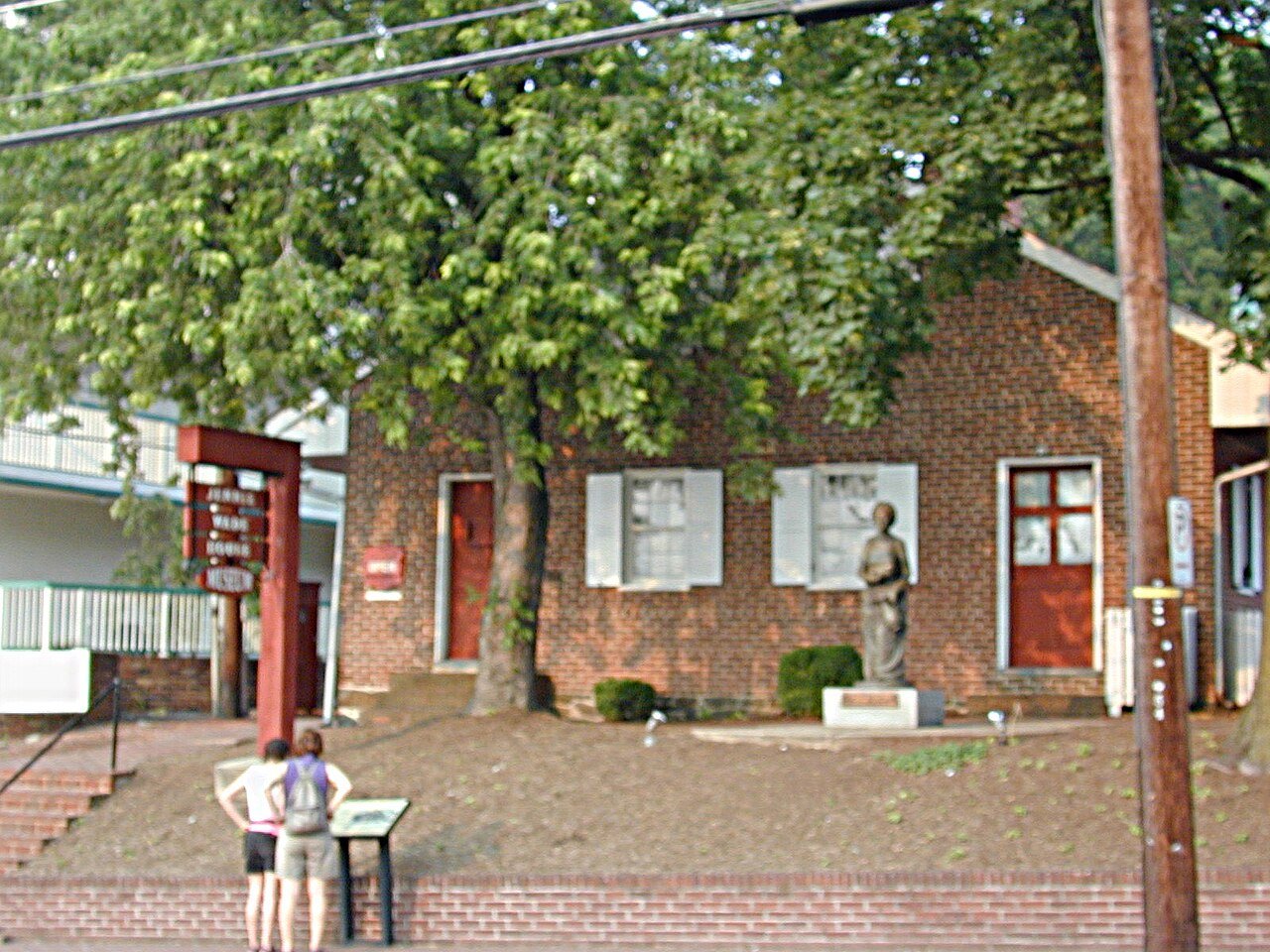
Mary Virginia “Jennie” Wade, 20, was baking bread for Union soldiers on July 3, 1863, when a stray bullet passed through two doors and killed her — the battle’s only direct civilian casualty. Her house on Baltimore Street is now a museum, and visitors report her apparition in period dress, the smell of fresh bread with no oven lit, and objects that move on their own.
5. The Wheatfield — the battle replay
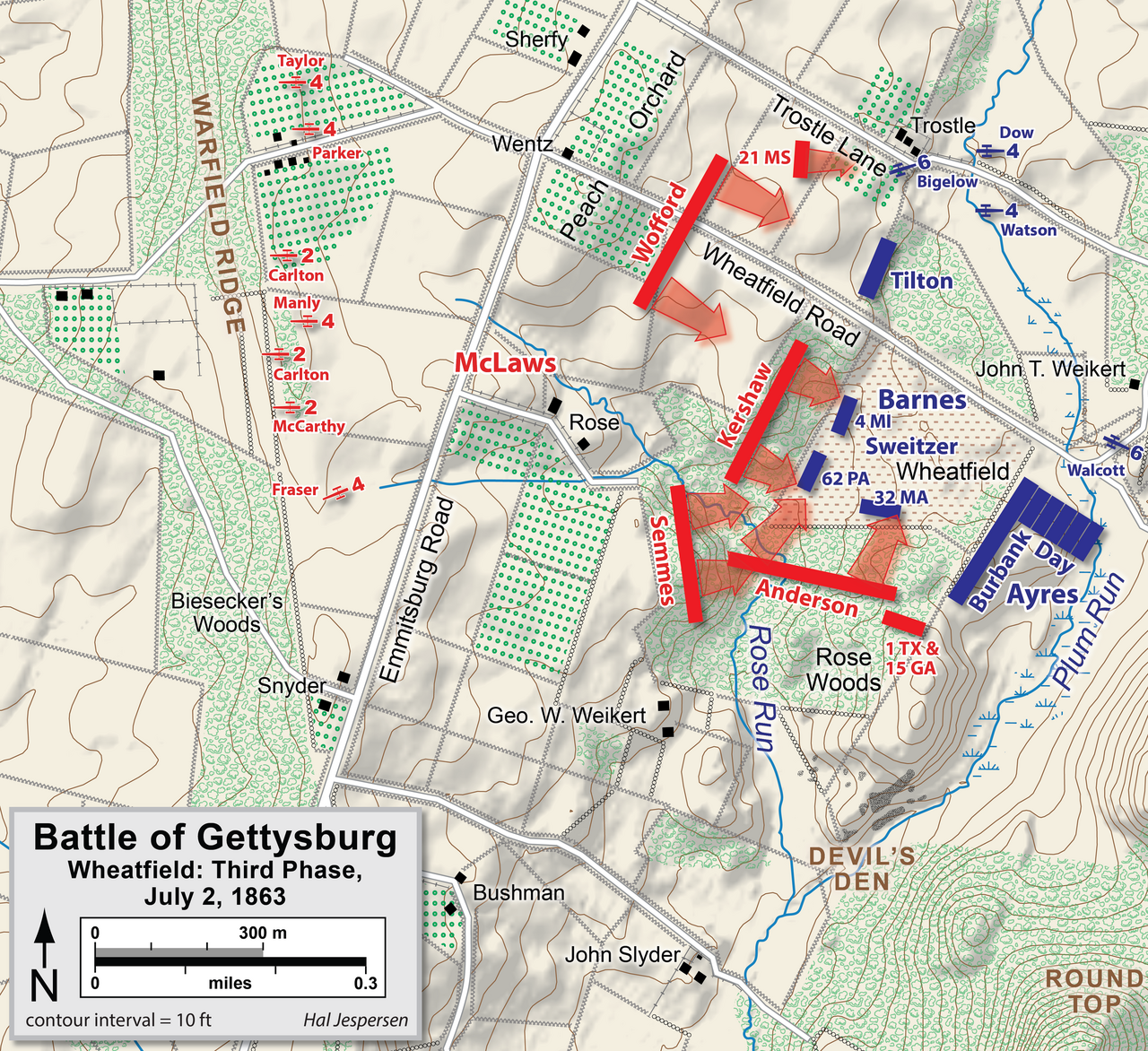
This 20-acre field changed hands six times on July 2, with some of the day’s bloodiest fighting. Reports here are less about single ghosts and more about “replays” — the distant thunder of cannon, rifle volleys, and marching men heard on still nights when the field stands empty. It’s the closest thing Gettysburg has to a residual haunting.
6. Farnsworth House Inn — the sharpshooters
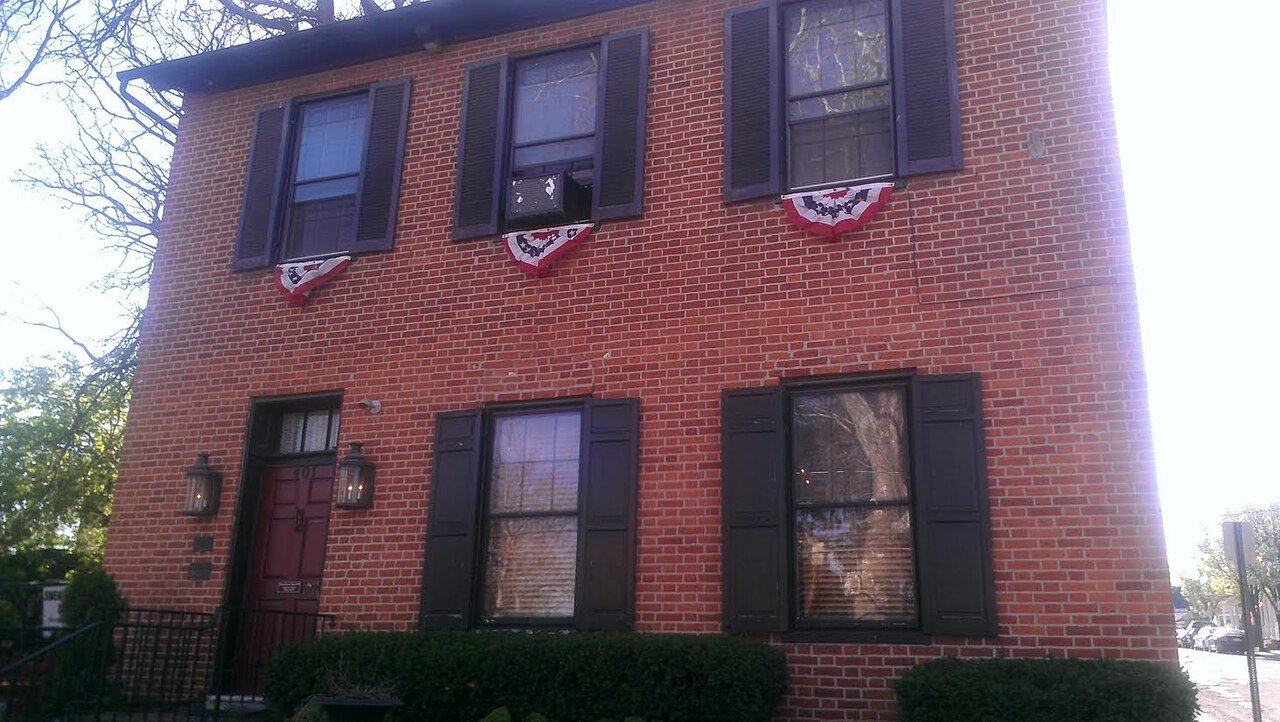
Built in 1810, this brick inn on Baltimore Street housed Confederate sharpshooters during the battle — and still carries more than 100 bullet holes in its walls. Guests report a “lady in white,” a midwife figure, children laughing in empty rooms, and soldiers who walk through walls. It doubles as one of America’s most haunted hotels; our most haunted hotels in America guide has more places you can actually sleep in.
The Ghosts That Haunt Gettysburg: the Scariest Sightings
Ask Gettysburg’s tour guides which ghosts frighten visitors most and the same names come up again and again. The table below collects the sightings that appear in nearly every guidebook and ghost-hunting report — from the drummer boy on Little Round Top to the nurse who never left her hotel. Mark Nesbitt’s Ghosts of Gettysburg (1991, ISBN 978-0-939631-41-4) was one of the first books to catalogue the battlefield’s reports.
| Ghost | Where it’s seen | The report |
|---|---|---|
| Gideon, the drummer boy | Little Round Top | Visitors claim to hear a drum at the exact spot where the Union drummer boy died |
| The Texas Soldier | Devil’s Den | A ragged, barefoot man in a floppy hat approaches visitors, then vanishes |
| Nurse Rachel | Gettysburg Hotel, room 311 | Drawers opened, clothes moved, a figure dancing in the ballroom |
| Jennie Wade | Jennie Wade House, Baltimore Street | Smell of fresh bread, objects moving on their own |
| The Phantom Regiment | Battlefield and town | Translucent soldiers marching at night, distant cannon fire |
The Ghost of the Texas Soldier
Devil’s Den has its own signature spirit. Visitors describe a disheveled man in ragged clothing and a floppy hat, barefoot, with shoulder-length hair — historians note this matches what Confederate soldiers from Texas looked like during the battle. The man approaches visitors and startles them, though he seems to mean no harm. Along with the apparition, people report sudden drops in temperature — and phones and cameras that die inside the rocks, then work again the moment they leave. The 1st Texas regiment fought under Major General John Bell Hood at Devil’s Den on the battle’s second day, which may explain the uniform.
The Ghost of Nurse Rachel
If you’d rather meet a ghost indoors, Gettysburg’s historic hotels oblige. The Gettysburg Hotel, built in 1797, is said to host Nurse Rachel, a Civil War nurse still practicing her bedside manner in the afterlife. She is most often seen in room 311, once her guest room: visitors report drawers opened and rummaged through, clothes removed, and a figure dancing in the hotel ballroom. Some guests feel watched while alone in their rooms; others say they feel a comforting presence when she is near. How Rachel died remains a mystery — but the story says she was so devoted to her calling that she never left her post.
Lincoln’s Ghost — the White House
Gettysburg’s most famous ghost story isn’t in Gettysburg at all. Abraham Lincoln has long been said to haunt the White House. First Lady Grace Coolidge, wife of President Calvin Coolidge, was the first to claim a sighting — she said she saw Lincoln gazing sadly at the Potomac from the Oval Office. During World War II, both Queen Wilhelmina of the Netherlands and Eleanor Roosevelt reportedly saw him in the Lincoln Bedroom; the Queen admitted she fainted afterward. Margaret Truman heard mysterious tapping so often that Harry Truman ordered renovations. Maureen Reagan claimed a sighting during her father Ronald Reagan’s administration. The last reported sighting came in the early 1980s, when White House operations foreman Tony Savoy said he saw Lincoln sitting in a chair at the top of some stairs. Lincoln’s son Willie, who died in the White House during his father’s presidency, is also said to haunt it — a maid during Ulysses S. Grant’s administration reported seeing the boy’s ghost. Beyond Washington, Lincoln’s ghost has been claimed at his grave in Springfield, Illinois, and as a phantom funeral train on April nights along the route his funeral train took from Washington to Springfield.
Haunted Battlefields Beyond Gettysburg
Gettysburg gets the most attention, but it isn’t the only Civil War battlefield with ghost stories:
| Battlefield | Location | Reported phenomena |
|---|---|---|
| Sharpsburg (Antietam) | Maryland | Union and Confederate ghosts seen placing and firing artillery at each other |
| Chickamauga | Georgia | Long-running ghost stories from the bloodiest battle of the war’s western theater |
| Kolb Farm | Northern Georgia | A farmhouse said to be haunted by a ghost of the battle |
| Fort Davidson | Pilot Knob, Missouri | Cannons heard in the middle of the night; shadows of soldiers seen walking |
Can you visit Gettysburg’s haunted spots?
Yes — all six are accessible. The battlefield is open to self-guided visits until 10 PM, and licensed ghost tours leave nightly from downtown Gettysburg (Steinwehr Avenue and Baltimore Street are the main strips). The Jennie Wade House runs daytime tours; the Farnsworth House Inn offers ghost tours and — if you’re brave — overnight stays.
Practical tips: book tours ahead in summer and October (they sell out); bring a jacket for the evening battlefield walks; and download the park’s official maps before you go — cell signal is patchy on the ridges.
Book a Gettysburg Ghost Tour and See for Yourself
Reading about ghosts is one thing; walking the field at night is another. Gettysburg’s ghost tours leave from downtown — Steinwehr Avenue and Baltimore Street are the main strips — and run nightly in season. Eight separate companies offer ghost tours in Gettysburg, some seasonally and some all year round. The Gettysburg Ghost Tours site refreshed its “most chilling sightings” guide in October 2025, and its listed contact number starts with 717 — the area code for south-central Pennsylvania, Gettysburg included (the town’s ZIP is 17325). If you’re booking for a large group, contact the operator directly rather than relying on walk-up spots. October and summer weekends sell out fast, and if you want a real ghost hunt rather than a storytelling walk, ask which tours allow EMF meters and recorders. The park’s official planning pages live at https://www.nps.gov/gett — check hours before you go, since the battlefield closes at 10 PM. Our About page explains how we research these stories. (Ghosts of Gettysburg tours)
People also ask
What are the most haunted spots in Gettysburg?
Devil’s Den (the barefoot boy), Little Round Top (phantom drummers), Sachs Covered Bridge (hanged ghosts), the Jennie Wade House (the only civilian casualty), the Wheatfield (battle replays), and the Farnsworth House Inn (sharpshooters). Each pairs documented 1863 battle history with decades of visitor reports.
Is Gettysburg really haunted?
It’s America’s most reported haunted battlefield — investigators and TV crews have documented claims there for decades. Skeptics point to 51,000 casualties plus millions of primed visitors as perfect ghost-story conditions. The history is fully real; whether the sightings connect to it is yours to decide.
Can you visit Gettysburg at night?
Yes. Licensed ghost tours run nightly from downtown Gettysburg, and the battlefield stays open until 10 PM for self-guided evening walks. The Jennie Wade House and Farnsworth House Inn run their own tours. Book ahead in summer and October — tours sell out.
Who is the ghost of Gettysburg?
There’s no single one — reported figures include the barefoot boy at Devil’s Den, phantom soldiers at the Wheatfield, and Jennie Wade herself on Baltimore Street. The most famous belongs to the battle’s only civilian casualty: 20-year-old Jennie Wade, killed by a stray bullet on July 3, 1863.
More Haunted stories
- Most Haunted Hotels in America You Can Stay At
- The Sallie House Haunting: Kansas’s Most Terrifying Home
- Edinburgh Vaults: Ghost Tours and Underground Stories
This article presents traditional beliefs and folklore for informational purposes only, not as proven fact. If you experience persistent distress, please consult a qualified professional.