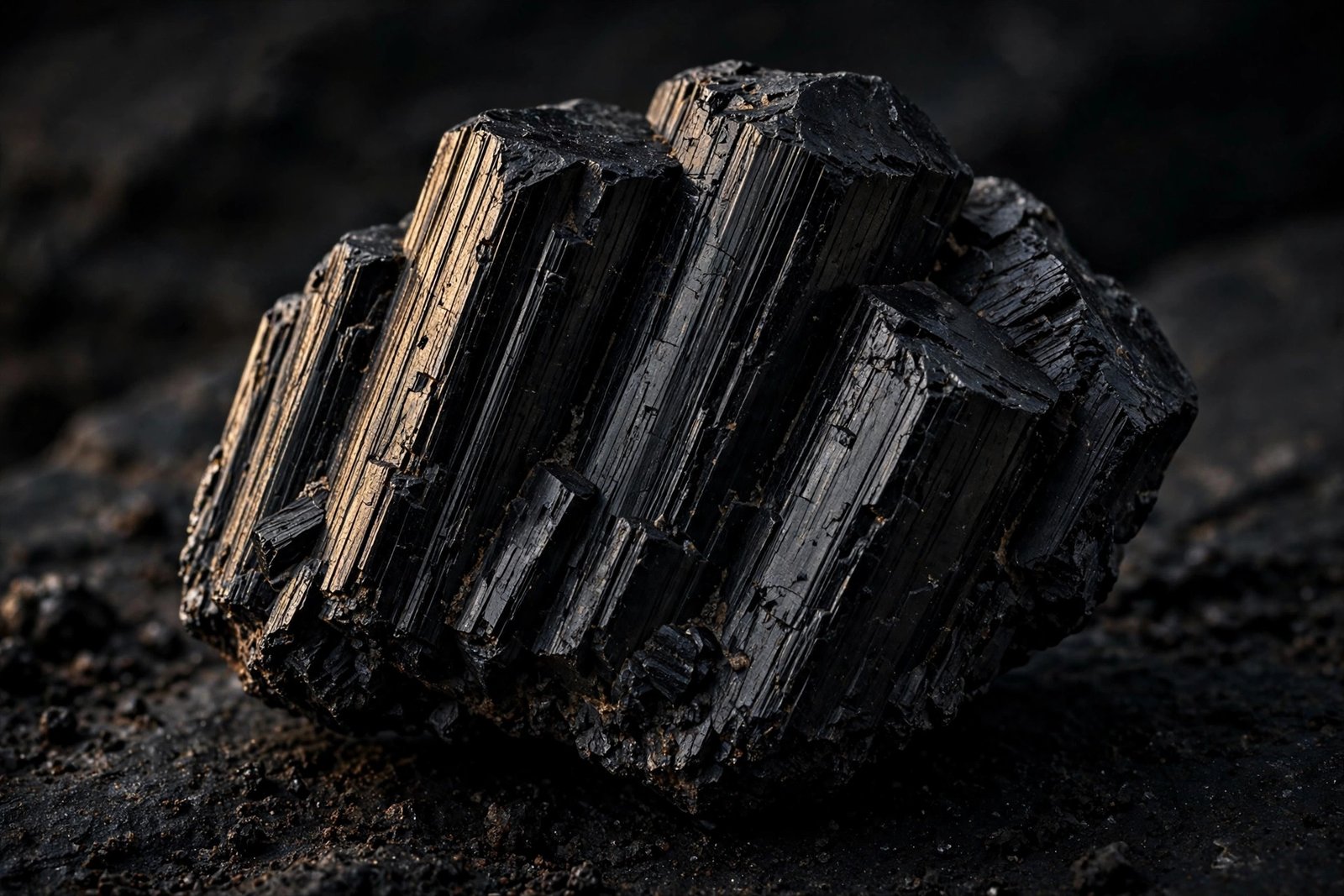
Walk into any crystal shop and ask for the most popular protection stone, and you will almost certainly be handed a piece of black tourmaline. For centuries, cultures around the world have prized black tourmaline for protection — carrying it, placing it at doorways, and wearing it as jewelry to ward off negativity. But what exactly is this stone, what do traditions claim it does, and how do you use it properly? This guide covers everything: meaning, traditional benefits, practical use, cleansing, and how to avoid fakes.
Quick answer: Black tourmaline is a black crystal traditionally believed to absorb negative energy and protect against the evil eye. Common uses: carrying it in a pocket, wearing it as a bracelet, or placing it near your front door. Per crystal traditions, cleanse it monthly under running water and recharge in moonlight.
What Is Black Tourmaline?
Black tourmaline — mineral name schorl — is a black, striated crystal belonging to the tourmaline family, one of the most chemically complex mineral groups on Earth. It forms in long, ridged columns, often with a triangular cross-section, and is found in Brazil, India, Afghanistan, Pakistan, the USA, and parts of Africa.
What makes it unusual even in purely physical terms: tourmaline is pyroelectric and piezoelectric, meaning it generates a small electric charge when heated or squeezed. This real, measurable property is part of why the stone has fascinated humans for so long — ancient peoples noticed it attracting ash and dust when warmed, which fed its reputation as a stone that “pulls in” unwanted influences.
In metaphysical traditions, black tourmaline for protection is associated with the root chakra — grounding, stability, and safety. It is considered a premier “warding” stone, traditionally used to create energetic boundaries.
Traditional Protective Properties of Black Tourmaline
Crystal healing traditions attribute several protective qualities to black tourmaline. Presented here as traditional beliefs, these include:
- Shielding from negativity: the stone is traditionally believed to form a protective shield around the wearer, deflecting negative intentions, jealousy (“evil eye”), and draining atmospheres.
- Grounding excess energy: practitioners use it to “ground” scattered, anxious energy — holding it during stressful moments or meditation.
- Space protection: placing pieces at the four corners of a home, near the main door, or under the bed is a widespread folk practice for guarding a space.
- EMF protection: a modern folk claim holds that black tourmaline shields against electromagnetic fields from phones and Wi-Fi. There is no scientific evidence for this, though the stone’s real pyroelectric nature makes the idea intuitively appealing to believers.
- Psychic protection: in esoteric traditions, it is carried during spiritual work as protection against unwanted influences.
None of these effects has been demonstrated in controlled studies. Crystal healing is a complementary spiritual practice, not a medical treatment — a distinction responsible practitioners maintain.
How to Use Black Tourmaline for Protection
Traditional methods of using the stone:
- Carry it: keep a small tumbled stone in your pocket or bag, especially when entering stressful environments. The physical act of touching it can itself be calming — a grounding anchor.
- Wear it: bracelets and pendants keep the stone in contact with the body. Tradition holds the left hand (receiving side) is best for protection pieces.
- Guard your doorway: place a raw piece near the main entrance — one of the oldest folk uses, symbolizing a threshold guardian.
- Bedroom placement: a piece on the nightstand is traditionally used for undisturbed sleep; pair it with a calm bedtime routine.
- Workspace: many people keep one on their desk, traditionally for focus and shielding from workplace negativity.
- Meditation: hold it during grounding meditations, visualizing roots extending into the earth.
Combine the stone with practical protection too — and explore more stones in our crystals and remedies guide: boundaries with draining people, good sleep, and stress management do the heavy lifting — the crystal is a supportive ritual object. Those who wear black tourmaline for protection daily often report that the simple act of touching the stone becomes a calming anchor in tense moments. Explore more in our aura defense guide.
Cleansing Your Black Tourmaline for Protection
Tradition holds that protective stones absorb negativity and need regular “cleansing” to keep working. Common traditional methods:
- Running water: hold under cool running water for a minute, visualizing heaviness washing away. (Black tourmaline is relatively hard — Mohs 7–7.5 — so brief rinsing is safe; avoid prolonged soaking of raw pieces with fragile inclusions.)
- Smoke cleansing: pass through sage, palo santo, or dhoop smoke.
- Moonlight: leave overnight under moonlight, traditionally during the full moon.
- Salt: rest on a bed of dry sea salt for a few hours — do not soak in salt water, which can damage some stones.
- Intention: hold the stone and state your purpose. Practitioners consider this as important as any physical method.
“Charging” usually means placing the cleansed stone in morning sunlight briefly or simply re-dedicating it with intention. For stones needing deeper refreshment, see salt-based cleansing methods. Cleanse frequency in tradition: weekly for daily-carry pieces, monthly for decorative ones, and always after gifting or buying.
How to Spot Fake Black Tourmaline
Because it is popular, black tourmaline is sometimes faked. Watch for:
- Suspiciously perfect: real tourmaline has natural striations (lengthwise ridges) and minor imperfections. Glass fakes look flawlessly smooth.
- Wrong weight and temperature: real stone feels cool and has heft; plastic imitations feel warm and light.
- Scratch test: tourmaline (Mohs 7–7.5) scratches glass; glass fakes won’t. (Test discreetly on the seller’s terms.)
- Price too good: large “tourmaline” pieces sold suspiciously cheap are often dyed agate or glass.
- Buy from reputable sellers who can name the stone’s origin and accept returns.
The Practical View
Geologists value black tourmaline as a fascinating mineral; psychologists note that carrying a “protection” object can genuinely reduce anxiety through the same mechanisms as lucky charms and worry stones — ritual, intention, and a tangible focus for calm. If a small black stone in your pocket helps you feel steadier walking into a difficult meeting, that benefit is real, whatever its mechanism.
What it cannot do: replace medical treatment, fix a toxic workplace, or substitute for real boundaries. Use it as a complement to practical action, not a replacement — and be wary of anyone selling expensive “miracle” stones with medical claims.
Black Tourmaline vs Other Protection Crystals
Black tourmaline dominates protection talk, but it’s not the only stone in the tradition. Here’s how it compares — so you can choose (or combine) with open eyes.
- Black tourmaline: the grounding workhorse. Traditionally linked with absorbing negativity and electromagnetic stress. Affordable, widely available, hard to fake badly. Best for: daily carry, entrances, desks.
- Amethyst: the calming stone — traditionally tied to peaceful sleep and clear thinking rather than “shielding.” Best for: nightstands, meditation corners. Pair it with tourmaline if you want calm and protection.
- Clear quartz: traditionally an “amplifier” — said to strengthen whatever intention or stone it’s paired with. Best for: combining with tourmaline in a small grid or pouch.
- Obsidian: volcanic glass with a similar protective reputation to tourmaline, but sharper energy in folklore — traditionally for cutting ties, not daily wear. Handle its symbolism with care.
- Tiger’s eye: traditionally linked with courage and clear decision-making — protection through confidence rather than shielding.
Honest note: no crystal has scientifically demonstrated protective properties. Their value is traditional, symbolic, and psychological — a meaningful object that reminds you to hold boundaries. Within that frame, the best crystal is the one whose meaning resonates with you, not the most expensive one.
Building a Simple Protection Kit
Instead of collecting dozens of stones, assemble one small kit: a black tourmaline for carrying, an amethyst for the bedroom, and a small clear quartz to pair with either. Cleanse them monthly (moonlight, running water, or simply resting them away from clutter), and replace the ritual — not the stones — when life gets heavy. The kit supports your boundaries; it never replaces them.
Frequently Asked Questions
What is black tourmaline good for?
Traditionally, black tourmaline is used for protection, grounding, and shielding from negativity — carried on the body, placed at doorways, or used in meditation. These are traditional beliefs, not medically proven effects.
Where should I place black tourmaline in my home?
Folk practice places it near the main entrance, in the four corners of a room, or on a nightstand. From a practical view, visible placement also serves as a daily reminder of your intention to keep the space calm.
Can black tourmaline go in water?
Brief rinsing under running water is traditionally used for cleansing and is physically safe for tourmaline (Mohs 7–7.5). Avoid prolonged soaking, especially in salt water, which can damage raw specimens over time.
How do I know my black tourmaline is real?
Look for natural lengthwise striations, a cool heavy feel, and buy from reputable sellers. Real tourmaline scratches glass; plastic or glass fakes feel light and look flawlessly smooth.
This article presents traditional beliefs and folklore for informational purposes only, not as proven fact. If you experience persistent distress, please consult a qualified professional.