Last updated: October 24, 2026
A banshee is a female spirit from banshee Irish mythology who warns a family that someone is about to die — she never causes the death herself. In Gaelic her name is bean sí (“woman of the fairy mound”), and her piercing wail, called keening, is one of folklore’s most famous sounds.
- Name origin: Old Irish ben síde → Modern Irish bean sí, “woman of the fairy mound”
- Earliest accounts: 8th-century Irish texts; Croker’s Fairy Legends and Traditions of the South of Ireland (1825)
- Five great families: O’Neill, O’Brien, O’Connor, O’Grady, Kavanagh — each said to have its own banshee
- Three traditional forms: old crone, veiled matron, or young woman combing her hair
- Celtic cousins: Scotland’s bean nighe (washerwoman), Wales’s cyhyraeth, Brittany’s kanerez noz
What is a banshee? A banshee is a wailing female fairy spirit in Irish folklore who appears — or is heard — shortly before the death of a family member, acting as a supernatural mourner rather than a killer.
What is a banshee irish mythology: What is a banshee irish mythology: What Does a Banshee Look Like in Irish Mythology?
She has no single fixed form. Across Ireland she’s described in three: a wizened crone with white hair and red weeping eyes; a stately lady in a grey or green cloak, sometimes veiled; or a beautiful young woman combing her long hair by moonlight.
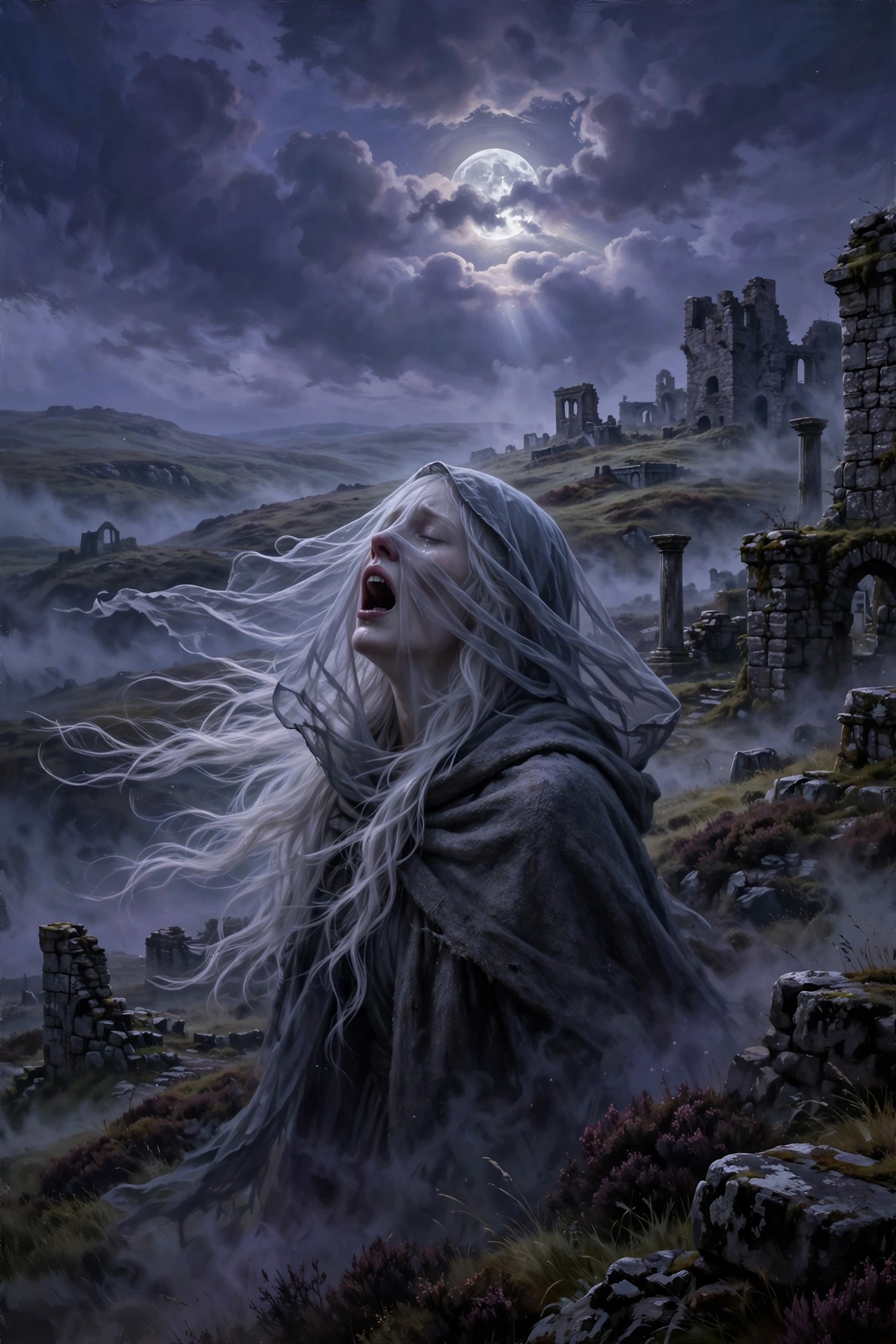
Some accounts add stranger details: she might appear headless carrying a bowl of blood, or take animal shape — a crow, hare, weasel, or stoat. The three human forms echo the old Celtic maiden-mother-crone pattern, hinting she was never one single ghost but a type of spirit, perhaps an ancestral mother still watching her descendants. The constants: always female, always mournful, never violent.
Where Did the Banshee Legend Come From in Irish Mythology?
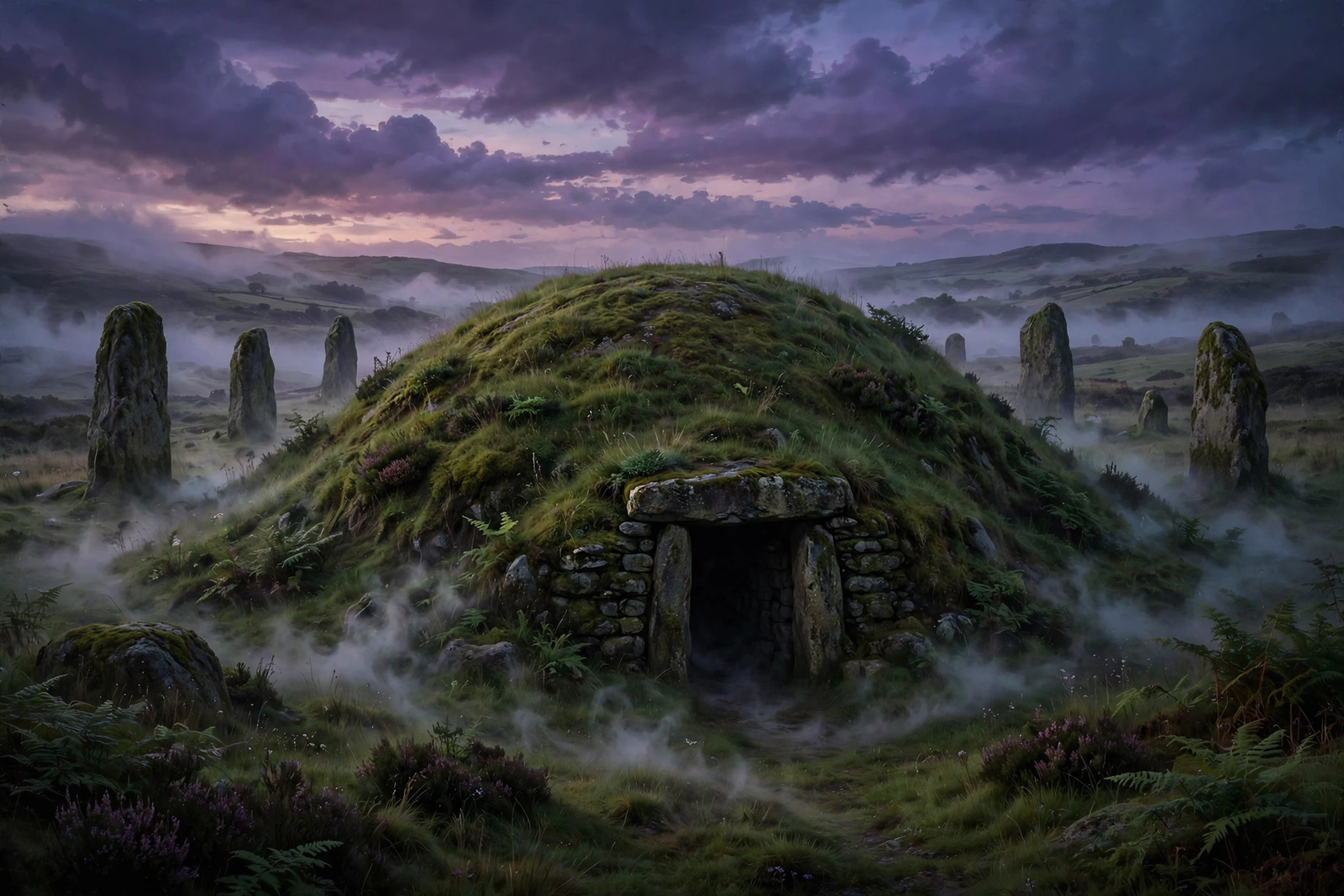
The legend has two roots. The first is the Aos Sí — the “people of the mounds” — the fairies of Gaelic belief, said to live inside ancient burial mounds (síde) across Ireland. A bean sí was one of those mound-women: a fairy spirit bound to the land, and through it, to local families.
The second root is keening (caoineadh), the old Irish funeral custom of hiring women to wail laments so the community could grieve aloud. The banshee looks like that practice given supernatural form: a woman who does the mourning before the funeral happens. References appear in Irish texts as early as the 8th century, and belief was once so widespread that doubting it bordered on sacrilege. Some historians link her to the war-goddess Morrigan — a theory, not settled fact — and the documented history of the banshee shows her shifting from land-spirit to family guardian as Christianity blended with older beliefs.
The banshee left a paper trail too: R. Prowse’s 1862 illustration “The Banshee Appears”; W. B. Yeats’s Fairy and Folk Tales of the Irish Peasantry (1888); D. R. McAnally Jr.’s Irish Wonders (1888); and Elliott O’Donnell’s 1907 book The Banshee.
The same wailing woman appears across Celtic lands under different names:
| Name | Region | Role |
|---|---|---|
| Bean sí | Ireland | Wails before a family death |
| Bean nighe | Scotland | Washerwoman scrubbing the clothes of the doomed |
| Cyhyraeth | Wales | Wailing omen of death |
| Kanerez noz | Brittany | “Night singers” who wail warnings |
Why Do Banshees Follow Only Certain Irish Families?
The banshee wasn’t free-roaming — she was attached to particular old Irish families, especially O’ and Mac surnames. The five named most often in the old accounts:
| Family | What the lore says |
|---|---|
| O’Neill | Said to hold its own banshee |
| O’Brien | Said to hold its own banshee |
| O’Connor | Said to hold its own banshee |
| O’Grady | Said to hold its own banshee |
| Kavanagh | Said to hold its own banshee |
Likely she began as an ancestral spirit — a long-dead matriarch tied to her bloodline. That explains the lore’s oddest claim: each family’s banshee had her own cry, a mournful signature — and why she was feared but rarely hated.
What Does a Banshee’s Cry Sound Like — and Who Hears It?
Old accounts describe a high, piercing wail that starts low and climbs until it fills the night — part weeping, part wind. The Irish called it keening, and said it carried for miles.
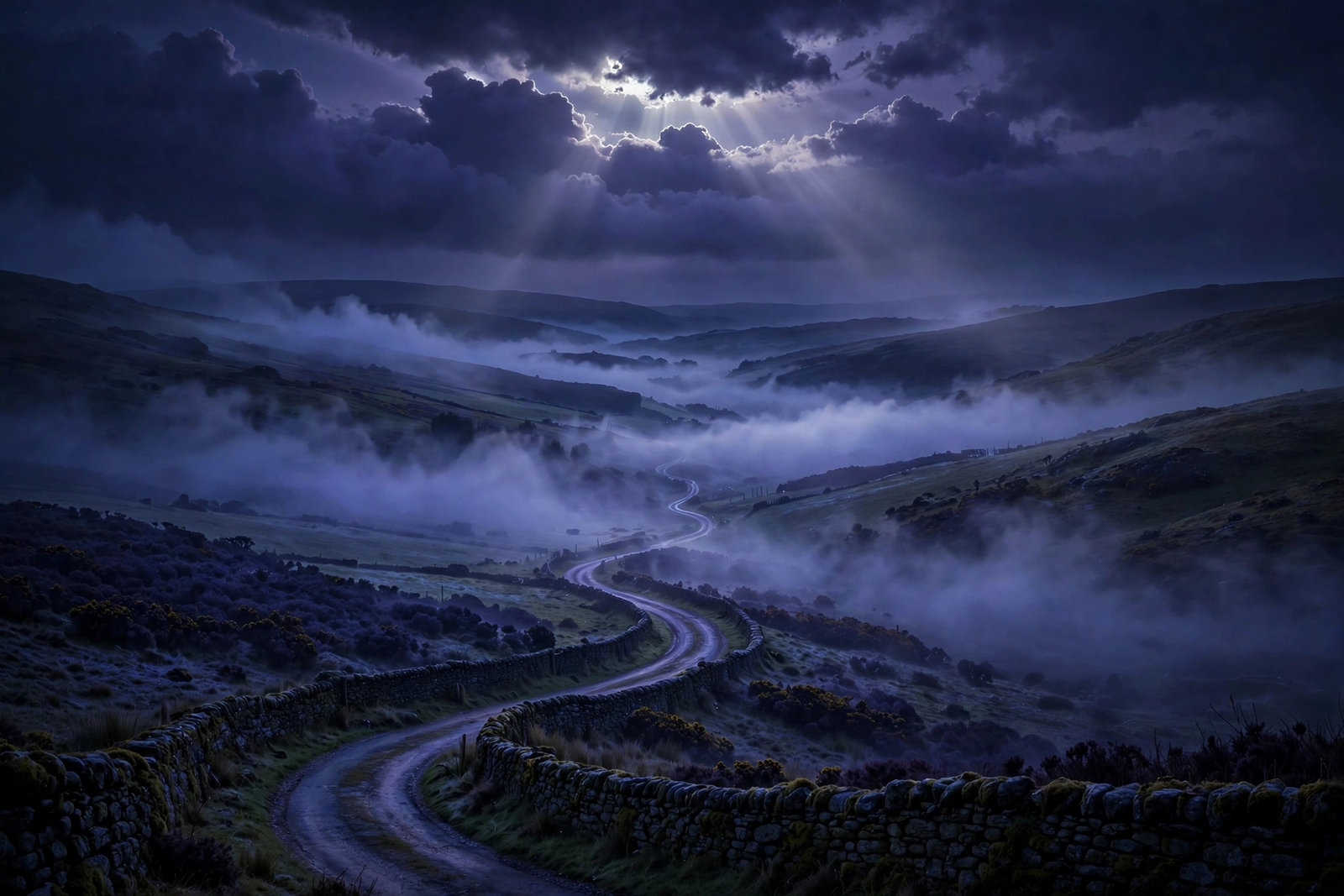
Who hears it varies by tale: in some, only the person marked for death hears her — a private farewell. In others, the whole household wakes to her lament and knows a death is coming. The lore even has an escalation: one banshee mourns an ordinary death, but several wailing together meant someone of great importance was about to die.
Is the Banshee Evil? Banshee vs Ghost vs Grim Reaper
No — that’s the most misunderstood thing about her. The banshee doesn’t kill, curse, or haunt; she warns. Old stories paint her as a sorrowful messenger, sometimes protective of her family. Horror films made her a shrieking killer, but that’s Hollywood, not Ireland:
| Figure | What it is | Role in death |
|---|---|---|
| Banshee | Fairy spirit tied to a family line | Warns of death before it happens; causes nothing |
| Ghost | Spirit of a specific dead person | Lingers after death, tied to a place or unfinished business |
| Grim Reaper | Personification of death itself | Actively collects souls; death’s agent, not its announcer |
The banshee is the one who cries because you’re leaving — which is why Irish families spoke of theirs with unease but also respect. For a similar warning-figure from another tradition, see the skinwalker of Navajo legend.
The Rational Side: What Did People Actually Hear?
Folklorists have a solid answer for the wail. Ireland’s night countryside is full of chilling sounds: a red fox’s scream, which sounds shockingly like a woman crying; wind funnelling through hills and stone walls; a barn owl’s screech. Heard half-asleep in a house where someone lies gravely ill, any of these could become a banshee.
Grief also primes the brain to find patterns — auditory pareidolia — so in a culture where everyone knew what a banshee sounded like, a strange cry had a ready-made answer. Similar tales surround hearing your name called when no one is there.
People Also Ask About Banshees
Can a banshee hurt you?
According to the legends, no — no old Irish account describes her harming anyone. The fear came from what her cry predicted, never from anything she did.
What happens if you hear a banshee cry?
The old belief says a death in the family is near — heard by the doomed person alone in some versions, the whole house in others. She announces; she doesn’t decide.
Is the banshee real?
No scientific evidence exists for banshees. Scholars trace the legend to keening tradition plus natural night sounds, shaped by Ireland’s cultural fairy belief. Dublin’s National Folklore Collection still archives hundreds of accounts.
Frequently Asked Questions
Can a banshee hurt you or cause death?
In folklore, no — she never causes death, only warns of it. Her wail is a lament, not a weapon.
What does it mean if you hear a banshee cry?
Legend says a death in the family is near — heard by the fated person alone or the whole household.
Is the banshee real?
No scientific evidence exists. Folklorists link the legend to keening tradition and night sounds.
What is the difference between a banshee and a ghost?
A ghost is a dead person’s spirit tied to a place. A banshee is a fairy spirit tied to a family line — an announcer, not a leftover soul.
More Mythology Stories
- What Is a Skinwalker? Navajo Legend Explained
- Skinwalker Ranch Explained: What Really Happened There
- Loch Ness Monster Sightings: Full History
This article presents traditional beliefs and folklore for informational purposes only, not as proven fact. If you experience persistent distress, please consult a qualified professional.