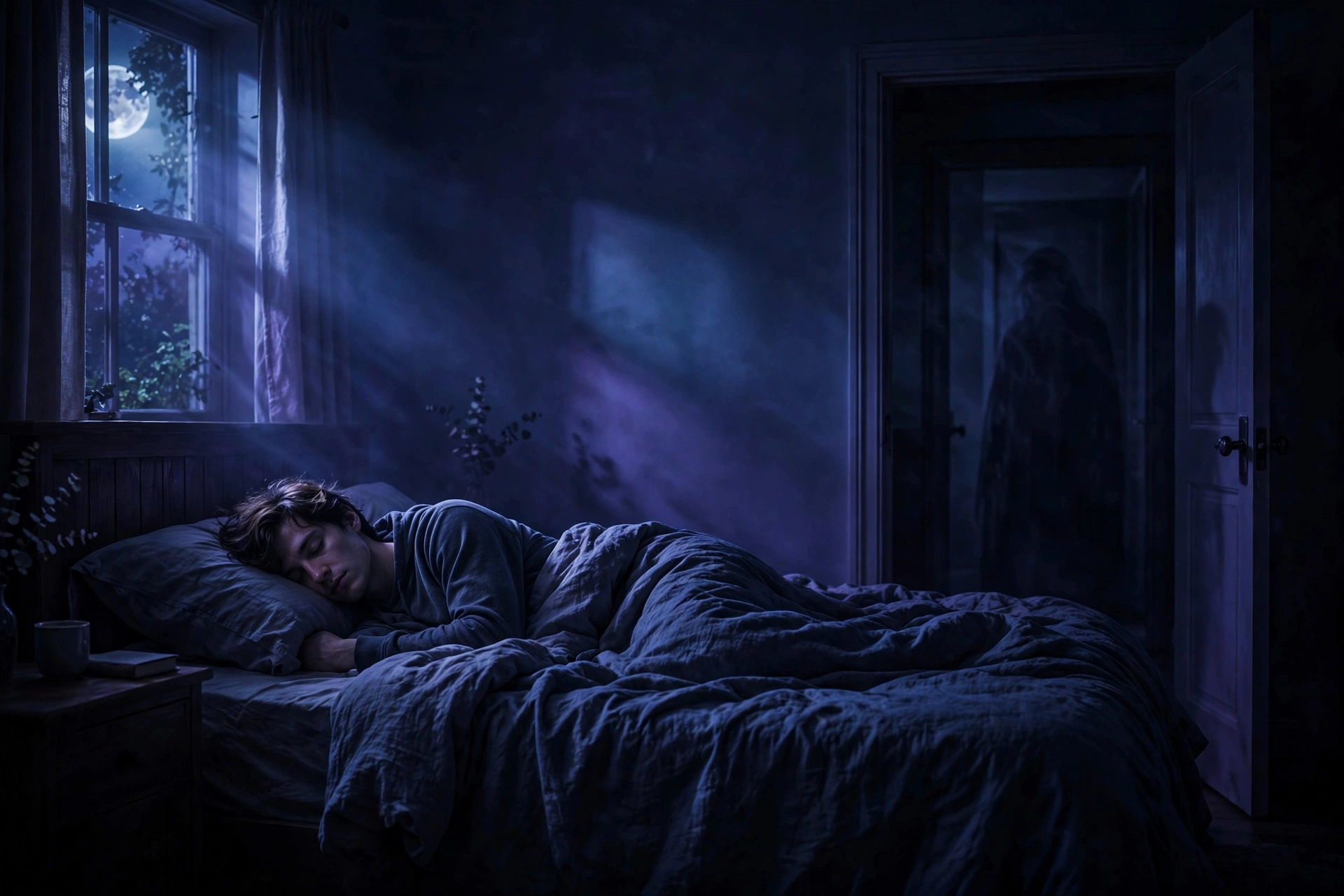
You drift toward sleep — and suddenly you’re certain someone is standing in the room, watching you. Your heart pounds. You open your eyes: nothing there. If this feeling watched while sleeping keeps happening, you’re not losing your mind, and you’re definitely not alone. This guide breaks down the symptoms, the medical explanations, the spiritual interpretations, and the practical fixes that actually help people sleep peacefully again.
Feeling Watched While Sleeping: Common Symptoms
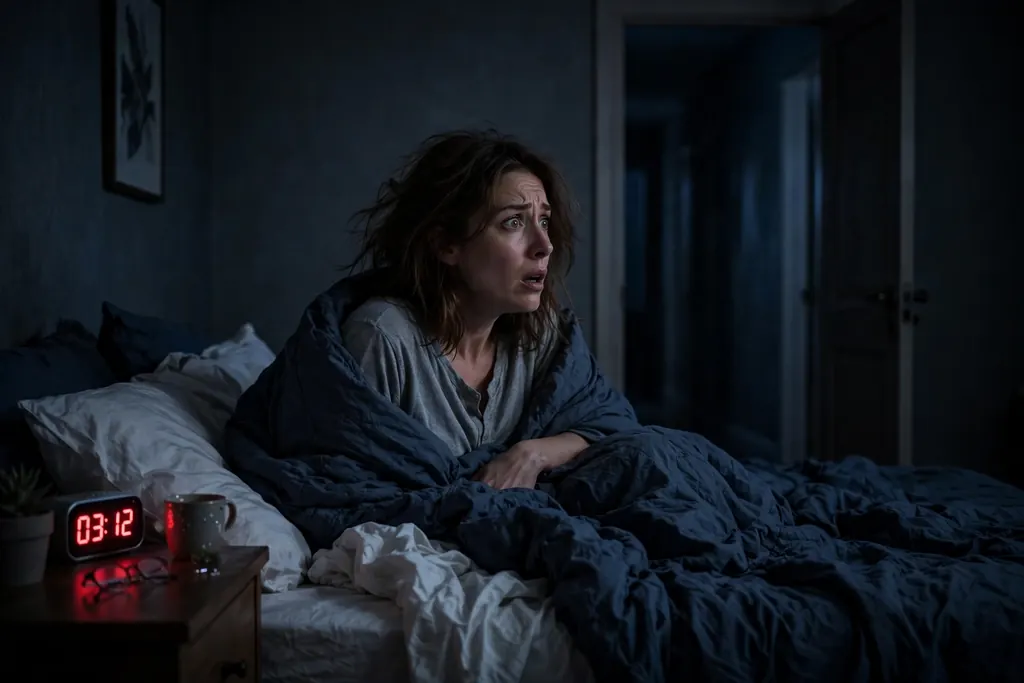
People describe this experience in remarkably similar terms. See how many match yours:
- A strong sense of a presence in the room, often near the bed or doorway — without seeing anything.
- Waking suddenly with your heart racing, convinced someone is there.
- Inability to move or speak for seconds while feeling watched (a hallmark of sleep paralysis).
- A feeling of pressure on the chest or as if something is sitting on the bed.
- Hearing faint sounds — breathing, footsteps, whispering — that stop when you’re fully awake.
- Reluctance to sleep with the lights fully off, or sleeping facing the door “just in case.”
- The feeling clusters in stressful periods and fades when life calms down.
If the experience includes being unable to move, it’s very likely sleep paralysis — a well-studied phenomenon where your mind wakes before your body does. It’s unsettling but not dangerous on its own.
Why Do I Feel Watched While Sleeping? Medical Causes
Start with the physical explanations, because they’re the most common and the most fixable:
- Sleep paralysis: During REM sleep your body is temporarily paralyzed. Waking mid-REM leaves you conscious but frozen — and the half-dreaming brain often invents a “presence” to explain the paralysis. Episodes last seconds to a few minutes.
- Anxiety and hypervigilance: A stressed nervous system stays on alert even in bed, scanning for threats. This is extremely common after breakups, job loss, moves, or trauma.
- Sleep deprivation: Irregular sleep dramatically increases both sleep paralysis and nighttime panic.
- Substances: Alcohol, late caffeine, and some medications fragment sleep and raise the odds of these episodes.
- Sleep apnea or night terrors: Less common, but worth ruling out if episodes are frequent.
When to see a doctor: episodes happening weekly, panic attacks, daytime exhaustion, or the fear starting to control your evenings. A sleep specialist can sort this out quickly — there’s no shame in it.
What Is the Spiritual Meaning of Feeling Watched at Night?

Spiritual traditions offer a parallel reading. Many teach that the veil between sleeping and waking is thin, making sleepers more sensitive to surrounding energy — residual emotions in a room, the “heaviness” after arguments, or simply the vulnerability of being unconscious. Folk belief in several cultures holds that bedrooms facing certain directions or cluttered with old objects collect stagnant energy that sensitive people pick up at night.
Here’s the grounded take: you don’t have to choose between the medical and the spiritual view. Millions of people find that clearing rituals calm their nervous system — and a calm nervous system sleeps better, whatever you believe is happening. The two explanations can coexist peacefully. What matters is that you feel safe in your own bedroom again.
How to Stop Feeling Watched in Your Bedroom: 8 Fixes That Work

These combine sleep science with traditional bedroom protection — start at the top and work down:
- Add a dim nightlight. Total darkness fuels the brain’s threat-scanning. A soft warm light is the single fastest fix for many people.
- Close closet doors and cover mirrors facing the bed. Open dark rectangles read as “doorways” to a half-asleep brain.
- Fix your sleep schedule. Same bedtime and wake time daily — irregular sleep is the top trigger of sleep paralysis.
- Cut late stimulants. No caffeine after early afternoon; ease off alcohol near bedtime.
- Do a bedroom reset ritual. Tidy the room, open windows in the daytime, and try a traditional clearing — salt cleansing or a water-and-salt test to check the room’s feel.
- Wind down properly. Screens off 30–60 minutes before bed; reading or calm music instead. A racing mind invents watchers.
- Sleep on your side. Sleep paralysis strikes most often when sleeping on the back — side-sleeping reduces episodes for many.
- Talk about it. Telling someone breaks the shame spiral. If fear persists for weeks, speak to a counselor or sleep specialist.
Sleep Paralysis vs Spiritual Presence: How to Tell the Difference

People ask this constantly, so here’s a direct comparison:
- Sleep paralysis: Can’t move or speak, pressure on chest, presence felt but rarely seen clearly, lasts seconds to ~2 minutes, ends abruptly, most common when falling asleep or waking, worse with poor sleep habits.
- Anxiety-driven feeling: Fully able to move, heart pounding, urge to check locks and corners, clusters during stressful life periods, eases with calming routines.
- What spiritual traditions describe: Recurring cold spots, objects feeling “off,” pets reacting to empty corners, the feeling persisting even in daylight and good health.
In practice, most cases are the first two — and both respond well to the fixes above. If you’ve addressed sleep and stress and the feeling still won’t lift, that’s when exploring the spiritual side (a proper space clearing, or guidance from a trusted practitioner) makes sense.
Related reading: why you keep waking up at 3 AM, cleansing a room with salt, and the water-and-salt energy test. The medical side of sleep paralysis is well documented here.
Feeling Watched While Sleeping: People Also Ask
Why do I feel like someone is watching me when I sleep?
The most common reasons are sleep paralysis (waking while the body is still in REM paralysis), anxiety-driven hypervigilance, or a bedroom environment that feels unsafe. Spiritual traditions interpret it as heightened sensitivity to surrounding energy at night. Fixing sleep habits resolves most cases.
Is it normal to feel a presence in your room at night?
Yes — it’s surprisingly common. Studies on sleep paralysis show a large share of sufferers report sensing an “intruder presence.” It’s a known quirk of the half-awake brain, not a sign of mental illness. Frequent episodes with panic are worth discussing with a doctor.
Can anxiety make you feel watched while sleeping?
Absolutely. Anxiety keeps the nervous system’s threat-detection switched on, so the brain interprets ordinary nighttime sensations — house settling, shadows, your own heartbeat — as someone being there. This pattern spikes during stressful life periods and fades as stress eases.
What does the Bible say about feeling watched at night?
Many readers find comfort in verses about divine protection during sleep, such as Psalm 4:8 (“In peace I will lie down and sleep”). Faith-based readers often pair prayer with practical steps like a nightlight and a calming bedtime routine.
Frequently Asked Questions
Q: Why do I feel watched while sleeping?
A: The most common causes are sleep paralysis, anxiety or hypervigilance, and a bedroom environment that feels unsafe (dark corners, open closets, mirrors facing the bed). Spiritual traditions also interpret it as a sensitive awareness of surrounding energy. If it happens often, rule out sleep disorders and anxiety first.
Q: Is feeling watched while sleeping a sign of sleep paralysis?
A: Often, yes. Sleep paralysis can include a strong sense of a presence in the room, pressure on the chest, and inability to move — usually lasting seconds to a couple of minutes. It is a recognized sleep phenomenon, not dangerous in itself, but frequent episodes deserve a doctor’s opinion.
Q: How do I stop feeling watched in my bedroom at night?
A: Make the room feel safe: a dim nightlight, closed closet doors, mirrors covered or turned away from the bed, and a consistent sleep schedule. Calming pre-sleep routines and salt or sage clearing rituals help many people. Persistent fear or panic warrants professional help.
This article presents traditional beliefs and folklore for informational purposes only, not as proven fact. If you experience persistent distress, please consult a qualified professional.