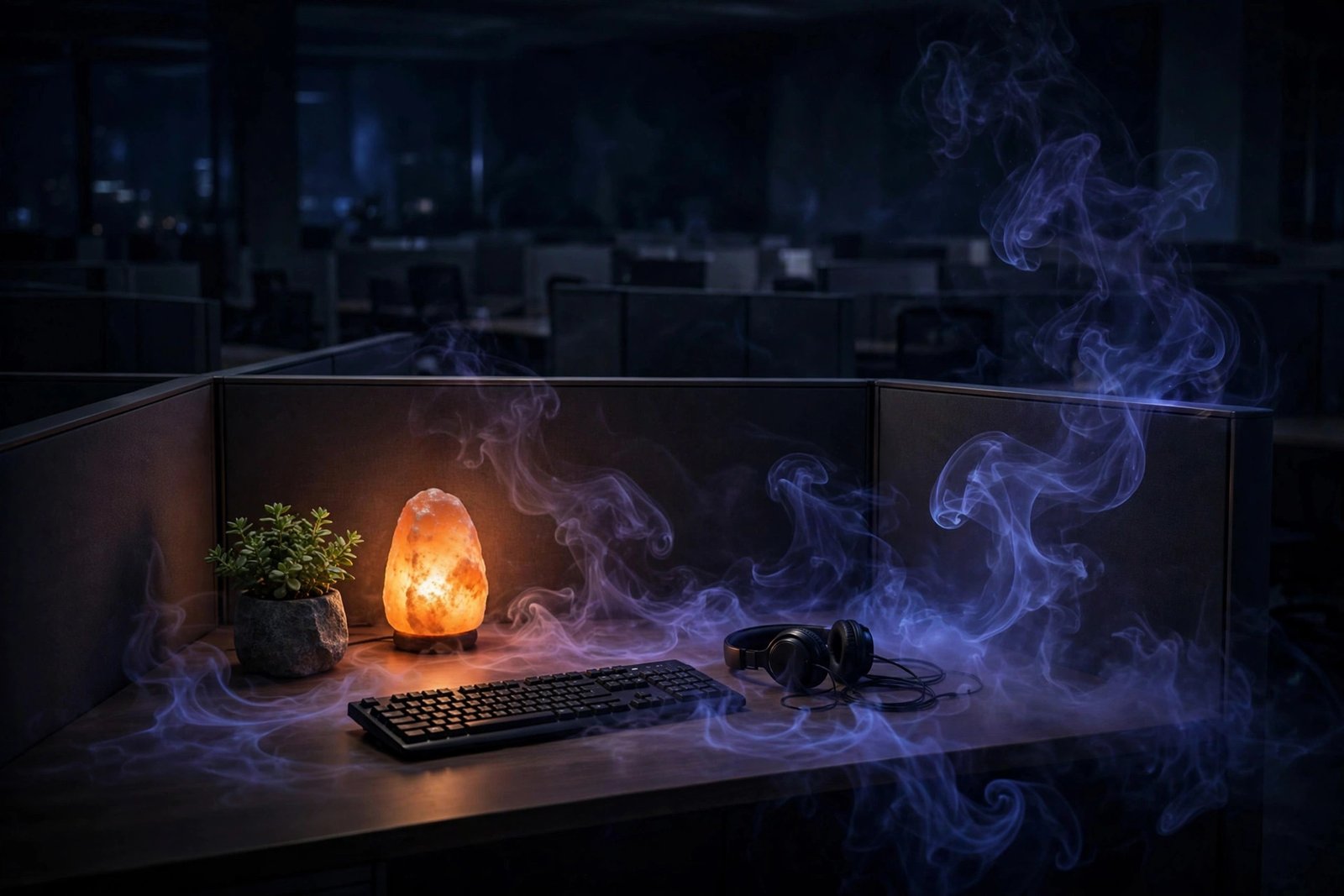
Monday morning. You walk into your cubicle — same gray walls, same monitor, same stack of papers — and something feels off. The air feels thick, and your shoulders tense before you’ve even sat down. If you’ve been searching for how to clear bad energy from office cubicle, you’re describing something office workers report all the time: a workspace that feels heavy or draining even though nothing visible changed.
Here’s the honest read: half of it is your environment, half is your nervous system. This guide gives you both — seven steps that work whether you see bad energy as spiritual residue or as stress, noise, and bad lighting. Every step has a quiet, office-friendly version.
What Does “Bad Energy” in an Office Cubicle Actually Mean?
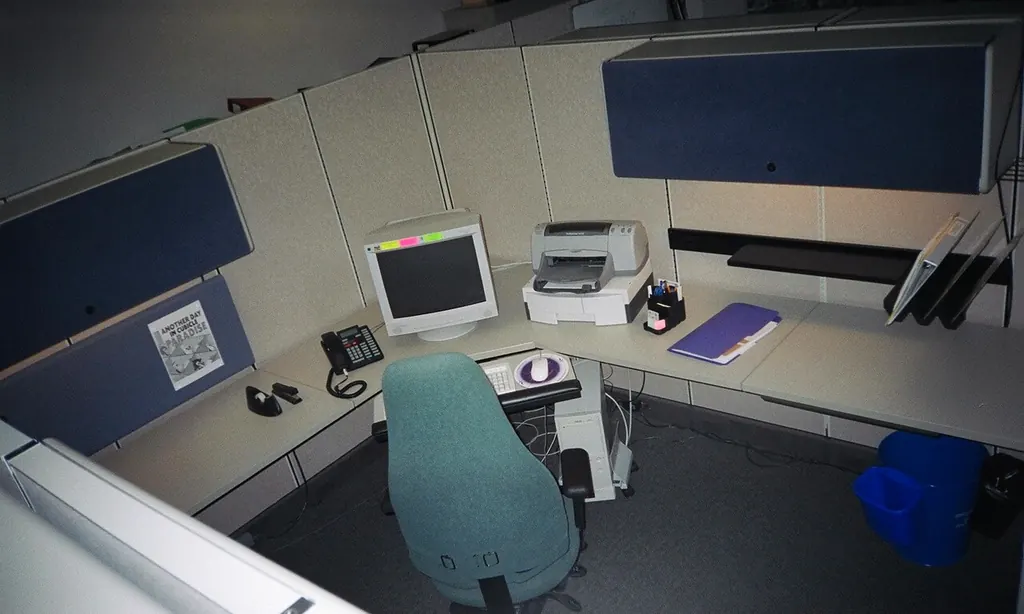
In folk and energy-work traditions, bad energy in a workspace means emotional residue that lingers — tension from arguments, frustration from bad weeks, the leftover mood of whoever sat there before you. Believers say open-office cubicles soak up more of it than most spaces.
You don’t have to pick between that and the ordinary explanation. Psychologists describe the same feeling as your nervous system reading a chaotic environment: flickering light, stale air, noise, clutter. Your brain processes it all as a threat signal, and “heavy” is the word your body reaches for. The steps below handle both readings.
Why Does Your Cubicle Feel Heavy or Draining?
Most heavy-feeling cubicles have two or three of these at work. Noise you can’t control keeps your stress response switched on — open offices average 50–65 decibels of chatter and printers. Bad lighting, especially flickering fluorescents, triggers headaches and that drained feeling. Stale air raises CO2, which directly causes drowsiness. Visual clutter raises cognitive load, and coworker tension is genuinely contagious.
The Mayo Clinic lists workplace pressures — impossible workloads, endless emails, urgent deadlines, a demanding boss — among the top stress triggers, and notes that changing your environment is the move that works when you can’t change the situation: Mayo Clinic’s stress relief guide.
How to Clear Bad Energy from Office Cubicle: 7 Steps

The whole routine takes about 20 minutes.
- Wipe down every surface. Desk, keyboard, phone, monitor — one disinfectant wipe. A genuinely clean surface changes how a space feels instantly, and you can’t cleanse a dirty room.
- Declutter for exactly 10 minutes. Set a timer. File or toss loose papers, remove dead pens and old mugs, clear one shelf. Believers call this “letting stuck energy move”; researchers call it lowering cognitive load.
- Place a small bowl of salt. Folk traditions across Asia, the Middle East, and Europe hold that salt absorbs heavy or stagnant energy. Small open bowl in a back corner on Monday, toss it Friday. No scientific proof — but the weekly reset ritual is psychologically powerful.
- Reset the sound. A small chime tapped once each morning is the traditional sound cleanse. The office-friendly version: noise-canceling headphones with brown noise for the first 30 minutes of your day.
- Add one living plant. A pothos, snake plant, or ZZ plant survives fluorescent light and neglect. Tradition says green things circulate fresh energy; practically, they give your eyes a restful focal point that reduces visual stress. One is enough.
- Fix the light. A small daylight-spectrum desk lamp, angled away from the harshest overhead tube, fixes more “bad energy” complaints than all the rituals combined.
- Anchor the space as yours. One personal object in view all day — a photo, a small stone. Folk practice calls it a “ward”; psychology calls it a control signal telling your brain this territory is yours.
If you work from a home office rather than a cubicle, much of this transfers — see how to clear negative energy from a home office desk setup and clearing negative energy from a computer desk.
How Do You Protect Your Cubicle from Coworkers’ Negative Energy?

This is the question people are really asking — because the “energy” usually has a name and sits two partitions away. The fix is boundaries, not salt. If a coworker unloads on you daily, try: “I want to help, but I’ve got a deadline breathing down my neck — can we pick this up at lunch?” Said consistently, it trains people to stop treating your cubicle as a therapy office. Headphones are the universal “do not disturb” sign, even with nothing playing.
If the coworker is genuinely hostile rather than just draining, that’s beyond energy work. Document specific incidents with dates and take it to your manager or HR — no cleansing ritual substitutes for a workplace complaint.
How to Clear Bad Energy from Office Cubicle Without Looking Weird
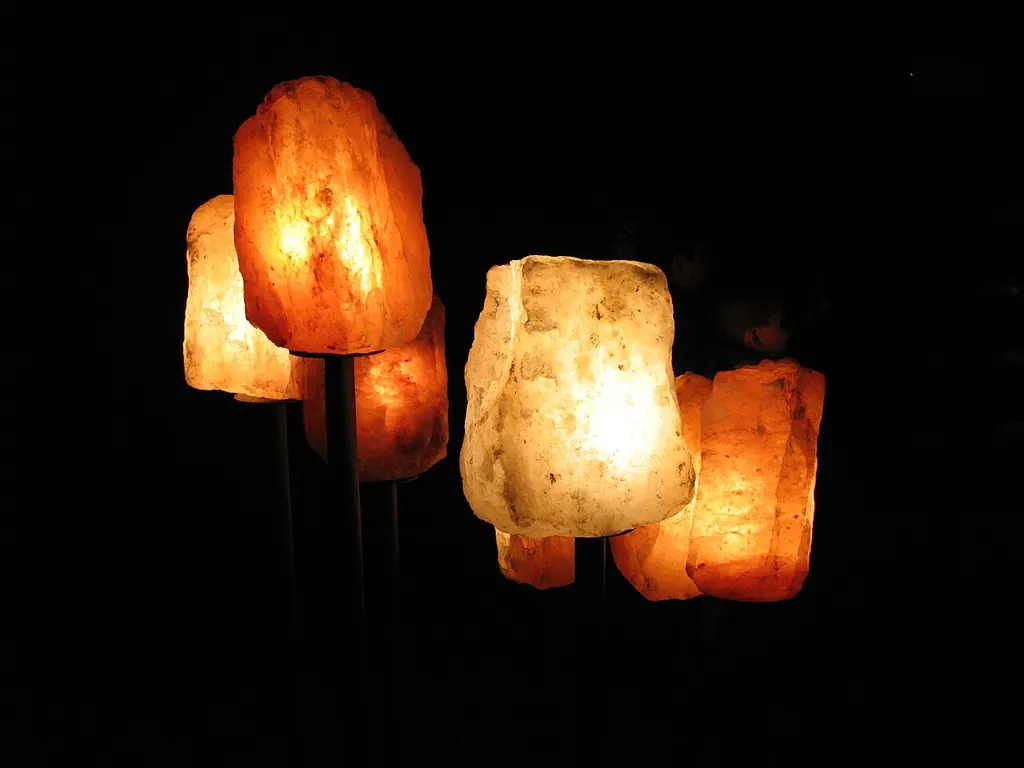
Every folk step has a stealth version. The salt bowl becomes a small dish of “potpourri.” The morning chime becomes tapping your pen against your mug once, mindfully, before work. A smoke cleanse — which would set off the fire alarm — becomes a citrus-scented desk wipe, since scent is the sense most tied to “this place feels different now.”
Most cubicle clearing is invisible anyway: wiping surfaces, clearing papers, adding a plant, adjusting a lamp, wearing headphones. Nobody needs to know your declutter is also an energy clearing. And if the heaviness follows you home too, check the signs your home feels energetically heavy — burnout makes every space feel wrong until you address the source.
People Also Ask
How do you get rid of negative energy in an office cubicle?
Start physical: wipe surfaces, declutter for 10 minutes, improve lighting, open airflow. Traditions add a weekly salt bowl, a morning chime, and one plant. Set boundaries with draining coworkers via headphones and polite time limits. Most cubicles improve once clutter, noise, and stale air are handled.
Can bad energy in your office cubicle affect your work?
Yes. Noise, bad lighting, stale air, clutter, and coworker tension raise stress and drain focus, which shows up as slower work and more mistakes. Fixing your environment improves how you feel and how you perform — whether you frame the problem as energy, ergonomics, or plain old stress.
What is the best plant for an office cubicle for positive energy?
A pothos, snake plant, or ZZ plant — all survive fluorescent light and irregular watering. Traditions favor rounded leaves for “soft” welcoming energy over spiky cacti. Any green plant gives your eyes a restful focal point during long screen sessions.
Is it bad feng shui to sit with your back to the door?
Feng shui calls it the least favorable position, saying it leaves you energetically exposed — and psychology agrees, since being startled from behind spikes stress. If you can’t move your desk, place a small mirror so you can see the entrance.
Frequently Asked Questions
How often should I reset my office cubicle?
A light reset once a week is plenty — a quick declutter, a surface wipe, and opening airflow. Do a deeper clear after stressful events like layoffs or conflicts with coworkers, since those are the moments a workspace tends to feel heaviest.
Does salt really absorb negative energy in a cubicle?
There is no scientific evidence that salt absorbs energy, but the practice is centuries old in folk traditions, where salt symbolizes purity and protection. Many people find the small weekly ritual of placing and discarding a salt bowl genuinely makes their cubicle feel lighter.
Can a messy cubicle make you feel drained?
Yes. Research on clutter and stress shows that visually chaotic spaces raise cognitive load and stress hormones, leaving you mentally exhausted by mid-afternoon. What people call bad energy in a cubicle is very often just this effect.
What if a coworker’s behavior is the real problem?
No cleansing ritual fixes a genuinely toxic coworker. Set boundaries: limit venting sessions, use headphones to signal unavailability, and keep interactions short. If the behavior crosses into harassment, document it and talk to your manager or HR.
This article presents traditional beliefs and folklore for informational purposes only, not as proven fact. If you experience persistent distress, please consult a qualified professional.