
Last updated: October 23, 2026 · By NegativeVibeFix · 11 min read
On the morning of June 30, 1908, a colossal explosion ripped through the sky above remote Siberia, flattening 80 million trees across 2,150 square kilometres of forest. The blast, estimated at 10–15 megatons of TNT, knocked people off their feet hundreds of kilometres away — yet it left no crater and no confirmed impact site. More than a century later, the Tunguska event remains the largest impact event in recorded history, and scientists are still debating exactly what exploded over the taiga that day.

What happened at Tunguska?
Around 7:14 AM local time on June 30, 1908, witnesses across central Siberia saw a brilliant fireball streak across the sky, followed by a blinding flash and a series of thunderous explosions. The shockwave registered on seismographs as far away as Western Europe, and for several nights afterward, skies across Europe and Asia glowed with an eerie brightness — bright enough in London to read a newspaper at midnight.
At ground zero, the destruction was absolute:
- Area flattened: ~2,150 km² (830 sq miles) of forest
- Trees felled: An estimated 80 million
- Energy released: 10–15 megatons of TNT (roughly 1,000 Hiroshima bombs)
- Crater: None found
- Human deaths: None confirmed
Eyewitness accounts
Few people lived near the blast zone, but those who did described an apocalyptic scene. S. Semenov, a farmer 65 km away, recalled: the sky split open, a fireball covered an enormous part of the sky, and the heat was so intense he thought his shirt was on fire. He was thrown several metres by the shockwave.
Evenki reindeer herders closer to the epicentre reported forests flattened, herds killed, and tents blown away. One herder, Chuchancha, was reportedly hurled into the air and knocked unconscious, later dying from his injuries — the only possible human fatality.
The scientific investigation
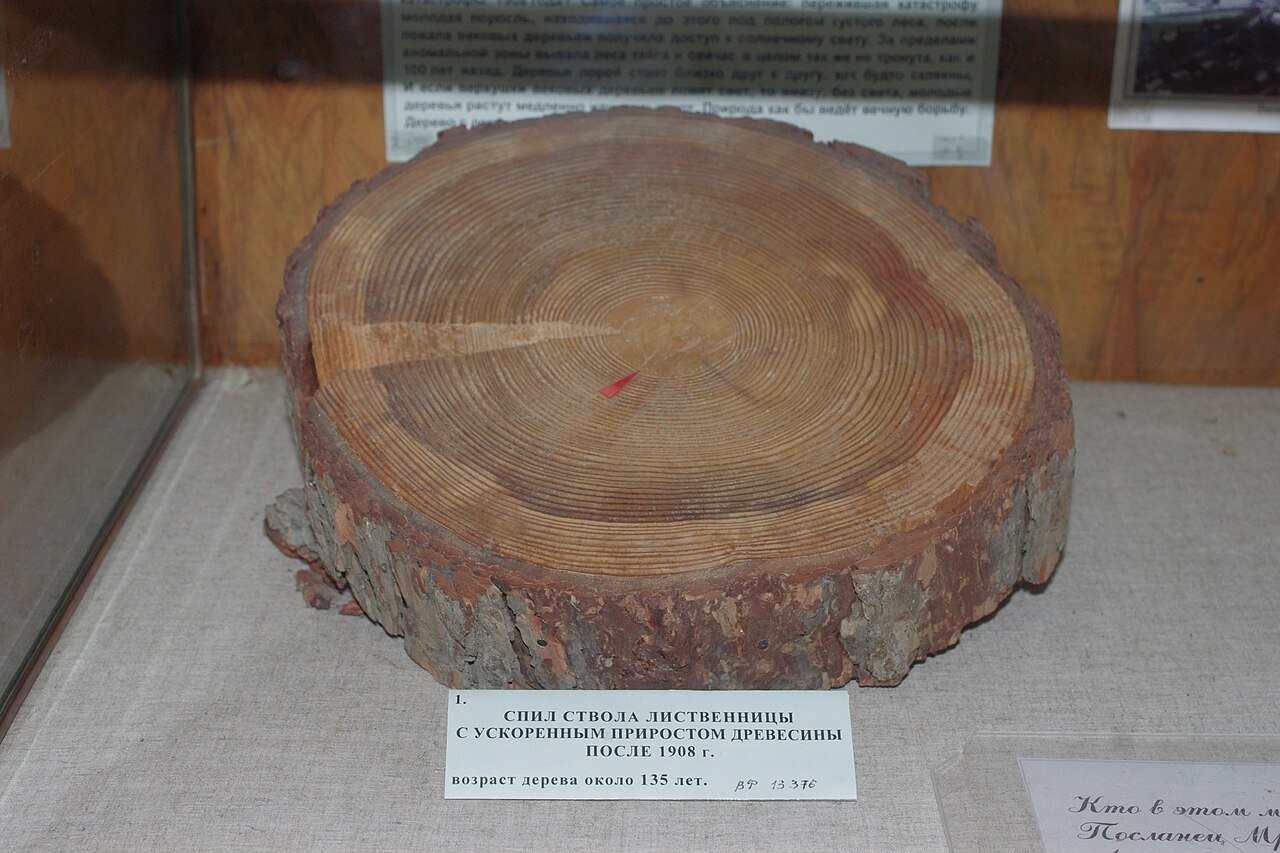
It took 19 years for the first scientific expedition to reach the site. In 1927, Soviet mineralogist Leonid Kulik led a team to the devastated region, expecting to find a meteorite crater. Instead, he found something stranger: millions of trees felled in a radial pattern, all pointing away from a central point — but no crater, no meteorite fragments.

Kulik’s photographs of the “telegraph forest” — upright, branch-stripped trunks at the epicentre surrounded by radially felled trees — became iconic. The pattern suggested an explosion in the atmosphere, not an impact on the ground.
What caused the Tunguska event?
The leading theory: asteroid airburst
The scientific consensus is that a stony asteroid roughly 50–60 metres across entered Earth’s atmosphere at tremendous speed and exploded 5–10 km above the surface. The intense heat and pressure vaporised the object completely, which is why no crater or large fragments were found.
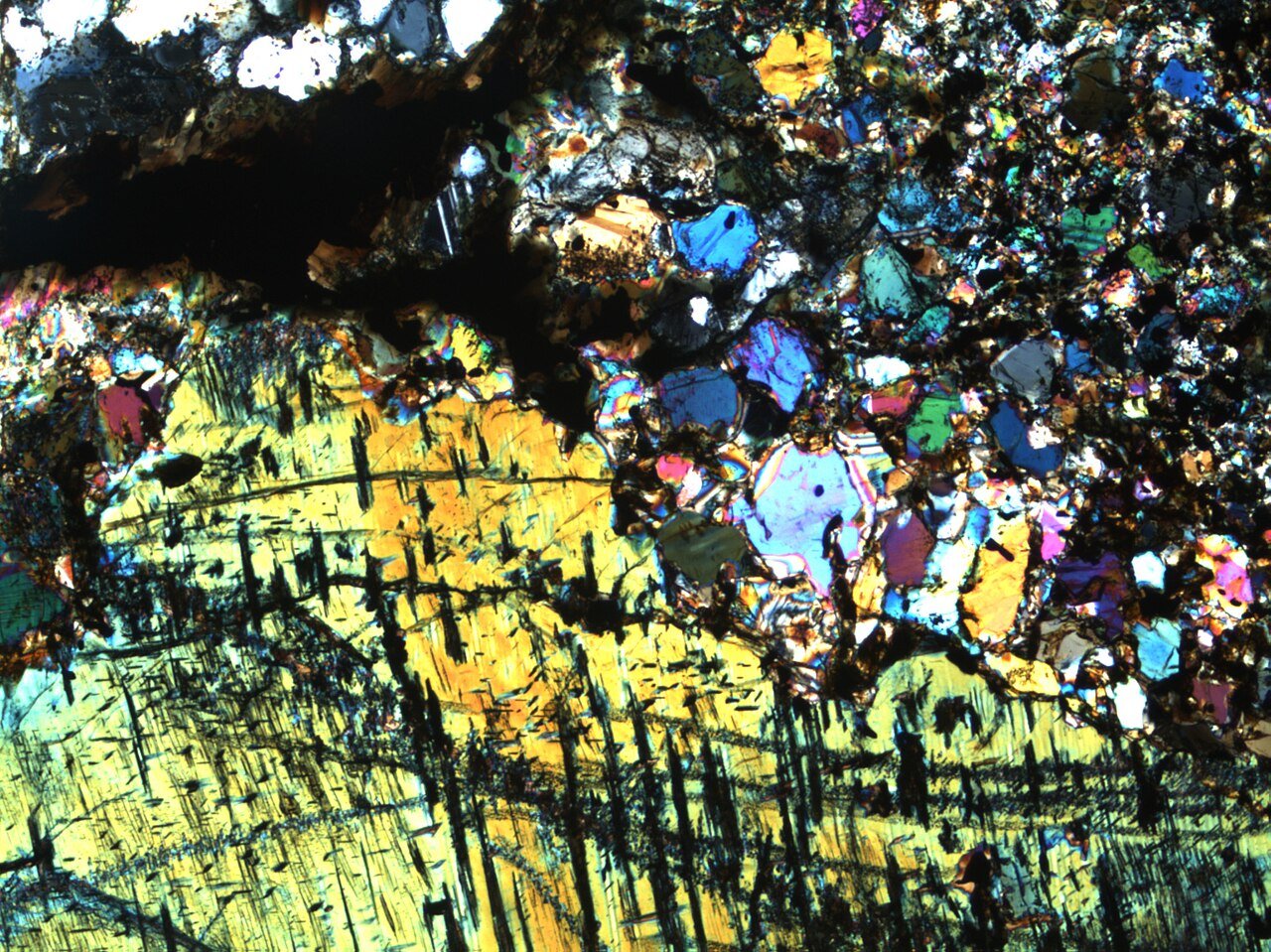
Supporting evidence includes microscopic silicate and magnetite spheres in the soil (consistent with vaporised meteorite), and a 2013 analysis of rock fragments suggesting a common origin with carbonaceous chondrite meteorites.
Alternative theories
| Theory | Claim | Status |
|---|---|---|
| Comet fragment | An icy comet nucleus exploded; ice explains the lack of rocky debris | Plausible; debated vs asteroid |
| Black hole | A miniature black hole passed through Earth | No evidence; largely discarded |
| Antimatter | Antimatter annihilation caused the blast | No supporting evidence |
| Alien spacecraft | A UFO exploded or was shot down | No evidence; popular myth |
| Tesla’s death ray | Nikola Tesla’s Wardenclyffe experiment caused it | Chronologically impossible; myth |
Could it happen again?
Yes — and it has, on a smaller scale. In 2013, a ~20-metre asteroid exploded over Chelyabinsk, Russia, injuring over 1,500 people (mostly from broken glass). A Tunguska-sized object strikes Earth roughly once every few hundred years.
Space agencies now track near-Earth objects. NASA’s Planetary Defense Coordination Office catalogues asteroids that could threaten Earth, and missions like DART (which successfully deflected an asteroid in 2022) demonstrate that we may one day be able to prevent such impacts.
Tunguska in culture
The mystery has inspired countless books, films, and games — from Ghostbusters references to the X-Files. In Russia, June 30 is observed as Asteroid Day events raise awareness of impact hazards.
Visiting Tunguska today
The site lies within the Tunguska Nature Reserve in Krasnoyarsk Krai, Russia. It’s extremely remote — reaching it requires special permits and expedition logistics. A few adventure tour operators offer guided trips for the determined.
Why it still matters
Tunguska was a cosmic near-miss. Had the object exploded over a city instead of empty taiga, it would have been the deadliest natural disaster in history. Understanding what happened — and how often — is essential for planetary defence.
Frequently Asked Questions
Where did the Tunguska event happen?
Over the Podkamennaya Tunguska River in remote Siberia, Russia — about 60 km from the nearest settlement of Vanavara.
Did anyone die in the Tunguska explosion?
No confirmed human deaths. One reindeer herder was reportedly thrown by the blast and later died, and hundreds of reindeer were killed.
Could a Tunguska-sized impact happen again?
Yes. Objects this size strike Earth every few hundred years on average. NASA and other agencies now track near-Earth objects to provide warning.
Sources & further reading
- Leonid Kulik expedition reports (1927–1930), Russian Academy of Sciences
- NASA Planetary Defense Coordination Office — Near-Earth Object observations
- Tunguska: The largest impact event in recorded history — review literature
Disclaimer: This article is for informational and entertainment purposes, based on published scientific research. Readers interested in planetary defence should consult space agency resources.